

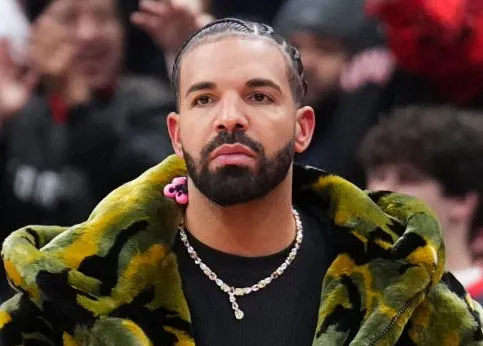
Drake just took another legal hit. A federal judge has officially dismissed his defamation lawsuit against Universal Music Group (UMG), ending—for now—one of hip-hop’s most talked-about legal showdowns of the year.
The case stemmed from Kendrick Lamar’s chart-topping diss track “Not Like Us,” which ignited an all-out cultural firestorm and dominated the summer. The song didn’t just spark debates about lyrical boundaries—it also forced the industry to confront a deeper question: when does artistic expression cross the line into defamation?
The Ruling
According to court documents obtained by The Pop Radar, Judge Jeannette A. Vargas ruled that Lamar’s controversial lyrics—particularly those implying Drake was a “certified pedophile”—were protected under the First Amendment. In her opinion, the judge described the statements as “rhetorical hyperbole” consistent with the artistic traditions of hip-hop, not literal accusations of fact.

“Within the context of hip-hop’s longstanding culture of lyrical sparring, no reasonable listener would interpret the lyrics as factual,” Judge Vargas wrote.
The court also determined that UMG, which distributed the track, could not be held liable for the song’s content, since it qualifies as creative expression under U.S. law.
The Case That Shook Rap
Drake first filed the suit earlier this year, accusing UMG of defamation and negligence for monetizing and distributing a track that he claimed damaged his reputation and endangered his safety. His legal team argued that the label should have stepped in to stop the release or limit its reach.

UMG countered that diss records—no matter how cutting—are part of rap’s cultural DNA. Attorneys for the company emphasized that such lyrics are exaggerated by design, meant to entertain and provoke rather than inform.
In siding with UMG, the judge effectively reaffirmed that hip-hop’s competitive spirit is protected speech.
Drake Plans to Appeal
Despite the setback, Drake isn’t backing down. A spokesperson for the rapper told HOT97,
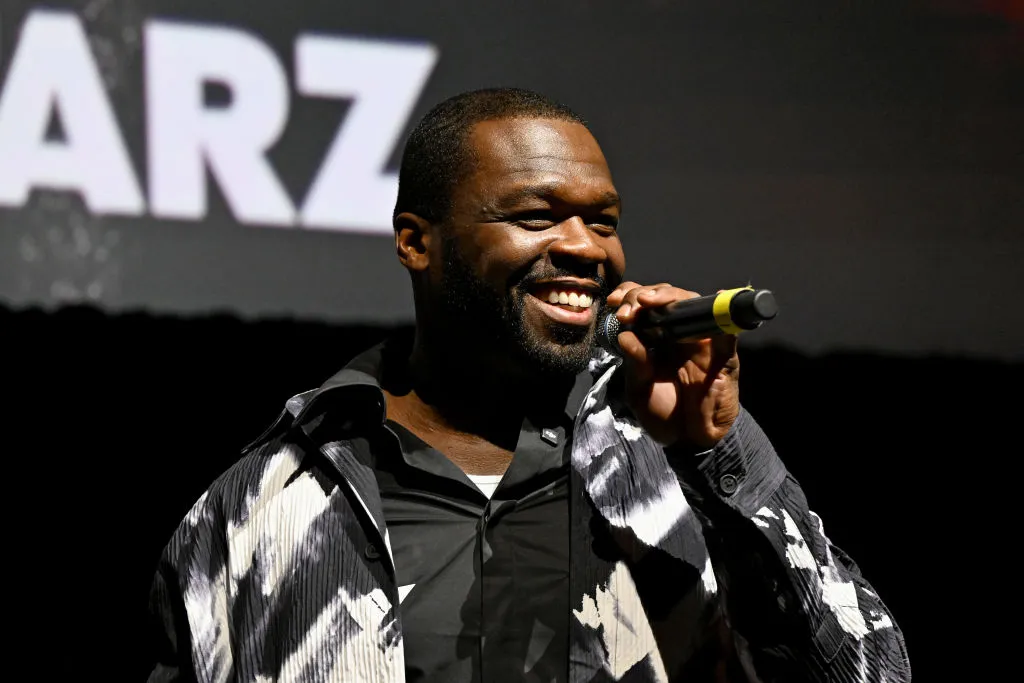
“We intend to appeal today’s ruling, and we look forward to the Court of Appeals reviewing it.”
The potential appeal could drag the legal battle into 2026 and test the boundaries of artistic freedom versus personal reputation in modern music.
A Culture Clash in Court
The “Not Like Us” saga has already become one of the defining moments in contemporary rap history. The track topped global charts and sparked heated discussions about authenticity, ego, and accountability in the digital age.
Now, the courtroom drama adds another layer to the conversation. For fans and artists alike, the case underscores how hip-hop continues to push legal, creative, and cultural boundaries.
If Drake’s team moves forward with an appeal, the outcome could set a new precedent—one that shapes how future rap beefs are handled both in the studio and in the courts.
For now, UMG walks away with a win. Kendrick walks away untouched. And Drake? He’s left deciding whether his next battle should play out in court… or on wax.
— The Pop Radar (TPR)