


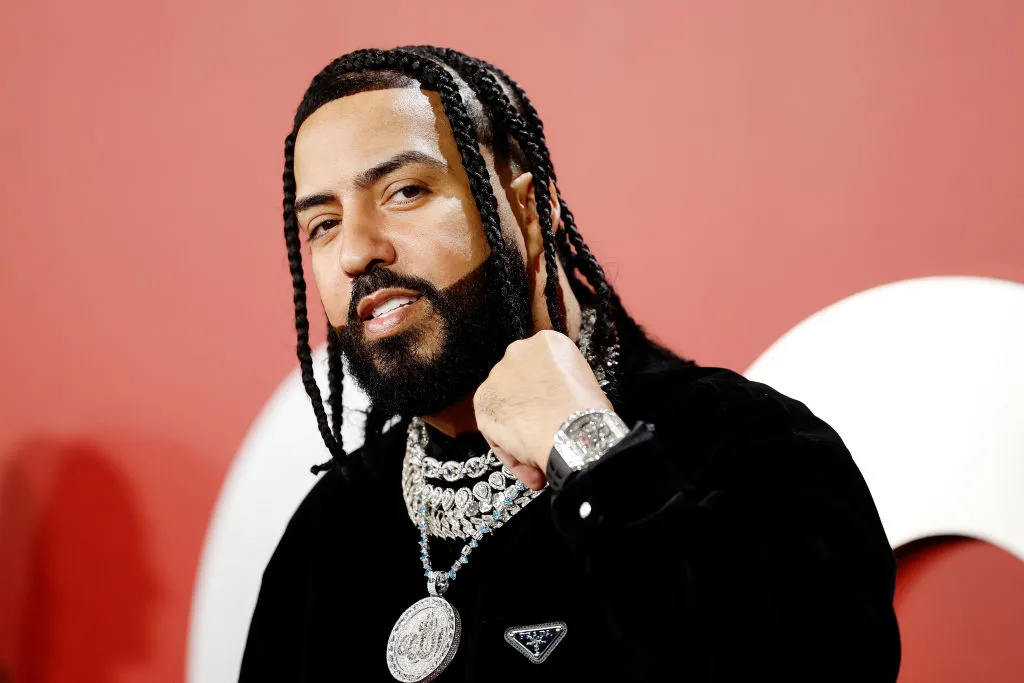
French Montana just scored a major legal victory, ending a years-long copyright battle over his 2013 hit, “Ain’t Worried About Nothin’.”
The lawsuit, filed by producer Eddie Lee Richardson (aka Hotwire The Producer), claimed that Montana had illegally sampled Richardson’s instrumental “Hood Pushin’ Weight.” The case drew significant attention from the music world, raising questions about music ownership, sampling, and artistic influence.
Court Rules in Montana’s Favor
On October 17, 2023, the U.S. Court of Appeals for the Seventh Circuit ruled in favor of Montana. Presiding Judge Candace Jackson-Akiwumi acknowledged that the tracks shared notable similarities but emphasized that auditory resemblance alone doesn’t constitute copyright infringement.
“We concur with Richardson that HPW’s beat appears indistinguishable from the beat in AWAN when listened to casually. However, unsupported opinions and allegations do not suffice,” Judge Jackson-Akiwumi wrote.
This decision follows an earlier ruling from a lower court, highlighting the complex nature of copyright law in music. As the judge noted, imitation may be “the sincerest form of flattery,” but legal protection requires concrete evidence of copying or sampling.
Why the Case Fell Apart
A critical factor in Richardson’s claim was the type of copyright he held. He registered a sound recording copyright, which covers the recording itself rather than the underlying musical composition. U.S. law requires that claims based on sound recordings must show direct copying or sampling — stylistic similarity is not enough.
Judge Jackson-Akiwumi clarified:
“Richardson could have provided either direct or circumstantial evidence to support his assertion that [Montana] copied HPW when creating AWAN. However, he has presented neither.”
Without evidence to substantiate the claim, the lawsuit was dismissed, marking a significant win for French Montana and a reminder of the legal standards surrounding music copyright disputes.

Montana’s Life Off the Legal Stage
While Richardson faces disappointment, Montana has been celebrating happier news on the personal front. Reports indicate that he is engaged to Sheikha Mahra, Princess of Dubai, ending months of speculation about the couple’s relationship.
With the legal matter resolved, Montana now turns his focus to his music, personal life, and upcoming projects, showing resilience in navigating both professional and emotional challenges.
What This Means for Artists and Producers
This ruling underscores the importance of evidence in copyright disputes. Legal experts note that:
- Auditory similarity is insufficient without proof of direct copying.
- Sound recording copyrights provide limited protection compared to musical composition copyrights.
- Artists must maintain clear documentation when using samples to avoid litigation.
For the music industry, the case reinforces the idea that creativity, influence, and inspiration can exist without crossing legal boundaries — as long as artists can demonstrate originality or proper licensing.
Takeaway
French Montana’s victory is a major affirmation for artists in the hip-hop and broader music community. With both legal and personal milestones in his corner, Montana demonstrates that persistence, focus, and creativity can thrive even amid challenges.
“Balancing your career, legal battles, and personal happiness isn’t easy, but Montana proves it’s possible,” one industry insider told TPR.
What do you think about French Montana’s copyright win? Could this set a precedent for other artists facing similar disputes? Comment your thoughts below and stay tuned for more music industry updates!