





If you’ve been keeping up with celebrity wellness trends, you know one thing for sure: what you eat shows. From Gwyneth Paltrow’s green smoothies to Chris Hemsworth’s protein-packed plates, the focus is on foods that pack the most nutrition per bite.
Experts call these nutrient-dense foods — ingredients that are rich in vitamins, minerals, protein, fiber, and healthy fats, but not heavy in empty calories. The goal? Eating foods that boost energy, support brain and heart health, and keep your body glowing from the inside out.
Here’s a list of the 12 most nutrient-dense foods you should consider adding to your meals — celebrity style.
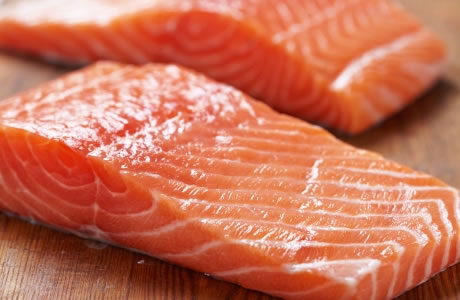
1️⃣ Salmon — The Omega-3 Superstar
Oily fish, such as salmon, is high in omega-3 fatty acids. These are essential nutrients, which means you can only get them from foods. Every cell in your body needs omega-3 fatty acids. They are necessary forTrusted Source the correct functioning of your:
- brain
- eyes
- heart
- blood vessels
- lungs
- immune system
- endocrine system
A 100-gram serving of wild Atlantic salmon contains about 2.2 grams (g)Trusted Source of omega-3s and 25.4 g of high quality animal protein. It also provides vitamins and minerals, including magnesium, potassium, selenium, and B vitamins.
Salmon tastes good and is fairly simple to prepare. It also tends to make you feel full with relatively few calories.
When buying fish, always check it comes from a sustainable source.
Oily fish like salmon is a go-to for brain, heart, and eye health. Rich in omega-3 fatty acids, it helps regulate everything from your immune system to your mood.
- Per 100g: 2.2g omega-3s, 25g protein, plus magnesium, potassium, selenium, and B vitamins
- Pro tip: Opt for wild, sustainably sourced salmon to avoid mercury and support oceans.
- Celebrity fave: Jennifer Aniston often includes salmon in her balanced diet.
2️⃣ Sardines — Tiny Fish, Big Benefits
Sardines are small, oily fish that you can eat whole, including the organs, bones, and other nutritious parts. They containTrusted Source a little of almost every nutrient your body needs.
Like other fatty fish, they’re also high in heart-healthy omega-3 fatty acids.
Plus, they’re low in mercury compared to larger fish.
Sardines might be small, but they’re mighty in nutrition. You can eat them whole — bones and all — giving you calcium, protein, and heart-healthy fats.
- Low in mercury compared to larger fish
- Contains almost every nutrient your body needs
- Easy to toss into salads, pasta, or toast
3️⃣ Kale — The Leafy Green Queen
Kale is a green, leafy vegetable rich in vitamins, minerals, fiber, antioxidants, and various bioactive compounds. Brassicas like kale and cabbage also containTrusted Source cancer-fighting compounds.
It provides vitamins C, A, K, and B6, potassium, calcium, magnesium, copper, and manganese. A one-cup serving has only 9 caloriesTrusted Source.
Kale isn’t just a salad trend; it’s a vitamin-packed powerhouse.
- Rich in vitamins A, C, K, B6, plus potassium, calcium, magnesium, and manganese
- Only 9 calories per cup, but loaded with fiber and antioxidants
- Brassicas like kale may help reduce cancer risk
4️⃣ Seaweed — Ocean Superfood
There are many types of seaweed and ways to use it in food. Nori, for instance, is used to wrap sushi.
Seaweed providesTrusted Source minerals such as calcium, iron, magnesium, and manganese.
It is also high in iodine, a mineral your body uses to make thyroid hormones.
Some test tube and animal studiesTrusted Source suggest that polysaccharides and other nutrients in seaweed may also have antioxidant properties. This means they could help protect against oxidative stress, which contributes to inflammation and other health issues.
From sushi rolls to soups, seaweed is a nutrient-dense secret from the sea.
- High in iodine, calcium, iron, magnesium, and manganese
- Polysaccharides may help fight inflammation
- Try nori, wakame, or kelp for variety
5️⃣ Garlic — Flavor and Function
Garlic is both tasty and healthy. It’s highly nutritious and contains bioactive compounds that have confirmed disease-fighting properties.
Garlic providesTrusted Source:
- vitamins C
- B1,
- B6
- calcium
- potassium
- copper
- manganese
- selenium
- allicin, a sulfur compound
While more research is needed, some evidenceTrusted Source suggests allicin and garlic may help reduce the risk of heart disease by:
- lowering blood pressure
- reducing total and LDL (bad) cholesterol
- raising HDL (good) cholesterol
A high intake of vegetables from the garlic family has also been linked to a lower riskTrusted Source of gastrointestinal cancer.

Garlic isn’t just for taste — it’s for heart and immune health.
- Packed with vitamins C, B1, B6, calcium, potassium, selenium, and the sulfur compound allicin
- May lower blood pressure and bad cholesterol while boosting good cholesterol
- Add fresh garlic to sauces, roasted veggies, or dressings
6️⃣ Shellfish — Tiny Protein Giants
Clams, oysters, scallops, and mussels are types of shellfish that can be highly nutritious. They’re very high in important nutrients like vitamin B12 and zinc.
Clams are a good sourceTrusted Source of B vitamins, particularly vitamin B12. They also provide vitamin C, potassium, selenium, and iron.
As with other fish, be sure to obtain sustainable and safe shellfish, as some seafood can contain mercury and other toxins.
Clams, oysters, scallops, and mussels are loaded with nutrients.
- Excellent sources of vitamin B12, zinc, selenium, and iron
- Supports energy, immune function, and metabolic health
- Always choose sustainable and toxin-tested shellfish
7️⃣ Potatoes — More Than Comfort Food
Potatoes are good sourcesTrusted Source of potassium, magnesium, iron, copper, and manganese. They also contain vitamin C and most B vitamins. If you eat them with their peels, they provide a good source of fiber.
A 2021 studyTrusted Source of data for adolescents in the United States found that those who eat potatoes are more likely to have higher levels of essential nutrients, such as B vitamins, fiber, protein, and a range of minerals, than those who don’t. However, there could be various reasons for this.
Potatoes are a high-satiety food and provide resistant starch, making them satisfying and filling. Some researchTrusted Source suggests they may be more filling than other high carb foods, such as rice or pasta. This can help people manage their weight, as they are less likely to snack after eating potatoes.
Potatoes aren’t just carbs — they’re packed with vitamins and minerals, especially when eaten with the skin.
- High in potassium, magnesium, iron, copper, and manganese
- Contain fiber and resistant starch for satiety and gut health
- Baked or roasted > fried for optimal nutrition
8️⃣ Liver — Nutrient Powerhouse
One function of the liver is to store important nutrients for the rest of the body. As a food, this makes animal liver highly nutritious.
A 3.5-ounceTrusted Source (100-gram) portion of beef liver contains significant amounts of:
- vitamin B12
- vitamin B5, vitamin B6, niacin, and folate
- vitamin B2
- vitamin A
- copper
- iron, phosphorus, zinc, and selenium
- high quality animal protein
Eating liver once per week is a good way to ensure that you get optimal amounts of these vital nutrients.
Animal liver may not be trendy on Instagram, but it’s nutritionally elite.
- 100g beef liver: B12, B5, B6, niacin, folate, vitamin A, copper, iron, protein
- Eat once a week for optimal nutrient boost
- Best prepared lightly to preserve vitamins
9️⃣ Berries — Antioxidant-Rich Gems
Many berries provide an excellent source of antioxidants.
Blueberries, for instance, contain anthocyanins and other polyphenols. Some researchTrusted Source suggests these compounds can cross the blood-brain barrier and have a neuroprotective function.
The possible health effects of blueberries include:
- improvementsTrusted Source in thinking and mood
- enhancing endothelial function, essential for healthy blood flow, such as in this studyTrusted Source of postmenopausal people with low estrogen and high blood pressure
- inhibitTrusted Source the growth of cancer cells
However, more research is needed to confirm these findings.
Berries like blueberries, strawberries, and raspberries are brain and heart boosters.
- Contain anthocyanins and polyphenols that may support memory and mood
- Research hints at cancer-fighting and blood flow benefits
- Add to smoothies, oatmeal, or snacks for an antioxidant punch
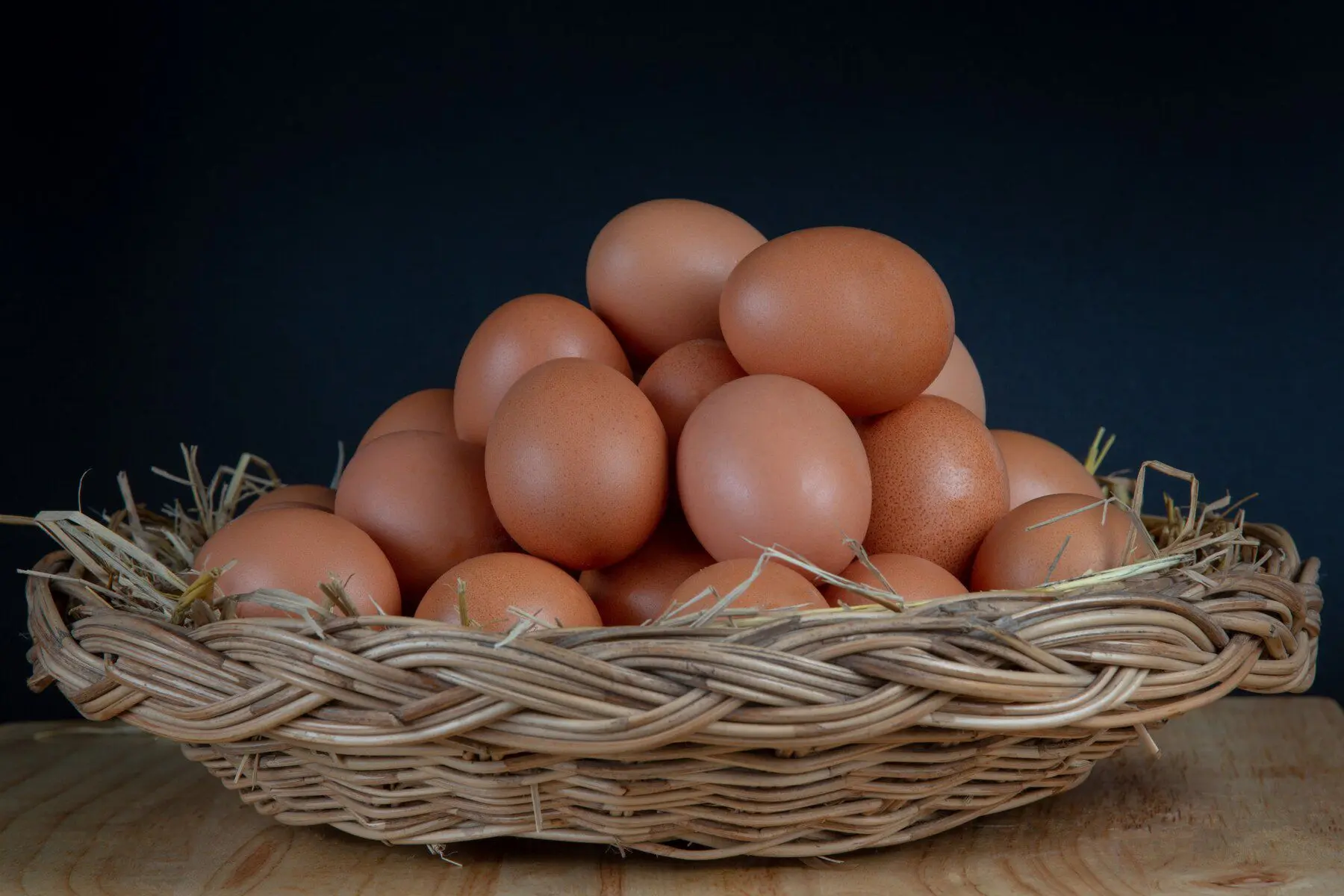
🔟 Eggs — Nature’s Multivitamin
Whole eggs are so nutritious that they’re sometimes called “nature’s multivitamin.” The yolk contains most of the nutrients.
Eggs provideTrusted Source high quality protein and healthy fats and are a satisfying food. Their high satiety value means you are less likely to be hungry soon after eating. Because of this, eating eggs for breakfast may helpTrusted Source with weight loss.
Egg yolks contain vitamins, minerals, and various powerful nutrients, including choline. They’re also high in lutein and zeaxanthin, antioxidants that can protect your eyesTrusted Source and reduce your risk of eye diseases like cataracts and macular degeneration.
They are also cheap, flavorful, and easy to prepare.
Eggs are more than breakfast staples; they’re one of the most complete foods.
- Rich in protein, healthy fats, choline, lutein, and zeaxanthin
- May help with weight management and eye health
- Versatile: scrambled, boiled, baked, or in creative recipes
1️⃣1️⃣ Bitter Melon — Exotic Health Boost
Momordica charantia, also known as bitter melon or bitter gourd, is a cucumber-shaped vegetable with antioxidant properties.

It is commonly grown across parts of Asia, South America, and Africa and has long beenTrusted Source a traditional medicine or medicinal food in some regions.
Research suggests the nutrients it contains may:
- help manageTrusted Source blood sugar levels in people with diabetes
- protect the brain and improve memory in people with Alzheimer’s disease
- haveTrusted Source anticancer properties
One 130-g cupTrusted Source of cooked bitter melon contains 53 calories and also provides:
- fiber
- calcium
- magnesium
- potassium
- B vitamins
- vitamins K, C, and A
You can try it in the following recipes:
Read more about the possible benefits of bitter melon for people with diabetes.
Bitter melon may be less known, but it’s a traditional medicinal food in Asia, South America, and Africa.
- Supports blood sugar management and brain health
- Provides fiber, calcium, magnesium, potassium, and vitamins K, C, A
- Try stir-fries, scrambled with eggs, or traditional namul
1️⃣2️⃣ Dark Chocolate & Cocoa — Sweet Nutrition
Cocoa powder containsTrusted Source iron, magnesium, copper, manganese, and antioxidants. A cup of cocoa with milk but no added sugar can make a nutritious treat.
Some studies have suggested that eating dark chocolate with a 70 to 85%Trusted Source cocoa content may reduce the risk of high blood pressure, high cholesterol, and heart disease.
However, the nutrients you can get from eating a reasonable amount of chocolate are unlikely to have significant health benefits.
The American Heart AssociationTrusted Source recommends eating a little chocolate for enjoyment but not necessarily for its health benefits.
Yes, chocolate counts — when it’s dark and minimally processed.
- 70–85% cocoa: iron, magnesium, copper, manganese, antioxidants
- May help reduce blood pressure and heart disease risk
- Enjoy in moderation; think a square or two per day
💡 The Takeaway
No single food can give you all your nutrients — but adding these 12 superstars to your diet can give your meals a massive health boost.
- Focus on whole, minimally processed foods
- Mix vegetables, fruits, proteins, and healthy fats
- Variety is key: rotating these nutrient-dense foods keeps your body and taste buds happy
Which of these nutrient-packed foods are you adding to your next grocery haul? Snap your plate and tag us on Instagram @thepopradar!