


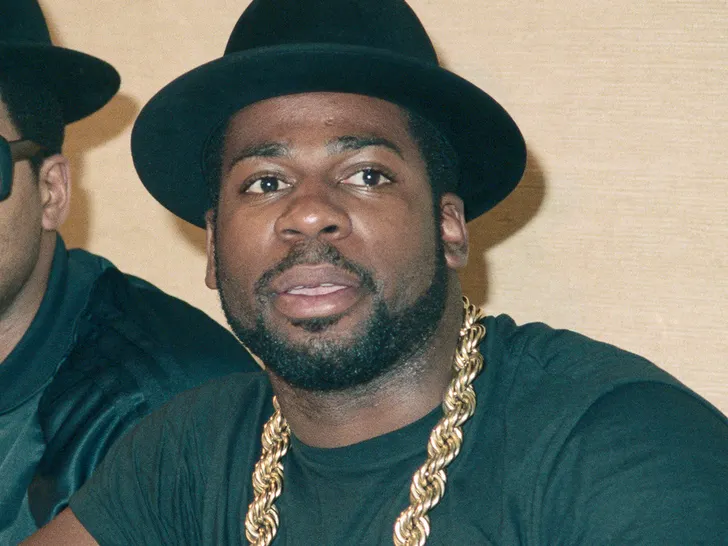
After more than two decades of mystery, the case surrounding the murder of Run-DMC legend Jam Master Jay has taken another major turn—and this time, it comes with a guilty plea.
Federal prosecutors say one of the men linked to the 2002 killing has now admitted his role in the shocking crime that stunned the hip-hop world.
And just like that, one of music’s longest-running murder mysteries is inching closer to closure.
But the details behind the confession are as chilling as ever…
According to the U.S. Department of Justice, Jay Bryant pleaded guilty in federal court in Brooklyn on Monday, acknowledging his involvement in the deadly shooting of Jam Master Jay inside a Queens recording studio.
Prosecutors say Bryant’s role was critical—though not the one that pulled the trigger.
Instead, he is accused of helping the killers gain access to the studio on the night of October 30, 2002.
That moment, authorities say, set everything in motion.

The case revolves around an attack inside JMJ’s 24/7 Studio in Queens, New York.
According to investigators, Bryant allegedly entered the building first and unlocked a fire escape door, allowing two co-defendants—Karl Jordan Jr. and Ronald Washington—to slip inside undetected.
Once inside, prosecutors say the situation escalated rapidly.
Washington allegedly held a victim at gunpoint while Jordan approached Jam Master Jay and fired two fatal shots at close range.
Another person in the studio was also shot but survived the attack.
Jam Master Jay was pronounced dead at the scene.
What’s reigniting public attention now is the sheer length of time it took for justice to reach this point—nearly 24 years after the killing.
Federal officials say the investigation never stopped.

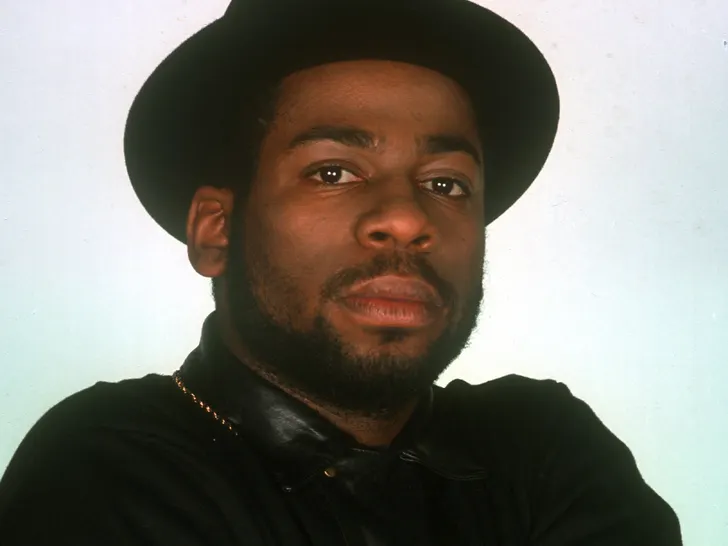
U.S. Attorney Joseph Nocella emphasized that law enforcement “never gives up,” no matter how long it takes to solve a case.
That message has resonated widely across hip-hop communities still haunted by the loss of the iconic DJ and producer.
Because for many fans, this case has always felt unfinished.
Online reactions have been emotional and reflective, with fans revisiting the legacy of Jam Master Jay and the impact he had on hip-hop culture.
Many are expressing frustration that justice took so long, while others are relieved that progress is finally being made.
Some users are also pointing out how many long-standing music industry mysteries remain unresolved, fueling renewed interest in cold case investigations tied to hip-hop history.
One widely shared sentiment:
“It took too long—but at least it’s not forgotten.”
Beyond the courtroom developments lies the legacy of a pioneer.

Jam Master Jay wasn’t just a DJ—he was a foundational figure in hip-hop as a member of Run-DMC, helping shape the sound and culture of an entire generation.
His death in 2002 sent shockwaves through the music world, leaving fans, friends, and family searching for answers that seemed to take forever to arrive.
For those closest to him, each legal breakthrough represents both progress and painful reminder of what was lost.
Legal experts note that guilty pleas in long-running federal cases often signal strengthened prosecutorial momentum and cooperation within investigations.
Bryant is expected to be sentenced to between 15 and 20 years in prison, according to court filings.
He had previously pleaded guilty to unrelated narcotics and firearms charges in 2023, further tying him to ongoing federal investigations.
Authorities believe his testimony and plea could help solidify the remaining aspects of the case against the other defendants.
The most striking detail remains the motive prosecutors have outlined for the killing.
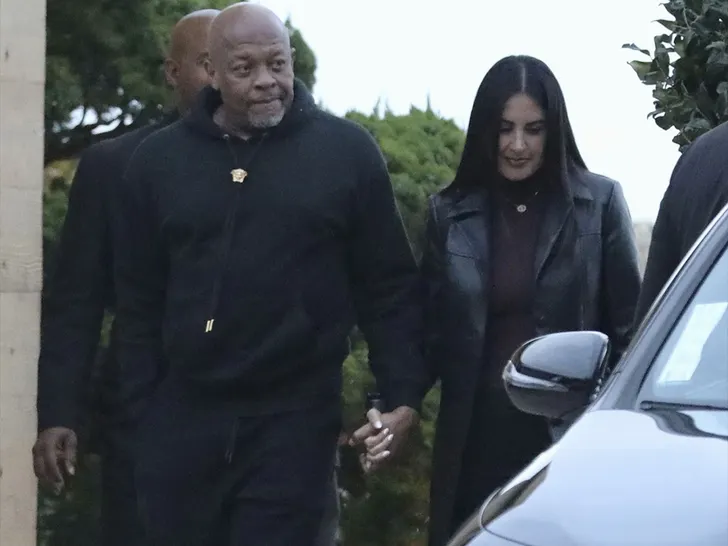
Authorities allege the murder stemmed from a drug-related dispute involving a large cocaine transaction that went wrong.
According to the DOJ, Jam Master Jay had been involved in arranging deals outside of his music career—but tensions escalated after Jordan and Washington were allegedly cut out of a significant transaction.
That fallout, prosecutors say, ultimately led to the deadly confrontation inside the studio.
With another guilty plea now on record, one of hip-hop’s most painful cold cases is finally moving toward resolution.
But even as legal answers continue to emerge, the loss of Jam Master Jay remains deeply felt across the culture he helped build.
And after nearly a quarter-century of questions…
Justice is finally starting to catch up to the past.
