


Young Thug has never shied away from controversy — and his new album Uy Scuti proves it.
The project, which dropped on September 26, is already fueling heated discussions thanks to its cover art showing Thug portrayed as a white man and its opening track, “Ninja.”
But it’s not just the visuals that have fans and critics debating. The song closes with Thug repeating the n-word — not with the familiar colloquial “-a,” but with the historically loaded “-er.”
That choice has turned the track into one of the most polarizing hip-hop moments of the year.
Ebro Weighs In
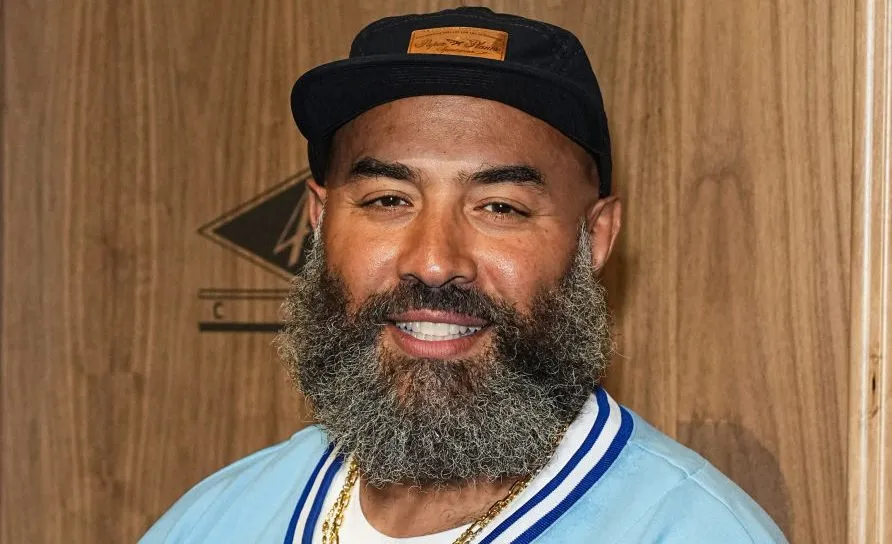
Veteran radio host Ebro Darden wasted no time responding to the controversy.
Taking to X (formerly Twitter), the Hot 97 personality wrote:
“With the ‘er’ …. ya’ll letting the yts sing that part?”
The sharp comment immediately went viral, striking at one of hip-hop’s most complicated cultural flashpoints: Who gets to say the n-word, and under what circumstances?
Why the “-er” Hits Different
Hip-hop fans know there’s a world of difference between the casual “-a” ending — often reclaimed within Black communities as a term of kinship — and the harsh “-er,” historically wielded as a slur of hatred and dehumanization.
By deliberately using the latter, Young Thug forces his listeners — especially non-Black fans — to grapple with uncomfortable questions:
- Should white fans be allowed to rap along if the artist himself uses the “-er”?
- Does art excuse or neutralize the pain embedded in that word?
- Or is Thug using the track as a mirror to expose cultural blind spots?
Ebro’s tweet distilled the tension perfectly, asking whether predominantly white audiences, who make up a massive chunk of rap’s streaming and concert economy, will simply chant the hook without thinking twice.
Hip-Hop, Race, and the Global Stage
This isn’t the first time hip-hop has wrestled with this issue.
From Kendrick Lamar stopping a white fan mid-performance in 2018 after she rapped the n-word, to endless debates online about cultural appropriation, the genre’s global reach constantly raises tough questions.
Hip-hop is now the most consumed genre in the world, and its fans span every race and nationality. That reach has amplified both its influence and its vulnerabilities — including the casual misuse of language born out of racial trauma.
Ebro’s post tapped into that reality, challenging not just Young Thug’s artistic choices but the industry’s role in how audiences consume music without context.
Young Thug’s History of Pushing Boundaries
Young Thug has built his reputation on provocation and reinvention.
- He’s blurred gender norms through fashion, famously rocking dresses and skirts on magazine covers.
- His vocal style — part rap, part croon, part raw scream — has redefined Southern trap.
- He’s consistently tested cultural boundaries, often daring fans and critics to reimagine what rap can look and sound like.
With Uy Scuti, Thug appears to be extending that rebellion into even more volatile territory: race and identity.
The album’s provocative pairing of a whitewashed cover image and the abrasive “er” repetition isn’t accidental. It’s a statement. Whether it’s satire, provocation, or both — it demands a reaction.
Fans React Online
Unsurprisingly, social media lit up with mixed responses:
- “Ebro is right. How do y’all plan to sing this in the club?”
- “Thug knows exactly what he’s doing. He wants to make people uncomfortable.”
- “It’s art. If you’re offended, maybe you’re the problem.”
- “Nah, this ain’t it. The -er is never cool. Period.”
The polarized reactions show just how divided audiences are over the meaning — and limits — of artistic expression in hip-hop.
The Bigger Conversation
At its core, Ebro’s comment wasn’t just about a single track. It was about hip-hop’s fragile cultural boundaries in an era where the music belongs to the world, but its origins remain rooted in Black struggle.
When Young Thug leans into that tension by deliberately using the hardest form of the n-word, he’s not just making music — he’s creating a litmus test.
Will white audiences respect the word’s weight, or will they casually rap it at the next festival?
That’s the uncomfortable question now facing fans, DJs, and the industry at large.
Final Thoughts
Young Thug’s Uy Scuti may be his boldest and most divisive work yet. By blending provocative imagery with one of America’s most painful words, he has forced the culture to confront itself in ways few artists dare.
And thanks to Ebro Darden’s viral tweet, the conversation is unavoidable.
What do you think: Is Young Thug sparking an important conversation, or did he take it too far? Drop your thoughts below!
