



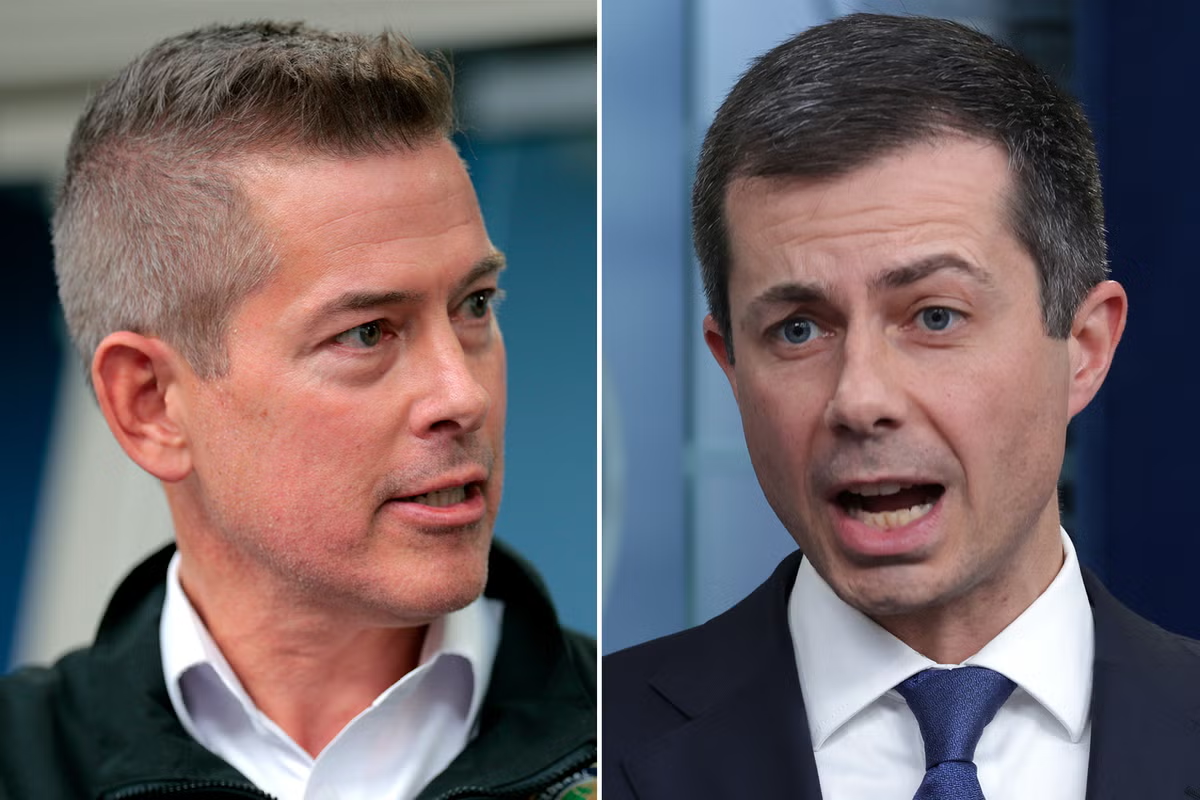
Former Congressman Sean Duffy is taking aim at former Transportation Secretary Pete Buttigieg, claiming the Biden-era administration is responsible for the growing shortage of qualified air traffic controllers.
Speaking on the Pod Force One podcast, Duffy alleged that Buttigieg “lowered the requirements” for controllers to be considered “well-qualified,” reducing the Air Traffic Skills Assessment (ATSA) passing threshold from 85% to 80%.

“It may seem small on paper, but it has a huge ripple effect,” Duffy said. “Now, the academy is losing 30% of students who just can’t keep up with the work.”
Buttigieg Pushes Back
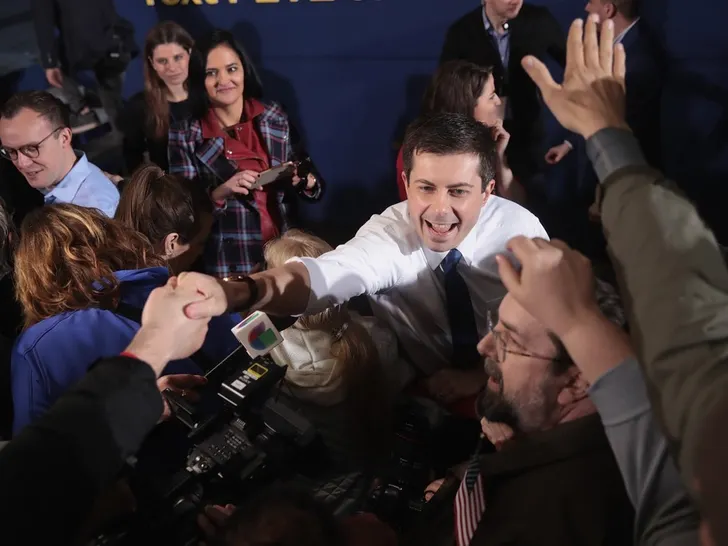
A spokesperson for Pete Buttigieg quickly dismissed Duffy’s claims as “nonsense that has no basis in fact,” telling TMZ:

“Instead of doing his job, Sean Duffy continues his obsession with Pete by spewing nonsense … and the New York Post continues to give that nonsense a boost.”
The DoT’s team also emphasized there is no public record indicating a change in the “well-qualified” threshold, and if Duffy had proof, it would presumably be provided.

FAA Graduation Rates Have Been Declining
While Duffy blames Buttigieg for an uptick in academy dropouts, experts point to broader trends. A National Academies of Sciences, Engineering, and Medicine report earlier this year showed that FAA ATC academy graduation rates have steadily declined:
- 2010: 93% of enrollees graduated
- 2019: 79% of enrollees graduated
- 2024: 75% of enrollees graduated
Industry insiders note that limited academy spots, stressful job demands, and relatively low starting pay may also contribute to the decline.

Air Traffic Controllers Under the Spotlight
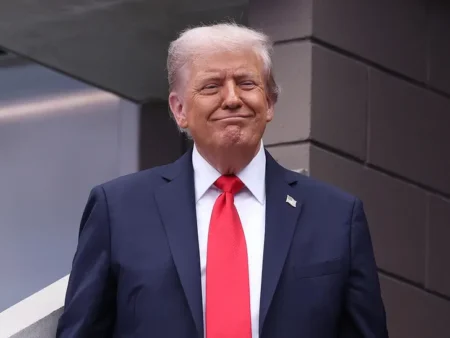
Air traffic controllers became a national conversation following the tragic January helicopter-passenger jet collision, which claimed 67 lives. In the aftermath, former President Donald Trump blamed DEI-focused hiring practices, while Buttigieg countered, citing structural personnel changes that occurred during the Trump administration.
This latest feud underscores the ongoing debate over who is responsible for the FAA’s staffing struggles and highlights the high stakes of air traffic safety in the United States.
What Comes Next?
With allegations flying between former and current administration officials, the discussion over air traffic control qualifications and staffing shortages is far from settled. Analysts and lawmakers continue to evaluate systemic challenges at the FAA, while Buttigieg’s team maintains that the claims are unfounded.
Stay tuned to The Pop Radar for updates on this political showdown and how it may impact U.S. aviation safety policies.