


The “Biggest Loser” caffeine controversy just got heated, thanks to some vintage receipts obtained exclusively by TMZ.
According to the documents, contestants’ grocery lists were packed with caffeinated items — including Organic Dark Roast, Starbucks grounds, and various teas.
The list, attached to an email from a show line producer, was sent to trainers and staffers back in 2013, detailing “approved foods” for contestants.

This revelation directly challenges claims by Dr. Robert Huizenga, who previously insisted that the show was 100% caffeine-free from day one, with coffee, diuretics, and weight-loss supplements strictly off-limits.
Jillian Michaels Strikes Back
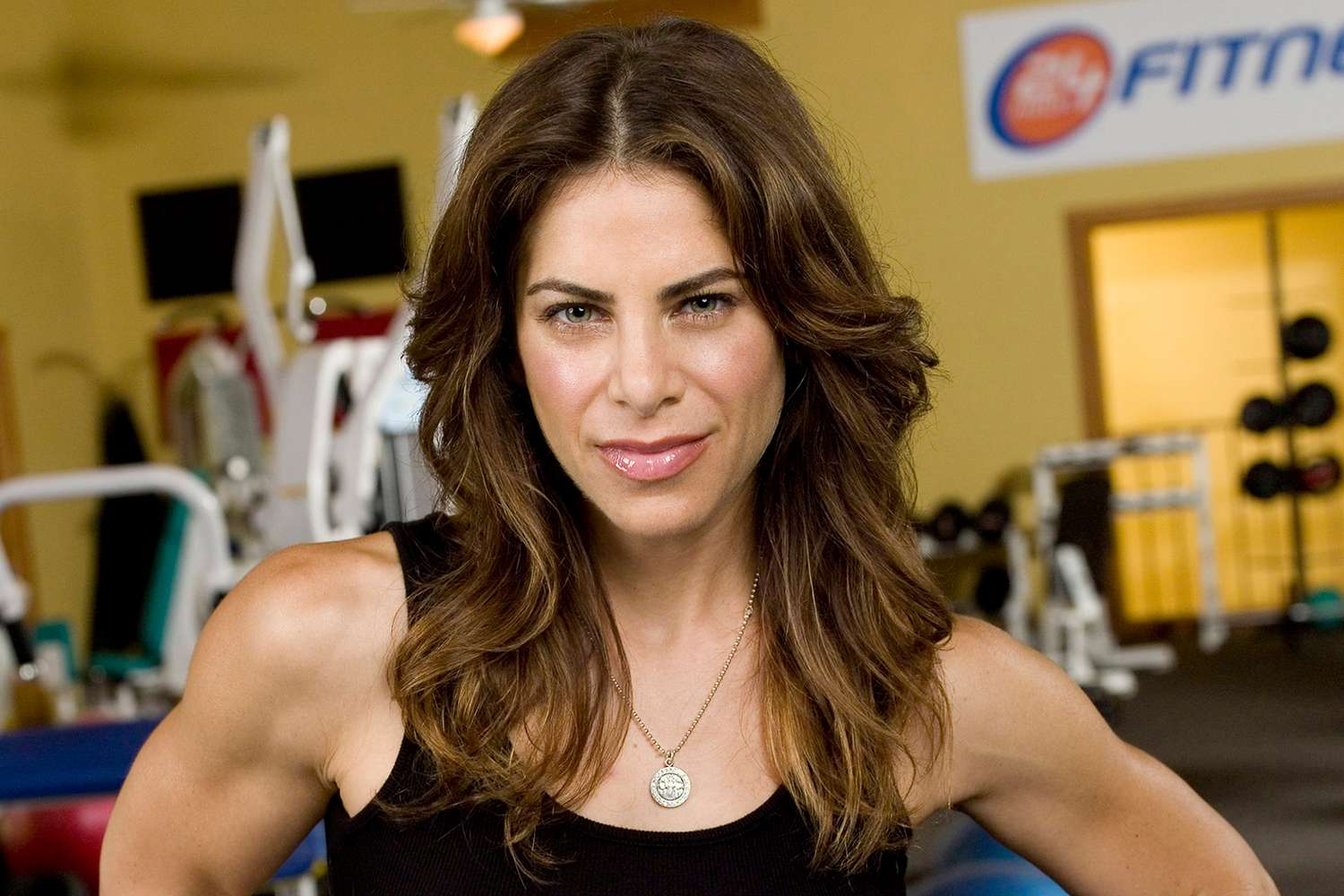
The receipts are a big win for Jillian Michaels, who’s been vocal about the Netflix “Biggest Loser” documentary, arguing the show never actually banned caffeine.
Michaels even circulated emails backing up her claim, insisting she’s been transparent about the policy all along.
Her comments have reignited the debate over the show’s alleged contradictions, putting Dr. Huizenga back on the defensive.

Dr. Huizenga Fires Back
Not one to stay silent, Dr. Huizenga responded by accusing Michaels of secretly promoting her own supplements during filming.
“I shut that down myself,” he said, adding that she even had to apologize on-air.
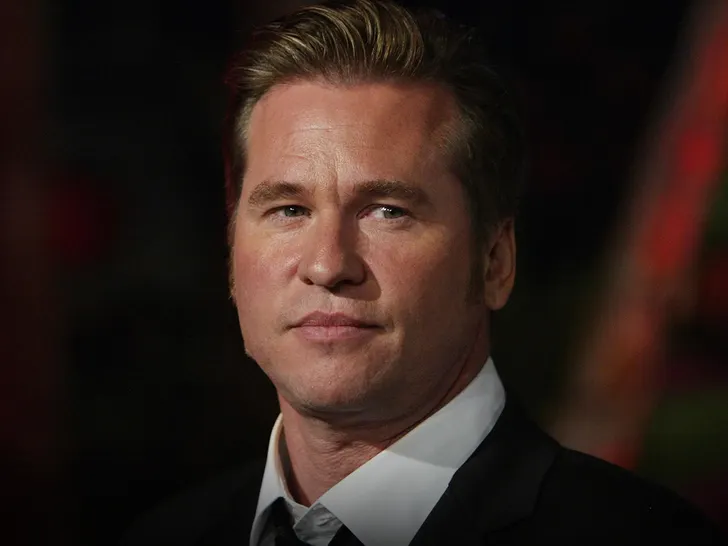
With the newly revealed grocery receipts, however, Michaels’ argument gains traction — showing that caffeinated drinks were technically allowed, or at least present, for contestants.
The Caffeine Debate Continues
Fans of the show now have a clearer picture of what really went down behind the scenes. Between emails, receipts, and interviews, the feud underscores the tension between trendy fitness rules and reality-TV practices.
- Coffee, tea, and caffeinated items clearly made it onto grocery lists.
- Trainers and staffers had official documentation to guide contestants’ diets.
- Michaels’ critique of the Netflix documentary now has tangible evidence.
Why This Matters
The controversy isn’t just about caffeine — it’s about credibility, control, and behind-the-scenes decision-making on reality TV. Michaels’ case highlights how producers and staff may have bent the rules, while Huizenga’s rebuttal shows how quickly on-screen narratives can conflict with real-life practices.

Fans are split: some back Michaels’ transparency, others defend Huizenga’s authority.
🔥 What do you think — was “Biggest Loser” truly caffeine-free, or was the show bending its own rules? Drop your thoughts in the comments!
👉 Stay tuned to The Pop Radar (TPR) for more reality TV revelations, celebrity drama, and exclusive behind-the-scenes scoops.