
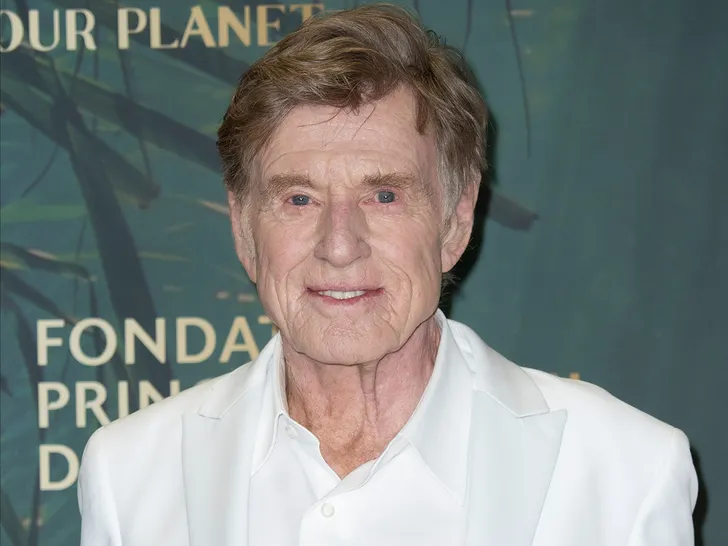
Hollywood mourns the loss of Robert Redford, the Oscar-winning actor, director, and founder of the Sundance Film Festival, who passed away Tuesday morning at his home in Sundance, Utah. According to his representative, Cindi Berger, Redford was surrounded by loved ones in the place he cherished most. The cause of death has not been disclosed.
“Robert passed away Tuesday morning at his home in Sundance, Utah,” Berger said. “He was surrounded by the people he loved in the place he loved.”
Legendary Career on the Big Screen
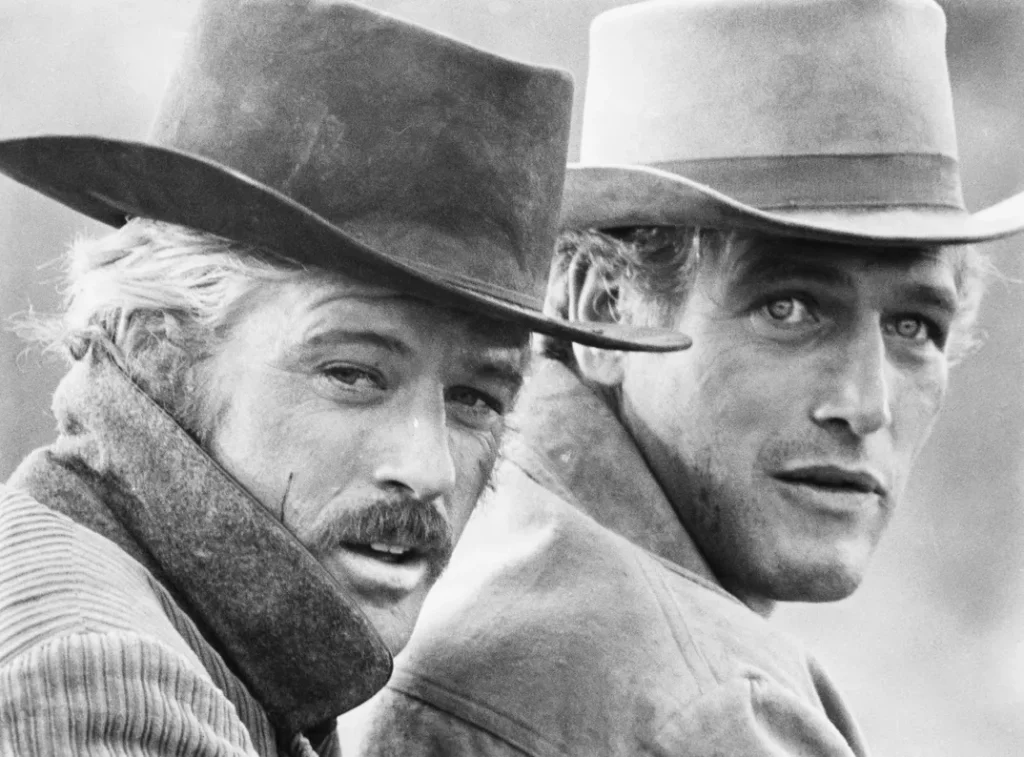
Redford’s decades-long career cemented him as one of Hollywood’s most enduring and versatile performers. From his breakout role in 1969’s Butch Cassidy and the Sundance Kid to his gripping performance in 1973’s The Sting, Redford consistently captivated audiences. He delivered unforgettable roles in classics like 1975’s Three Days of the Condor, 1976’s All the President’s Men, and 1984’s The Natural.
He shared the screen with Hollywood royalty, including:
- Jane Fonda in Barefoot in the Park (1967)
- Barbra Streisand in The Way We Were (1973)
- Meryl Streep in Out of Africa (1985)
Redford’s charm, charisma, and natural presence made him one of Hollywood’s most beloved leading men.
Transition to Director and Oscar Recognition
In 1980, Redford transitioned behind the camera with his directorial debut, Ordinary People, which won critical acclaim and commercial success. The film earned him the Oscar for Best Director, solidifying his reputation not only as an actor but as a visionary filmmaker.
He later received a Lifetime Achievement Honorary Oscar in 2002, celebrating his enduring contributions to cinema.
Sundance Film Festival and Championing Indie Film
Beyond Hollywood, Redford’s influence extended to nurturing independent filmmakers. In 1981, he founded the Sundance Institute, a nonprofit organization dedicated to supporting independent cinema. By 1984, he revitalized the Park City Film Festival, transforming it into what is now known as the Sundance Film Festival, the premier stage for indie filmmakers around the world.
Redford, however, remained critical of the festival’s massive commercialization. In 2012, he reportedly expressed discomfort with its evolution into a mainstream Hollywood event, emphasizing his original mission to spotlight emerging voices in film.

“I don’t like how commercial it’s become,” he said, reflecting his dedication to authenticity in storytelling.
Presidential Recognition and Cultural Impact
Redford’s contributions to American culture were formally recognized in 2016, when President Barack Obama awarded him the Presidential Medal of Freedom, the nation’s highest civilian honor. The award celebrated his achievements in film, activism, and philanthropy.
Tributes Pour In from Hollywood
News of Redford’s passing has sparked an outpouring of tributes from actors, directors, and fans alike. Actor Colin Farrell paid his respects during a segment on the TODAY show, highlighting Redford’s immense impact on generations of performers and filmmakers.
Social media has been flooded with clips and photos from Redford’s most iconic roles, as fans and peers reflect on his legacy as both a Hollywood legend and a champion of independent film.
A Life Well Lived
Robert Redford leaves behind a legacy that transcends Hollywood. From his unforgettable performances on screen to his tireless support of independent filmmaking, his influence will be felt for decades to come.
“He lived life on his own terms, pushed boundaries, and inspired countless artists along the way,” a colleague said.
Redford’s career was marked not just by awards and accolades but by a passion for storytelling, a dedication to his craft, and a vision that forever changed American cinema.
What’s your favorite Robert Redford film or moment? Share your memories in the comments below and stay tuned for more tributes to this Hollywood legend.