


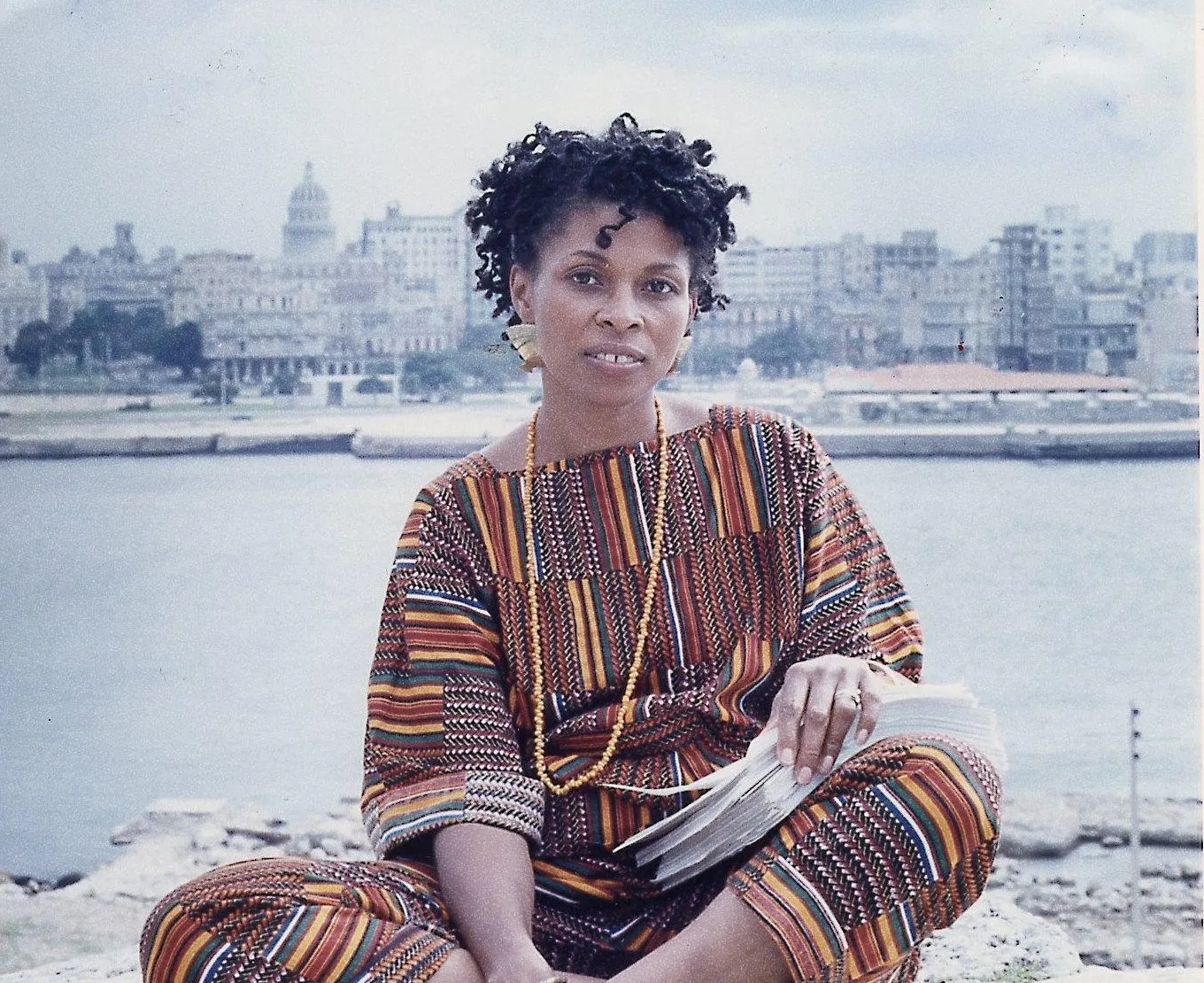
Assata Shakur, a figure who inspired admiration and controversy for over five decades, has died in Havana, Cuba. She was 78.
Her daughter confirmed the news in a heartfelt Facebook post, writing that her mother “took her last earthly breath” on Thursday afternoon. “Words cannot describe the depth of loss that I am feeling at this time,” she added.
Cuban officials also confirmed her death, citing complications related to her health and advanced age.
From Black Liberation to Global Notoriety
Born Joanne Chesimard in Queens, New York, in 1947, Assata Shakur rose to prominence during the turbulent 1970s as a member of the Black Liberation Army (BLA) — a radical group that splintered from the Black Panther Party.

Her name became infamous after a violent confrontation on the New Jersey Turnpike in May 1973. A traffic stop escalated into gunfire between state troopers and BLA members, leaving Trooper Werner Foerster dead and Shakur seriously wounded.
She was convicted of murder in 1977, along with a string of related charges, and sentenced to life in prison.
The Great Escape
Just two years later, in 1979, Shakur’s story took a dramatic turn. With the help of armed allies from the BLA, she escaped from prison, sparking a nationwide manhunt.
She eventually found refuge in Cuba, where then-leader Fidel Castro granted her political asylum. There, she lived in exile for more than four decades — and it is where her extraordinary, controversial life came to an end.

A Symbol and a Fugitive
To U.S. authorities, Shakur was a convicted murderer who evaded justice. In 2013, she became the first woman ever placed on the FBI’s Most Wanted Terrorists list, with a $2 million reward for her capture.
But to many activists, scholars, and artists, she became a global symbol of resistance, survival, and defiance against racism and oppression.
Her writings — particularly her 1987 autobiography Assata — are still widely read, especially among younger generations drawn to her critiques of systemic injustice and her insistence on Black liberation.

Tupac’s Godmother
Shakur’s influence extended into hip-hop and pop culture, thanks in part to her family ties. She was the godmother of late rap legend Tupac Shakur, who often spoke of her resilience and revolutionary spirit.
Even after decades in Cuba, her name remained woven into hip-hop’s DNA, cited in lyrics, referenced in activist circles, and debated in academic spaces.
Divided Legacy
For law enforcement, Shakur’s life represents unfinished business — a convicted killer who eluded U.S. justice and lived comfortably abroad.
For her supporters, however, she embodied resistance against a system stacked against Black activists during the civil rights and Black Power eras.
Her death will almost certainly reignite the long-running debate over whether Shakur was a terrorist or a freedom fighter.

Tributes and Reactions
While official tributes are still emerging, social media has already erupted with reactions. Many activists praised her as a fearless woman who never wavered in her convictions, while critics reminded the world of the life she took on that New Jersey highway.
One user wrote on X: “Assata Shakur lived and died standing for something bigger than herself. Whether you agree with her or not, her impact is undeniable.”
Another countered: “Never forget: a state trooper lost his life. Justice was never served.”
The Bottom Line
Assata Shakur’s death closes the final chapter in a story that has spanned half a century of rebellion, exile, and cultural impact.
She remains one of the most polarizing figures in American history — a woman celebrated as a revolutionary and condemned as a fugitive.
And as the world reacts, one truth stands clear: Assata Shakur’s life, legacy, and controversy will continue to be debated long after her death in Havana.