



Kampala’s city center came to a standstill on Tuesday, November 4, 2025, as local traders closed shops in a dramatic protest against high taxes, skyrocketing rent, and increasing competition from petty foreign investors.
The protest, spearheaded by the Kampala City Traders Association (KACITA), marks the continuation of traders’ growing frustration with the government’s trade policies, which they argue are both unfair and unsustainable for local business owners.
Flood Losses Add Fuel to Traders’ Frustration
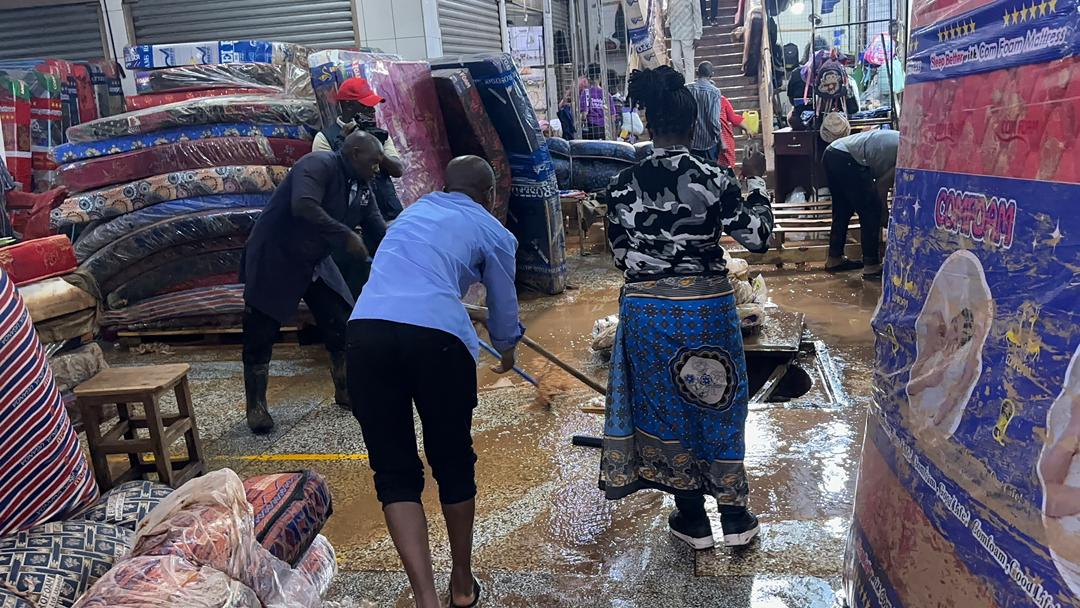
The strike coincides with a recent wave of floods that devastated downtown Kampala, destroying merchandise valued in millions of shillings. Many traders reported losing their stock entirely, intensifying their grievances.
“We had already suffered from floods, and now we face unfair taxation, increased rents, and rising competition from petty foreign traders,” said KACITA Chairperson Mr. Isa Ssekito.
Ssekito highlighted that foreign traders, who operate without proper retail chains, are dominating local markets, a situation he claims “cannot be found in any sober country.” He called on the government to take immediate action against street vendors blocking major trade routes.
Calls for Fair Taxation and Rent Control
A key flashpoint for the protest is the current taxation system, particularly for textiles and garments. Traders argue that the tax-by-weight scheme introduced by the Uganda National Bureau of Standards (UNBS) is unfair, poorly communicated, and excessively burdensome.
“UNBS is acting like a tax collector instead of ensuring standardization. We demand the kilo tax be completely removed,” Ssekito added.

Rents are another contentious issue. Despite a government directive banning landlords from charging in dollars or increasing rent by more than 10%, many traders report continued violations, adding to their financial strain.
“Downtown, landlords ignore the rules and demand rents in dollars. All these issues are painful and unaddressed. Closing our businesses is the only option left,” said Mr. John Kabanda, Chairperson of the Federation of Uganda Traders Association.
Heavy Security Presence in the City
The government deployed police and military personnel across downtown Kampala to monitor the protest. Traders seated outside their closed shops, visibly frustrated, called for urgent action from authorities to resolve long-standing trade challenges.
Despite the widespread closures, some shops remained open, exposing divisions among traders.
“There is a lot of self-interest among our leaders. Some people seek personal gain from these issues, but we are calling on the rest of the business community to unite,” said Ssekito.
Other traders emphasized the generational impact of the protest:
“A child of a trader will also be a trader, meaning these problems are intergenerational. Authorities need to act wholeheartedly,” said Mr. Moses Ddiba, a local trader.
Government Appeals and Responses
When traders announced their November strike last month, Minister for Kampala and Metropolitan Affairs Hajat Minsa Kabanda urged them to reconsider, assuring them that the government was already addressing their concerns.

“The Ministry of Trade and other responsible agencies are handling these issues. I request traders to continue doing business while their concerns are addressed,” Ms. Kabanda said on October 22, 2025.
During a recent meeting with supporters at Nakivubo Blue Primary School, Kabanda promised to advocate for better city infrastructure, improved trading conditions, and more trade spaces for local businesses.
“I will work with city authorities and the central government to improve roads and secure more trade spaces for our business community,” she said.
Tensions Rise Amid Unresolved Issues
This protest comes two months after a similar strike in August 2025 was called off following discussions between KACITA and Prime Minister Robinah Nabbanja. Despite government assurances, traders report that many of their concerns remain unresolved, particularly the tax system for textiles and garments.
“The weight-based taxation for garments remains one of the most contentious issues. It is exorbitant and unfair to local traders,” Ssekito noted.
Traders also demand stricter regulation of foreign petty traders, arguing that unchecked competition threatens their livelihoods.
“Foreign traders operate freely on every corner, vending goods without a structured chain. Local traders are being squeezed out. The government needs to act,” Ssekito said.
The Human Cost of the Protest
For many traders, the protest isn’t just about policy—it’s about survival. Downtown business owners face daily challenges from floods, taxes, rent disputes, and foreign competition. The strike highlights the real-world impact of trade policies on families, livelihoods, and the local economy.

“When you see your stock destroyed by floods and taxes imposed unfairly, it’s devastating. Our businesses are under threat, and our voices need to be heard,” said one trader who requested anonymity.
The protest also sparked divided public opinion, with some citizens sympathizing with the traders’ plight, while others criticized disruptions to downtown commerce.
What Traders Want: Clear Action from Authorities
The key demands of the traders include:
- Removal of street vendors blocking major trade routes
- Fair taxation policies, especially for textiles and garments
- Enforcement of rent controls in line with government directives
- Regulation of foreign petty traders to reduce unfair competition
Ssekito emphasized that the protest would continue until the government demonstrates genuine commitment to addressing these grievances.
“Our goal is not chaos but fairness. If authorities act now, we are ready to resume business immediately,” he said.
The Bigger Picture: Uganda’s Urban Trade Challenges
The Kampala strike highlights broader issues facing urban traders in Uganda, including:
- Unpredictable taxation policies that disproportionately affect small traders
- Foreign competition entering markets without proper regulation
- Flooding and natural disasters causing repeated financial losses
- Landlord violations of government directives on rent
Experts note that without systemic reforms, protests and strikes could become more frequent, threatening the stability of local trade and urban economies.

Public and Media Reactions
Images of traders sitting outside closed shops, patrolled by heavily armed security personnel, circulated widely on social media, sparking debates about fairness, urban governance, and economic sustainability.
Many Ugandans expressed support for the traders’ demands:
“High taxes and unfair competition are killing local businesses. The government must act fast,” one Twitter user wrote.
Others urged traders to seek negotiation over protest, highlighting the economic impact on ordinary citizens.
What’s Next?
The government faces mounting pressure to resolve disputes with local traders, as protests disrupt downtown commerce and everyday life.
Authorities must now balance:
- Ensuring compliance with tax policies
- Protecting the livelihoods of local traders
- Managing foreign competition and urban regulation
- Preventing further economic disruptions in Kampala
How these issues are addressed could set a precedent for urban trade management in Uganda for years to come.
Final Thoughts
The Kampala traders’ protest is more than just a strike—it’s a reflection of frustration, resilience, and a fight for fairness in Uganda’s urban markets. With high taxes, rising rents, floods, and foreign competition weighing heavily on traders, the outcome of this protest could have long-lasting implications for the city’s economy and its small business community.
What are your thoughts on the traders’ protest? Should the government act faster to protect local businesses, or are there other solutions? Drop your thoughts in the comments below! Stay tuned for updates on this developing story.