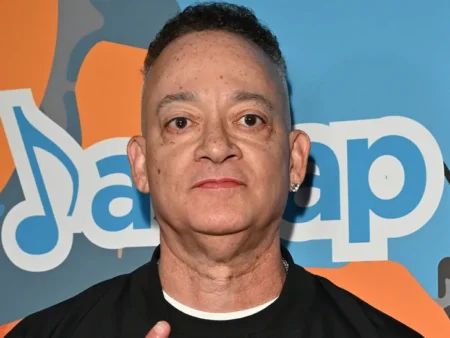


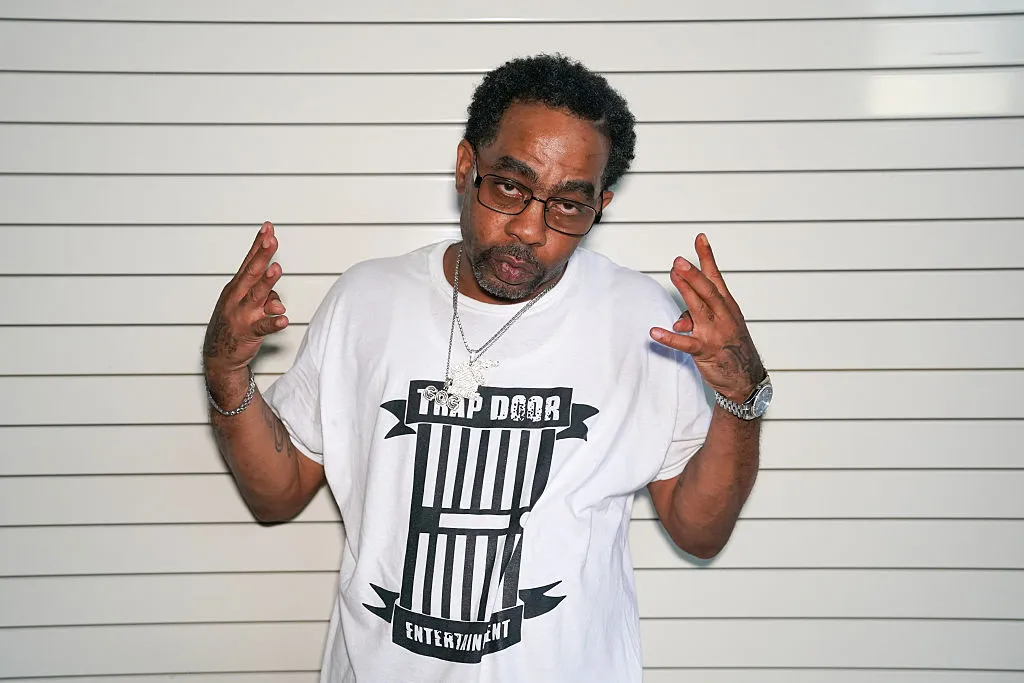
The hip-hop world is mourning the loss of a Southern rap pioneer. Young Bleed, one of Master P’s original No Limit Soldiers and a defining voice of Baton Rouge rap, has died at 51 following complications from a brain aneurysm, TMZ confirmed on Tuesday (November 4).
His death was first announced by his son, Ty’Gee Ramon, who shared an emotional tribute on Instagram Monday night. “My father gained his wings,” Ty’Gee wrote, calling the loss “unreal” and vowing to continue his father’s legacy.
Hospitalized After ComplexCon Performance
Born Glenn Clifton Jr., Young Bleed reportedly fell ill in late October after performing at the Cash Money Verzuz No Limit event at ComplexCon in Long Beach, California. According to family members, the rapper—who had no known history of major illness—had been managing high blood pressure, which may have contributed to the sudden medical emergency.
“It was a natural thing,” his son Ty’Gee said, explaining that the aneurysm came without warning.
His former partner and the mother of his youngest son, Tameka Long (known professionally as Madamm Meek), revealed that the artist had suffered a brain aneurysm caused by internal bleeding. He was placed on a ventilator in the ICU as doctors tried to stabilize him, but his condition deteriorated rapidly.
The family later launched a GoFundMe campaign to help with medical expenses, as the hospitalization had been both sudden and financially overwhelming.
A Baton Rouge Legend Who Defined an Era
Young Bleed’s death marks the end of an era for Louisiana hip-hop. Emerging in the late 1990s, he helped shape the gritty, soulful sound that would put No Limit Records and Southern rap on the national map.
His breakout came with the 1997 hit single “How Ya Do Dat,” a collaboration with Master P and C-Loc that appeared on the I’m Bout It soundtrack. The track exploded across the South, blending Baton Rouge swagger with New Orleans bounce to create a sound that was both raw and melodic.
A year later, his debut album My Balls and My Word dropped under No Limit Records and peaked at No. 10 on the Billboard 200, eventually going gold. Critics and fans praised his gravelly tone, poetic storytelling, and laid-back Southern flow, which set him apart from the more aggressive styles dominating rap at the time.
Songs like “How Ya Do Dat” and “Bring the Noise” became anthems for a generation of fans who saw Young Bleed as a lyrical voice for Baton Rouge’s streets.
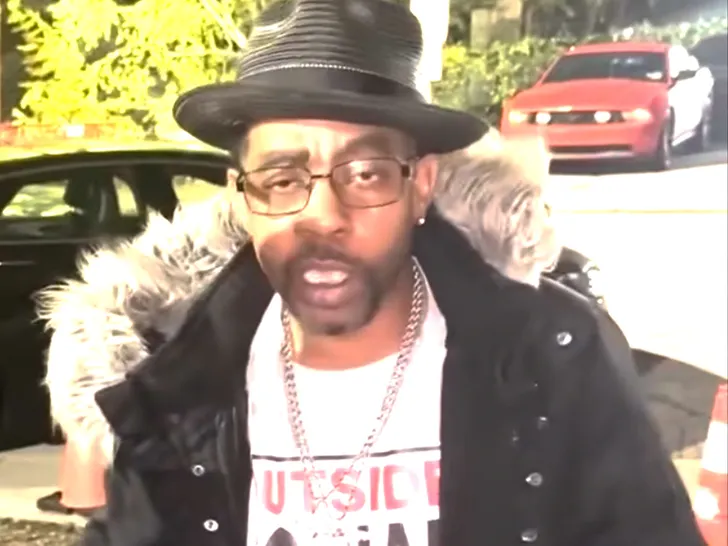
Beyond No Limit: A Career of Independence and Mentorship
While his time with No Limit catapulted him into the national spotlight, Young Bleed eventually left the label to pursue independent projects, including work with Strange Music and his own imprint, Trap Door Entertainment.
He continued releasing albums well into the 2010s, including Preserved (2011) and Country Boy Livin’ (2014), maintaining his reputation as a storyteller rooted in Southern authenticity.
But perhaps his greatest contribution in recent years was mentoring Baton Rouge’s next generation of artists—many of whom credit him for opening doors and setting a blueprint for regional success.
“Bleed never changed,” one longtime collaborator told The Advocate. “He was humble, he was real, and he always looked out for the young cats coming up behind him.”
Tributes Pour In
Since the news broke, tributes have flooded social media from fans and fellow artists across the South.
Master P, who helped launch Young Bleed’s career, shared a photo of the rapper on Instagram, writing, “Another soldier gone too soon. Rest in peace, Young Bleed. You helped make history.”
C-Loc, Bleed’s early collaborator and Baton Rouge rap veteran, also expressed his heartbreak, calling him “a brother and a legend forever.”
Even newer artists from Louisiana, including Boosie Badazz and Kevin Gates, acknowledged Bleed’s influence, crediting him for laying the foundation for Baton Rouge’s enduring hip-hop culture.
Legacy of a Southern Poet
Though Young Bleed’s commercial peak was brief, his impact runs deep. His unique blend of introspection, melody, and street wisdom influenced an entire wave of Southern rappers who followed.
Critics often praised him for humanizing the realities of street life, weaving moral reflection and soul into his verses. His artistry bridged the raw energy of gangsta rap with the heartfelt lyricism that defined early Southern hip-hop.

For fans, his legacy lives on through timeless classics like “How Ya Do Dat,” “My Balls and My Word,” and “Better Than Last Time.”
“He’ll Always Be Here With Us”
In his tribute, Ty’Gee Ramon promised to keep his father’s name alive—not just through music, but through family and community. “He’ll always be here with us,” he wrote. “The world’s gonna remember who Young Bleed was.”
As the rap world continues to honor his memory, one thing is clear: Young Bleed’s voice, message, and music will never fade. From Baton Rouge to beyond, his legacy remains woven into the fabric of Southern hip-hop.
Rest in Power, Young Bleed. 1973–2025.