


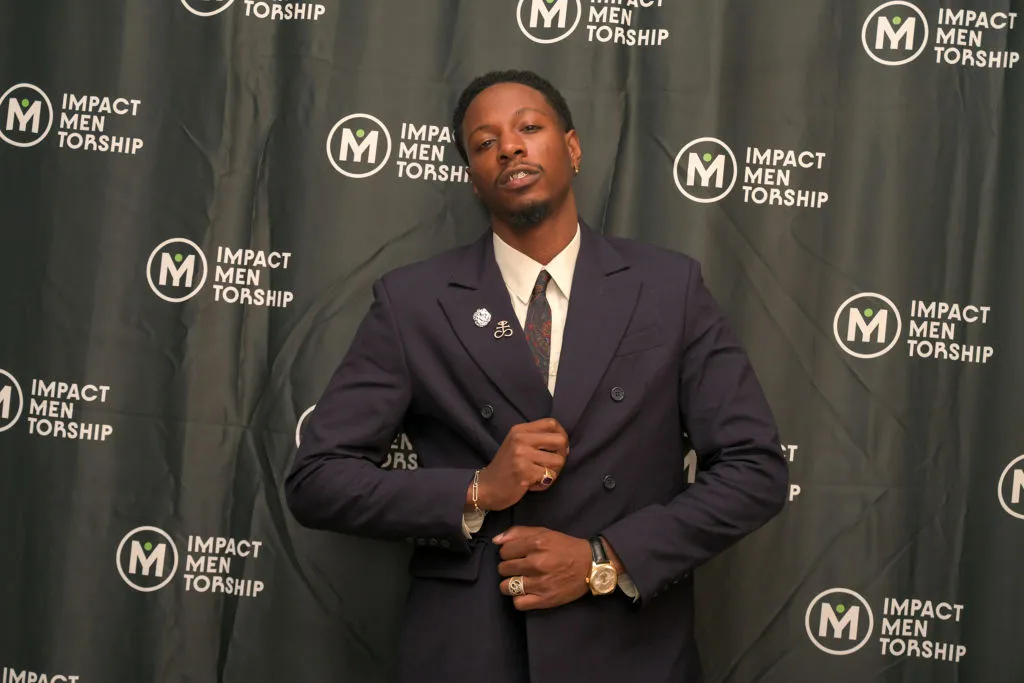
Hip-hop star Meek Mill is speaking out against what he describes as ongoing racial profiling and systemic injustice during his visits to New York City.
On December 22, the Philadelphia rapper took to X (formerly Twitter) to air his frustrations with law enforcement, claiming he’s being unfairly targeted despite keeping a clean record.
A Troubling Encounter Sparks Outrage
Meek recounted a recent incident where a detective allegedly questioned his cousin, labeling him a “bad guy” and implying that he’s surrounded by dangerous people.
According to Meek, this interaction dredged up memories of a previous wrongful arrest, during which the NYPD removed him from his car and falsely accused him of carrying a weapon.
Despite the public nature of that incident, Meek says no apology has been offered, fueling his sense of ongoing discrimination and mistreatment.
Speaking Out Against Bias
In his tweets, Meek emphasized that law enforcement’s scrutiny is not due to criminal activity, but rather how he presents himself in the public eye.

“I’m not in the life of crime,” he wrote, underscoring that he refuses to let his past or public image dictate his freedom.
The rapper highlighted that, as a Black man, he feels especially vulnerable to prejudgment, pointing to a larger pattern of systemic targeting that affects millions in America.
Meek Addresses NYC Violence and Personal Responsibility
Meek also weighed in on the city’s rising gun violence, criticizing high-profile shootings in New York hotspots. But he stressed that his own events remain safe, maintaining a spotless record while contributing millions to the city’s nightlife scene.
“We just not scared to be Black,” Meek declared, framing the negative perceptions about him as rooted in bias, hearsay, and online rumors rather than reality.
Additionally, Meek noted that he’s spent over a year securing a legal gun license in NYC, further proving his commitment to responsibility and safety.
Remembering Fallen Artists
Meek concluded his thread with a sobering reminder of the industry’s real dangers, invoking the deaths of influential artists such as Nipsey Hussle, Pop Smoke, and PnB Rock.

By sharing his story, he’s calling for a change in how Black artists are perceived, demanding to be recognized for who he truly is—not the criminal image unfairly attached to him by media narratives and law enforcement.
Why This Matters
Meek Mill’s statements resonate far beyond celebrity gossip. They highlight:
- Systemic bias in law enforcement, particularly against Black public figures
- The challenges artists face maintaining safety while under public scrutiny
- The power of speaking out to challenge misconceptions and demand accountability
Fans and fellow artists quickly rallied around Meek, praising his courage and honesty.
“Meek always keeps it real,” tweeted one fan.
“It’s not just music—he’s speaking truth about life as a Black man in America,” wrote another.
Meek Mill is making it clear: he won’t let prejudice define him. As hip-hop continues to intersect with social justice, his voice adds weight to the ongoing conversation about racial profiling, safety, and respect in the industry.
What do you think about Meek Mill’s remarks? Do you stand with him on racial profiling and safety in NYC? Drop a comment below and join the conversation!