


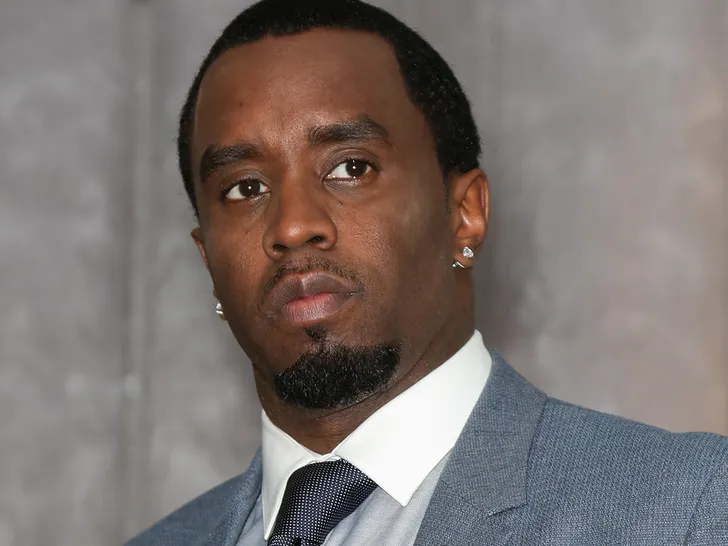
Sean “Diddy” Combs’ legal battle just took a dramatic new turn — and this time, the gloves are fully off.
In a newly filed appeal late Tuesday night, Diddy’s legal team directly targets Judge Arun Subramanian, accusing him of crossing a constitutional line and acting more like a juror than an impartial judge when handing down the music mogul’s 50-month federal prison sentence.
The filing doesn’t just ask for a lighter punishment — it demands Diddy’s conviction be overturned outright and calls the judge’s actions “draconian,” “unlawful,” and deeply unfair.
At the center of the argument? Diddy’s lawyers say the judge punished him for crimes a jury explicitly cleared him of.
“The Thirteenth Juror”: A Stunning Accusation
According to the appeal, Judge Subramanian improperly inserted his own judgment into the case — effectively becoming what the defense calls the “thirteenth juror.”
Lead appellate attorney Alexandra Shapiro argues that Subramanian’s sentencing relied heavily on allegations tied to:
- Racketeering
- Sex trafficking
- Violent conduct
Charges the jury explicitly acquitted Diddy of.

Shapiro claims the judge nonetheless treated those acquitted allegations as fact during sentencing — a move she says violates Diddy’s constitutional rights.
“The court imposed a draconian 50-month sentence based on conduct the jury rejected,” the filing argues.
Why the Sentence Is Being Challenged
Diddy was convicted on only two federal counts — violations of the Mann Act, which prohibits transporting individuals across state lines for the purpose of prostitution.
According to the appeal:
- The sentence should have been limited strictly to those two counts
- The judge improperly considered allegations tied to acquitted charges
- Doing so undermines the jury’s verdict and due process
The defense insists the sentencing phase became a second trial — without a jury.
Defense: “You Can’t Punish What the Jury Rejected”
One of the most explosive moments in the filing points to comments Judge Subramanian allegedly made during sentencing, where he said he could consider behavior related to violent charges, even though the jury found Diddy not guilty on those counts.
Shapiro calls that reasoning unconstitutional.

In plain terms, Diddy’s lawyers argue:
- Acquittal must mean acquittal
- Judges cannot re-litigate rejected accusations
- Sentencing must reflect only proven convictions
Anything else, they say, is judicial overreach.
Mann Act Convictions Still in Dispute
This appeal also reinforces arguments Diddy’s team has made repeatedly in earlier filings.
They maintain that Diddy:
- Did not arrange travel for male escorts
- Did not pay for prostitution services
- Did not direct or manage the alleged transactions
If true, they argue, that would mean no Mann Act violation occurred at all — and the convictions themselves should be tossed.
Court Exhibits Still Fuel Public Shock
While Diddy’s legal team fights the sentence, the public remains fixated on graphic court exhibits, including evidence seized during a controversial island raid that prosecutors previously introduced.
Those images and documents — though not tied to the Mann Act counts — have shaped public perception and media narratives surrounding the case.

The defense argues that same emotional weight unfairly influenced sentencing.
Prosecutors Haven’t Responded — Yet
Federal prosecutors now have several months to formally respond to the appeal.
Once briefs are filed on both sides, the case will move to the appellate court, where judges will review:
- Whether sentencing guidelines were misapplied
- Whether constitutional protections were violated
- Whether the convictions or sentence should be overturned
For now, Diddy remains incarcerated while the legal fight escalates.
What’s at Stake for Diddy
This appeal could result in:
- A reduced sentence
- A resentencing hearing
- Or, in the most dramatic outcome, vacated convictions and release
Legal experts note that appeals attacking judicial conduct — especially claims of punishing acquitted behavior — can carry serious weight if proven.
Public Reaction: Divided and Loud
As news of the appeal spread, reactions exploded online.

Some fans argue Diddy is being unfairly targeted, while critics insist the sentence was justified. Others zeroed in on the broader implications — questioning how often judges consider acquitted conduct behind closed doors.
The phrase “13th juror” quickly began trending across legal and entertainment circles.
The Bottom Line
Diddy’s legal team isn’t mincing words.
They say Judge Arun Subramanian overstepped, ignored the jury’s verdict, and handed down a punishment rooted in accusations the law says no longer mattered.
Whether the appellate court agrees could reshape not just Diddy’s future — but how sentencing power is exercised in high-profile federal cases.
Do YOU think the judge crossed the line — or was the sentence fair?
Sound off in the comments and stay locked to The Pop Radar for exclusive updates as this high-stakes legal showdown unfolds.