


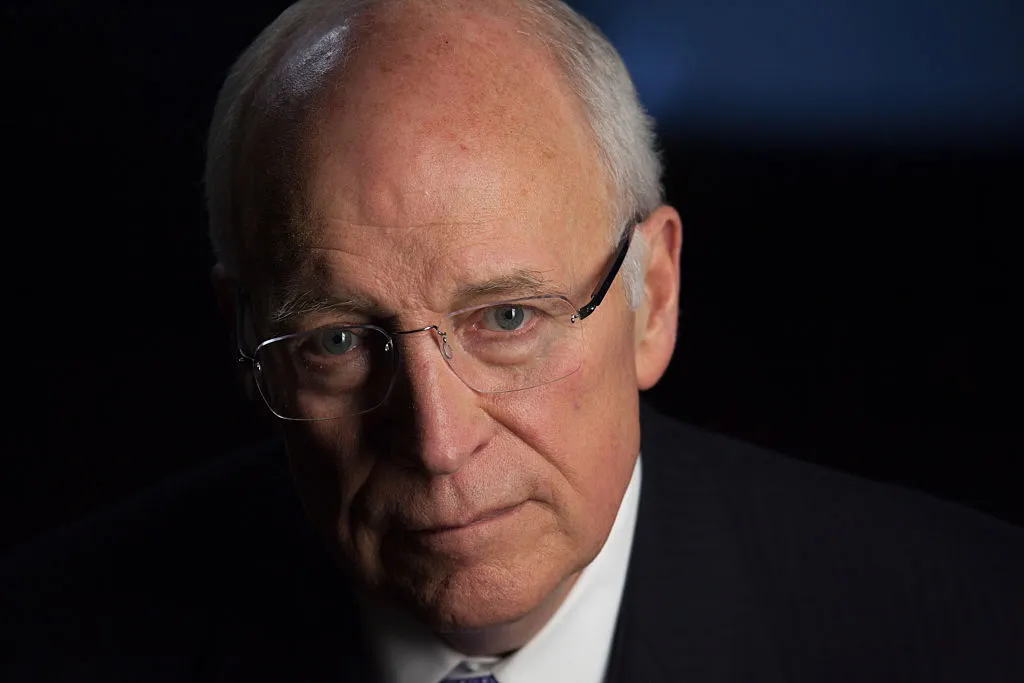
Dick Cheney, a towering figure in American politics and a key architect of post-9/11 policy, passed away on Monday at the age of 84. His family confirmed that Cheney died from complications of pneumonia and cardiac and vascular disease.
“His beloved wife of 61 years, Lynne, his daughters, Liz and Mary, and other family members were with him as he passed,” the family said in a statement.
Cheney’s death marks the end of a remarkable and often polarizing career in public service, one that spanned decades and shaped the trajectory of U.S. domestic and foreign policy.
A Lifetime of Service
Born on January 30, 1941, in Lincoln, Nebraska, Cheney was raised in Wyoming before earning degrees at the University of Wyoming. His early career included several significant posts in federal service, including:
- White House Chief of Staff to President Gerald R. Ford (1975–77)
- U.S. Congressman from Wyoming
In 1989, he was appointed Secretary of Defense under President George H. W. Bush, overseeing U.S. military operations during the Persian Gulf War.
Cheney’s political influence peaked when he became 46th Vice President of the United States under George W. Bush (2001–2009). During his tenure, observers described his role as unusually expansive, with The Washington Post noting that Cheney functioned in what former Vice President Dan Quayle called “a sort of co-presidency.”

Shaping Post-9/11 America
Cheney’s legacy is closely tied to the post-September 11 war-on-terror era. He was a vocal advocate for the 2003 invasion of Iraq and played a central role in shaping surveillance, detention, and interrogation policies.
While his critics argued these policies overstepped constitutional boundaries, supporters maintained that they were necessary measures in response to unprecedented threats. Cheney’s leadership during this period cemented his reputation as a determined and sometimes controversial policymaker.
Health Battles and Personal Life
Cheney faced persistent health challenges throughout his life. He survived five heart attacks and underwent a heart transplant in 2012, demonstrating resilience in the face of repeated medical crises.
The family reflected on his personal legacy, saying he taught his children and grandchildren “to love our country, and to live lives of courage, honor, love, kindness, and fly fishing.”
Tributes and Reflections
Former President George W. Bush called Cheney “a decent, honorable man” and said his death was “a loss to the nation.”
Even after leaving office, Cheney remained a prominent voice in politics. Notably, he broke with much of his party, criticizing Donald Trump and endorsing Democrat Kamala Harris in 2024, demonstrating his commitment to principle over party lines.
Survived By Family
Dick Cheney is survived by his wife Lynne and daughters Liz and Mary, who were at his side during his final moments. His passing closes the chapter on a life defined by service, controversy, and enduring influence on American politics.
What do you think of Dick Cheney’s legacy? Share your thoughts on his life, career, and impact in the comments below, and stay tuned for updates and reflections on his public service.