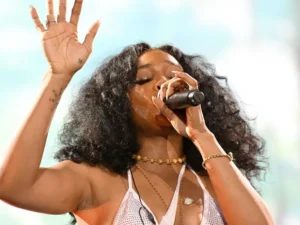


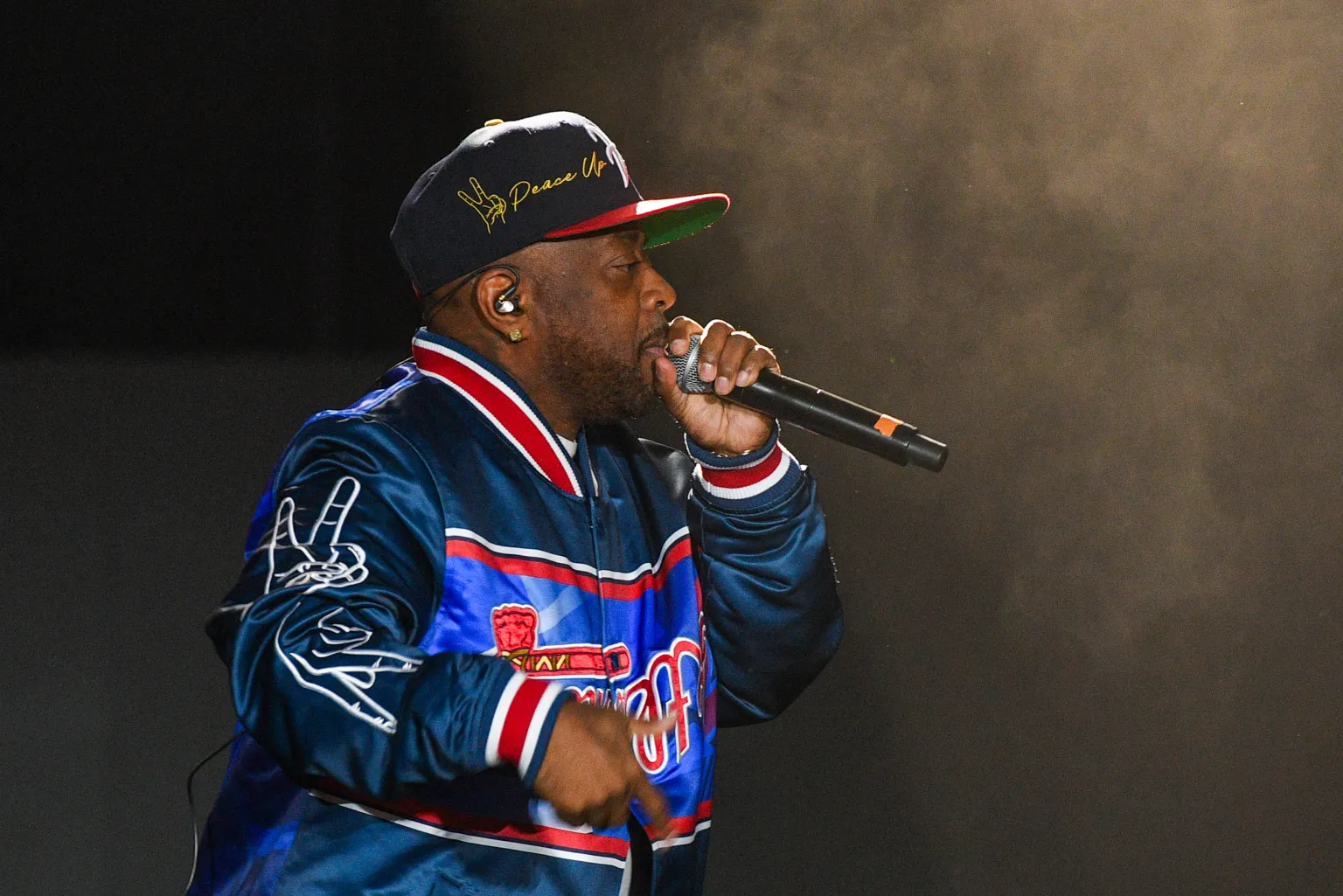
Music mogul Jermaine Dupri is sounding the alarm on a growing trend in the industry: AI-created artists. The legendary producer and songwriter took to X to express his concerns about the line between genuine talent and artificial creations.
“So let me get this right,” Dupri wrote.
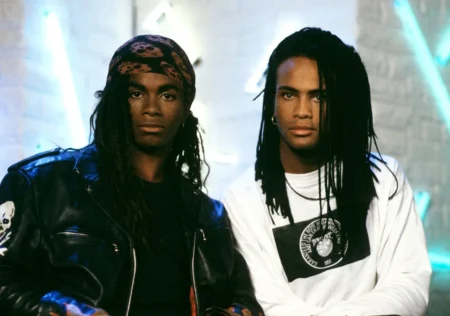
“Years ago the industry found out that Milli Vanilli weren’t really the voices on their Grammy-winning record, and they were stripped of their Grammy, but now we’re getting ready to accept people who can’t even sing, creating songs for a fake person? How is this any different than Milli Vanilli?”
His tweet quickly drew attention, sparking conversations among fans and industry insiders who share Dupri’s skepticism about technology’s growing role in music.
So let me get this right , years ago the industry found out that Milli Vanilli weren’t really the voices on their Grammy winning record and they were stripped of their Grammy, but now we’re getting ready to accept people who can’t even sing, creating songs for a fake person ?…
— Jermaine Dupri (@jermainedupri) November 6, 2025
Why the Milli Vanilli Comparison Matters
To understand Dupri’s argument, it’s worth revisiting one of music’s biggest scandals. Milli Vanilli, the German pop duo, soared to fame in the late 1980s with hits from their album All or Nothing—later known in the U.S. as Girl You Know It’s True. Their catchy songs and signature dance routines made them global superstars, but the revelation that neither member actually sang on their recordings shocked the world. The scandal culminated in the duo being stripped of their Grammy Award for Best New Artist, marking one of the most infamous moments in music history.
AI Artists Are the New Frontier
Fast-forward to today, and Dupri sees a modern parallel in AI-generated performers. Xania Monet, a virtual artist created by Mississippi poet Telisha “Nikki” Jones, recently became the first AI performer to chart on Billboard’s Adult R&B Airplay with her track “How Was I Supposed to Know?”
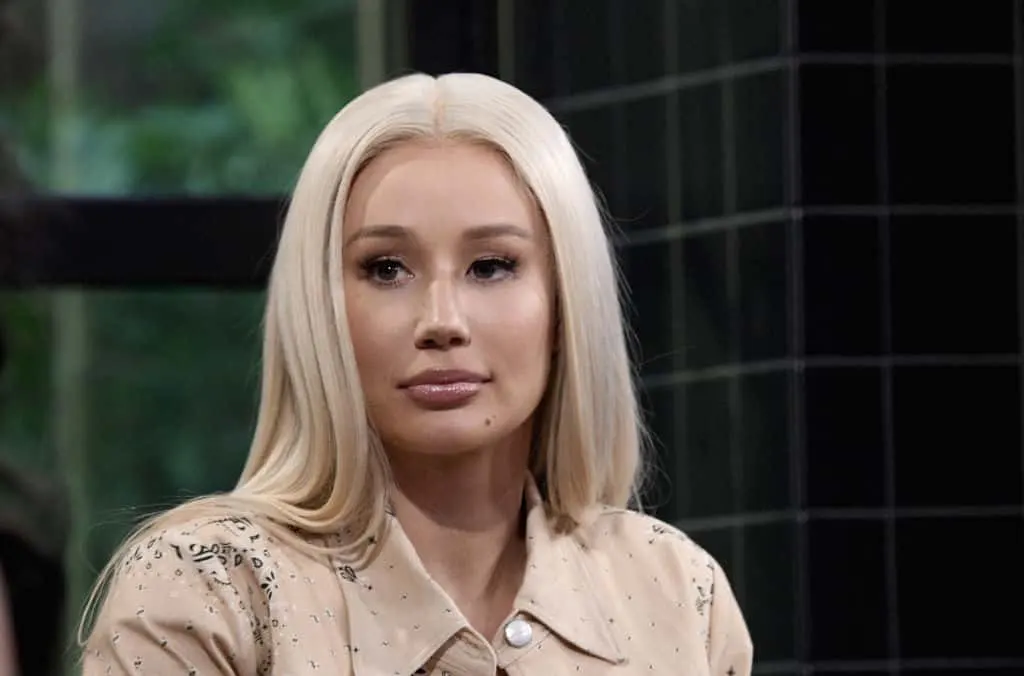
Jones defended her creation on CBS Mornings, emphasizing the artistic intent behind the technology:
“Technology’s evolving. Everyone has different ways of putting in work to get to where they’re at. I don’t feel a way about it.”
Despite the praise for innovation, the rise of AI artists has reignited debates about authenticity, talent, and the future of the music industry.
Industry Reacts: Innovation or Inauthenticity?
Dupri’s comments reflect a growing concern among producers, artists, and fans alike: is the music industry celebrating creativity, or is it trading authenticity for novelty? AI music allows for unprecedented experimentation, but it also raises questions about whether audiences are rewarding skill or simply clever programming.
Social media quickly lit up after Dupri’s tweet, with some users echoing his sentiment:
- “If this is the future, where do real singers go?”
- “AI can be cool, but it shouldn’t replace actual talent.”
- “This is definitely the new Milli Vanilli energy.”
Others defended the technology, arguing that innovation has always been part of music evolution—from autotune to digital production.
The Debate Continues
As AI-driven tracks gain airplay and fan engagement, the conversation around authenticity is more urgent than ever. Producers like Dupri highlight the tension between honoring traditional artistry and embracing new tools, while virtual performers push the boundaries of creativity.
Whether AI artists will redefine music or spark a backlash reminiscent of Milli Vanilli remains to be seen—but one thing is clear: the industry is at a crossroads, and Jermaine Dupri is not afraid to ask the tough questions.
Bottom Line:
The rise of AI music isn’t just a technological issue—it’s a cultural one. As fans, artists, and producers weigh in, the debate over what counts as “real talent” is heating up.
Stay Tuned: What do you think—are AI artists the future, or is authenticity at risk? Drop your thoughts below!