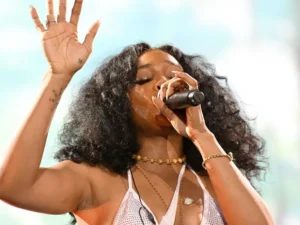



R&B star Kehlani is not here for artificial intelligence in music.
After news broke that Xania Monet, a virtual performer created with AI software, inked a $3 million deal with Hallwood Media and climbed onto the Billboard charts, Kehlani made her stance crystal clear: this is not innovation—it’s an attack on artistry.
The Grammy-nominated singer shared her heartbreak over the milestone, warning that technology is slowly erasing opportunities for real musicians who dedicate their lives to the craft.
The AI Artist That Sparked the Backlash
Xania Monet, the AI performer at the center of the controversy, isn’t a human singer at all. She was developed by poet and designer Talisha Jones, who used the AI music program Suno to transform her poetry into full songs.
The results? Chart success.

- No. 25 on Billboard’s Emerging Talents chart
- No. 21 on Billboard’s Hot Gospel Songs list
The signing with Hallwood Media came with a multimillion-dollar deal, positioning Monet as one of the first AI “artists” to be embraced by the mainstream music industry.
But for Kehlani, the achievement felt less like progress—and more like a red flag.
Kehlani’s Unfiltered Response
In a series of candid posts, Kehlani expressed her frustration with the music industry’s embrace of AI, saying no explanation could ever justify replacing human musicians with computer-generated performers.
“This is so beyond out of our control. Nothing and no one on Earth will ever be able to justify AI to me.”
But she didn’t stop there. In a longer statement, Kehlani broke down exactly why she believes AI is the “antithesis of art.”

She wrote:
- “I’m genuinely sad for people who are trying to come up and their space is being taken up by a computer program.”
- “People saying, ‘damn I don’t care she’s so relatable.’ IT, not she, is taking all of the data it’s collected on us and what we want, and is tailoring to us—even down to the voice.”
- “‘Well the creator is a poet who can’t sing but wanted to make her ideas come to life’ … maybe she should write a poetry book. I love to support a good poet. I cannot paint, so I’m not going to create AI paintings and sell them, taking up space from up-and-coming painters.”
Kehlani ended with a gut punch:
“This is the antithesis of art. Just because you can, don’t mean you should. Art is not a money grab. Music means something significant to culture, to humanity, to people. Me personally—I’m going to value it that way for the rest of my life.”
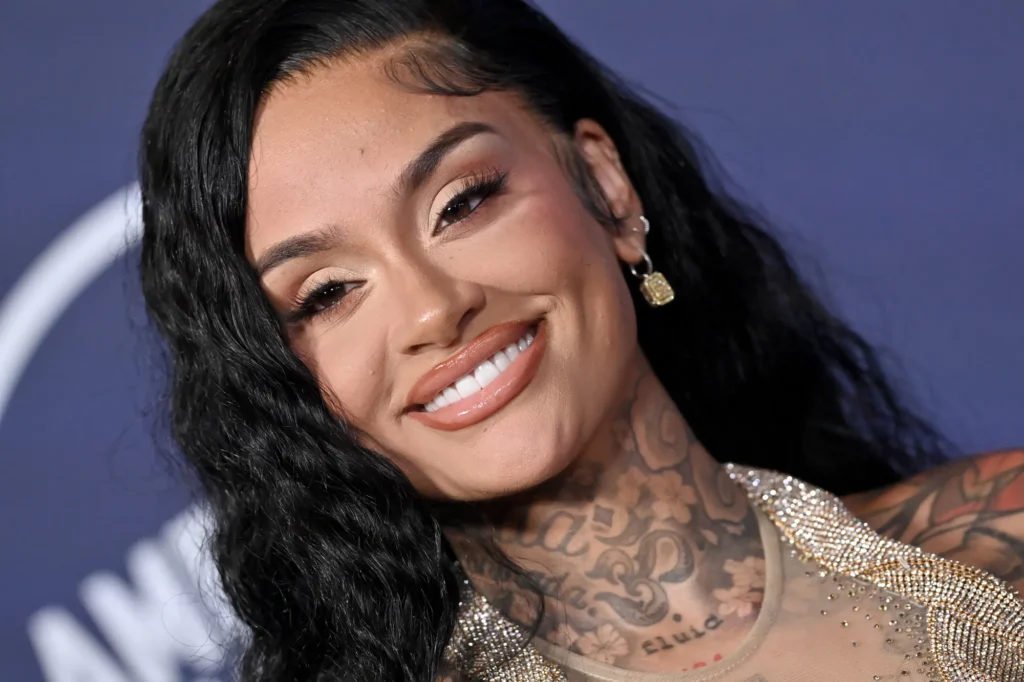
Fans Rally Behind Kehlani
The reaction online was swift, with fans flooding her comments and reposting her message across platforms. Many echoed her concerns, warning that authenticity and emotion can’t be programmed into an algorithm.
- “AI will never give me chills the way Kehlani’s voice does. That’s real soul.”
- “Technology is stealing culture while corporations cash in. She’s right.”
- “Music is storytelling. You can’t replace lived experience with code.”
Others worried about the long-term implications: if AI artists continue landing multimillion-dollar deals, will labels still invest in emerging human talent?
The Bigger Picture: AI’s Rapid Rise in Music
Kehlani’s comments come at a time when AI is rapidly infiltrating the music industry.
- AI voice clones have already sparked lawsuits, with artists like Drake and The Weeknd fighting back against unauthorized “deepfake” songs.
- Streaming platforms are flooded with AI-generated background tracks designed to game algorithms.
- Labels and publishers are lobbying for tighter copyright laws to protect human artists from being replaced.
While some argue AI tools can be a helpful supplement for creativity, Kehlani and many others see this moment as a dangerous turning point.
Why This Matters
For decades, the music industry has been shaped by human stories, cultural movements, and raw emotion. Kehlani’s outcry shines a spotlight on the fear that, if AI continues to gain traction, music could shift from a deeply personal art form to a soulless, data-driven product.
Her analogy about painting resonated deeply: just because someone can use a tool to imitate an art form doesn’t mean they should. For Kehlani, and for many fans, music isn’t about convenience or marketability—it’s about meaning.
What’s Next for AI and the Industry
Xania Monet’s success is unlikely to be the last. More AI performers are already on the horizon, and labels eager for profit may push them harder than ever.

But Kehlani’s fiery response shows artists aren’t staying silent. Expect more musicians to speak up, pressure labels, and demand transparency when AI is involved in charting songs or signing deals.
The battle lines are drawn: on one side, corporate innovation; on the other, artists protecting the soul of music.
💬 Do you agree with Kehlani—should AI stay out of music? Or do you think there’s room for virtual artists in the industry? Drop your thoughts below!
👉 Follow The Pop Radar (TPR) for the latest on Kehlani, the AI music debate, and every cultural clash shaping the future of entertainment.