



“I was at peace with dying.”
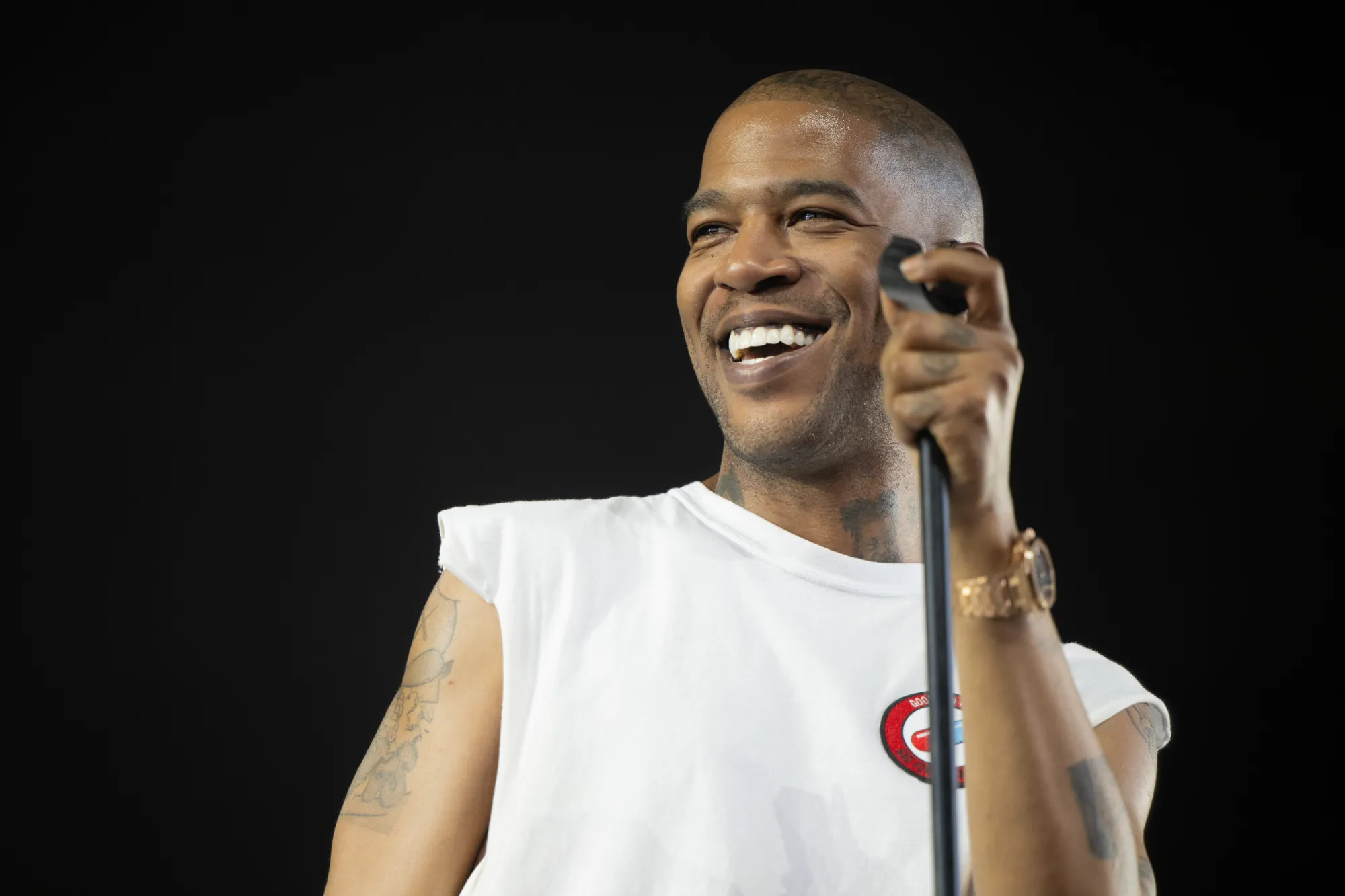
Kid Cudi is baring his soul in a heart-wrenching new memoir—and it’s one of the most vulnerable reveals we’ve seen from the Man on the Moon yet.
The Cleveland-born rapper and cultural icon is detailing the darkest chapter of his life: a near-fatal overdose that almost ended everything at the height of his early fame. According to an emotional excerpt previewed by GQ, Cudi recounts the terrifying night alone in his Tribeca apartment where he binged on cocaine until he collapsed, nearly comatose.
“I cryed [sic] for hours,” he writes. “I was at peace with dying… ‘You made great music that people loved,’ I thought. ‘But this is the end.’”
The Pinky-Wide Lines That Almost Took His Life
Cudi recalls using lines of cocaine so wide they matched the width of his pinky finger, numbing the pain of internal chaos as he spiraled deeper into isolation.

“It was all happening so fast. The first Man on the Moon had been out for about a year and I was on a rocket ship,” he reflects. “Grappling with fame pushed me toward cocaine, which I only ever did alone.”
The coke didn’t feel like a party drug to him—it felt like survival.
“The coke felt like a necessary countermeasure for my celebrity, but it was wreaking havoc on my life, creatively and personally.”
“My Rage Came from My Reality Not Aligning with My Dream”
The Grammy-winning artist says the fast life and stardom he once dreamed of quickly turned into a mental health nightmare.

“My relationships were in shambles, and I couldn’t get songs out like I wanted. The anger was boiling in me. My rage came from my reality not aligning with my dream.”
Even financial success didn’t bring peace.
“I thought being set financially was going to save me… I thought being Kid Cudi would transform my life in all the best ways. It didn’t.”
Suicidal Thoughts During Speedin’ Bullet 2 Heaven
Perhaps most chilling, Cudi reveals he planned to take his own life during the release of his 2015 album Speedin’ Bullet 2 Heaven.

“After we’d finished a session, I’d be alone Googling exit bags,” he writes. “I was thinking about a way I could actually do it. I was plotting it.”
The final track on that album was supposed to be a literal goodbye.
“That was meant to be my final album. I was going to kill myself at the end of that album, or before it came out, or during that cycle. I was not planning to live that year. Not many people around me expected me to either.”
Hope After Darkness
While the memoir is gut-wrenching, Cudi’s willingness to share it now signals healing—and hope.

In recent years, he’s become a mental health advocate, especially for Black men in the entertainment industry. His openness about depression, anxiety, and addiction has helped destigmatize the conversation around mental illness for a new generation.
Still, this new memoir shows that the road to self-love and healing was anything but easy.
Final Thoughts
Kid Cudi’s raw honesty reminds fans that behind the music, fame, and headlines is a man who battled with life itself—and lived to tell the story.
His story isn’t just about surviving addiction. It’s about rediscovering purpose, confronting demons, and refusing to let them win.
If you or someone you know is struggling with suicidal thoughts, call or text 988 to reach the Suicide & Crisis Lifeline. Help is available. You are not alone.