

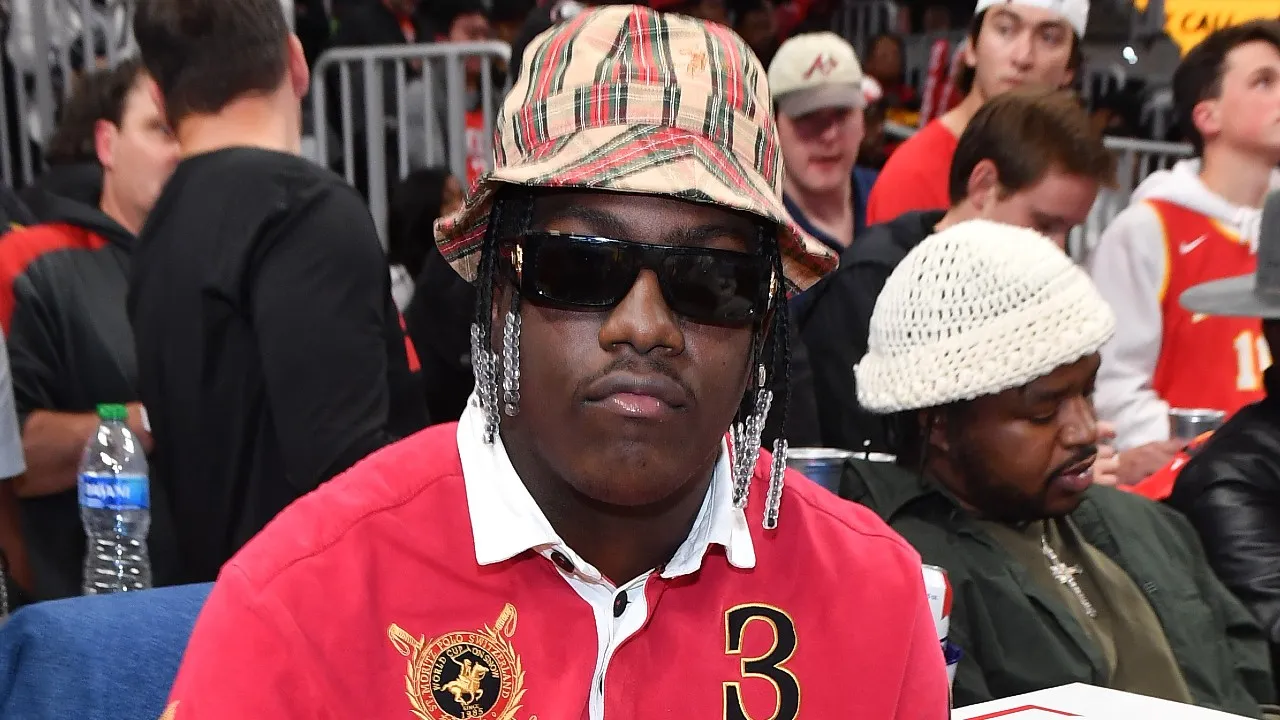
Lil Yachty is at the center of a social media firestorm after performing a controversial lyric referencing George Floyd during Plaqueboymax’s livestream on Thursday, August 14.
In the viral clip, the Atlanta rapper raps, “Put my knee up on her neck, I went George Floyd,” a line that critics say trivializes Floyd’s 2020 death. The lyric quickly ignited outrage across social media, with many calling it insensitive, disrespectful, and tone-deaf.
Stephen Jackson Calls Out Yachty
Among the most vocal critics was Stephen Jackson, former NBA star, podcast host, and childhood friend of Floyd. Jackson didn’t hold back, accusing Yachty of exploiting Floyd’s name for attention while dismissing his music as “wack.”
Jackson condemned the lyric as tasteless, stressing that no artist should degrade the memory of someone whose death became a global flashpoint against police brutality. “Leave George’s name out of songs entirely,” Jackson tweeted, reinforcing that Floyd’s life and tragic death deserve respect, not shock-value references in music.
A Broader Issue in Rap Culture
Jackson also tied Yachty’s lyrics to a broader cultural trend in rap where shock value often comes at the expense of real-life tragedies. Many artists invoke George Floyd’s name without ever knowing him personally, Jackson argued, using his legacy as a tool to generate clout.

He urged Yachty to consider the outrage if a rapper mocked the death of his own family member. “Think about the pain you’re causing to those still grieving,” Jackson said, highlighting how such remarks reduce a human tragedy to a punchline.
Fans Join the Backlash
Social media response mirrored Jackson’s outrage. Fans and public figures quickly branded Yachty “corny” and “lame” for crossing a moral line. Many emphasized that George Floyd’s death—caused when former Minneapolis police officer Derek Chauvin pressed his knee into Floyd’s neck for more than nine minutes—was a pivotal moment in the modern fight for racial justice.
Floyd’s final words, “I can’t breathe,” became a global rallying cry, echoing through protests and symbolizing the urgent demand for systemic reform. For many, Yachty’s lyric wasn’t just offensive—it undermined the gravity of a defining civil rights moment.

Controversy Raises Questions About Artistic Freedom
This incident has now sparked a wider debate over respect, artistic freedom, and the ethics of referencing real-life tragedies in music. While some defend artistic expression as a space for shock and satire, others insist that certain subjects, particularly recent human tragedies, should remain off-limits.
Critics argue that invoking Floyd’s name in a punchline trivializes the suffering of his family and the millions inspired by the movement he inadvertently led. With fans and celebrities weighing in, Yachty is facing a cultural reckoning that could define how artists approach sensitive topics moving forward.
“Ya music been wack… don’t ever say his name bro.. only you wack SAMBO ass niggas that do shit like that”
— Block Topickz (formerly Glock Topickz) (@BlockTopickz) August 15, 2025
-Stephen Jackson calls out Lil Yachty for using George Floyd name in a wack rap https://t.co/RUlCj72XRB pic.twitter.com/oPWEMc58HW
What’s Next for Lil Yachty?
The rapper has yet to issue a formal apology or statement addressing the backlash. The incident underscores the fine line artists walk between provocation and respect, especially when referencing figures tied to real-world suffering.
Social media continues to buzz with heated debates over whether Yachty’s lyric was an exercise in free expression or a blatant act of insensitivity. One thing is clear: the conversation around George Floyd’s legacy and its place in pop culture is far from over.
What are your thoughts on this? Drop a comment below and share your take on Lil Yachty’s controversial lyric. Stay tuned for more updates on this developing story.