


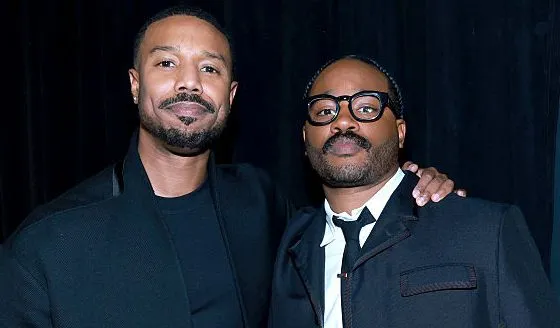
Ryan Coogler and Michael B. Jordan aren’t done talking about Sinners—and honestly, fans aren’t done listening.
Fresh off the film’s record-setting Academy Award nominations, the longtime collaborators are still deep in promo mode, but instead of glossy soundbites, they’re finally pulling back the curtain. In a new episode of Proximity Media’s In Proximity podcast, hosted by Paola Mardo, Coogler and Jordan go deeper than any press junket ever could—unpacking the how, why, and what-it-took behind one of the most talked-about films of the year.
What unfolds is less PR and more masterclass.
A Creative Duo Built on Trust, Not Hype
Listening to Coogler and Jordan talk, it’s immediately clear this isn’t a typical director-actor relationship. This is a creative partnership forged over years—from Fruitvale Station to Creed to Black Panther, and now Sinners.
Their rhythm is relaxed. Their language is shared. They finish each other’s thoughts like artists who’ve been sharpening the same blade for over a decade.
“There’s a shorthand,” Coogler all but implies. By this point, they don’t need to overexplain. They know how the other works.
That trust becomes the backbone of Sinners—a film that demands precision, emotional risk, and total buy-in from everyone involved.
Ryan Coogler’s Blueprint: Building Sinners Like a Formula
For Coogler, Sinners didn’t begin with vibes—it began with math.
“I treated it like a blueprint,” he explained, breaking down how the film’s foundation came together long before cameras ever rolled. Every stage of the twins’ lives—Smoke and Stack—was mapped out in detail.

“For me, working on a script as a writer, it was a lot of math,” Coogler said. “Just figuring out how old these guys were.”
Yes, really.
To make sure nothing felt accidental, Coogler created an actual spreadsheet for Jordan—tracking timelines, ages, shared history, and turning points. It was less Hollywood fantasy and more architectural design.
The goal? Make every decision Smoke and Stack make feel earned.
A Story Rooted in History—and Moral Complexity
Set against the 1930s blues era, Sinners stretches far beyond what’s on the surface.
Coogler traced the twins’ lives all the way back through World War I and into Chicago’s criminal underworld, moving forward and backward through time to ensure emotional consistency.
Themes like:
- Loyalty
- Betrayal
- Survival
- Brotherhood
…aren’t just layered in—they’re embedded into the characters’ DNA.
But Coogler is also brutally honest about who Smoke and Stack really are.

“These are very bad men,” he said bluntly. “They’re murderers, they’re robbers.”
And yet, Sinners refuses to flatten them into caricatures. Coogler insisted on showing humanity alongside harm, challenging audiences to sit with that discomfort instead of escaping it.
That balance—between empathy and accountability—is what gives the film its weight.
Michael B. Jordan’s Method: Two Men, Two Souls
For Michael B. Jordan, playing twin brothers wasn’t just a technical challenge—it was a psychological one.
“There were no shortcuts,” Jordan admitted.
To keep Smoke and Stack fully separate, he created two entirely different inner worlds, maintaining individual journals for each character. Every thought, instinct, and emotional reaction lived in its own lane.
Even on set, there was no overlap.
Each twin had:
- A distinct rhythm
- A unique posture
- Separate motivations
- Different emotional triggers
Jordan approached them like two different roles sharing the same body.

The Voice That Made the Difference
The final—and perhaps most impressive—layer was voice.
Working closely with dialect coach Beth McGuire, Jordan developed distinct vocal registers for Smoke and Stack. And he didn’t just wing it.
“Key phrase is like a phrase that you would use to help your muscle memory,” Jordan explained.
Smoke’s voice drew inspiration from late-1930s recordings, grounding him firmly in the era. Stack’s tone, meanwhile, was inspired by an older Southern woman, giving him a softer, more deliberate cadence.
Between takes, Jordan would replay the audio—resetting his body and voice to switch seamlessly between brothers.
The result? Two characters who never blur, even for a second.
Darkness, Honesty, and No Easy Redemption
One of the most striking moments in the podcast is how openly Coogler addresses the film’s moral darkness.
There’s no attempt to sanitize Smoke and Stack. No excuses. No heroic reframing.
Instead, Sinners asks a harder question:
What does it mean to recognize someone’s humanity without excusing their harm?

That tension is where the film lives—and where Coogler believes its power comes from.
Behind the Scenes: Espresso, Care, and Chaos
Amid all the heavy themes, there are moments of levity—small details that reveal the environment Coogler creates on set.
One fan-favorite anecdote? Coogler personally pouring espresso shots for cast and crew during production.
It’s a tiny ritual, but it says a lot.
In a film filled with chaos, violence, and emotional intensity, that kind of care matters. It reinforces the idea that Sinners wasn’t just meticulously planned—it was intentionally nurtured.
Why This Podcast Moment Matters
For fans still unpacking Sinners, the In Proximity episode offers something rare: process over promotion.
It shows how:
- Structure fuels creativity
- Discipline enables freedom
- Trust turns collaboration into art
And it reminds audiences why Ryan Coogler and Michael B. Jordan remain one of the most powerful duos in Hollywood—not because of hype, but because of intentional craft.
As awards buzz continues to build, one thing is clear: Sinners wasn’t an accident. It was designed, debated, built, and believed in—long before the world ever saw it.
💬 What did you think of Sinners and the revelations from the podcast?
Drop your thoughts in the comments below and stay tuned to The Pop Radar for more exclusive breakdowns, interviews, and awards-season updates.