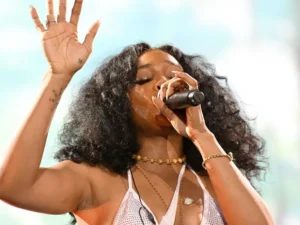



A recent conversation about sonic identity in hip-hop has fans and artists buzzing, centering on Drake’s use of a Jamaican accent. At the heart of the discussion is none other than Sean Paul, who weighed in on the nuances of accent, cultural homage, and artistic experimentation.
During a candid interview, Sean Paul addressed Drake’s attempt at Jamaican inflection with a mix of critique and humor. While acknowledging the stylistic choice, he admitted his own North American cadence could face similar scrutiny.
“It ain’t that great… But it’s a thing,” Paul said, highlighting pride in Jamaican culture’s global reach.
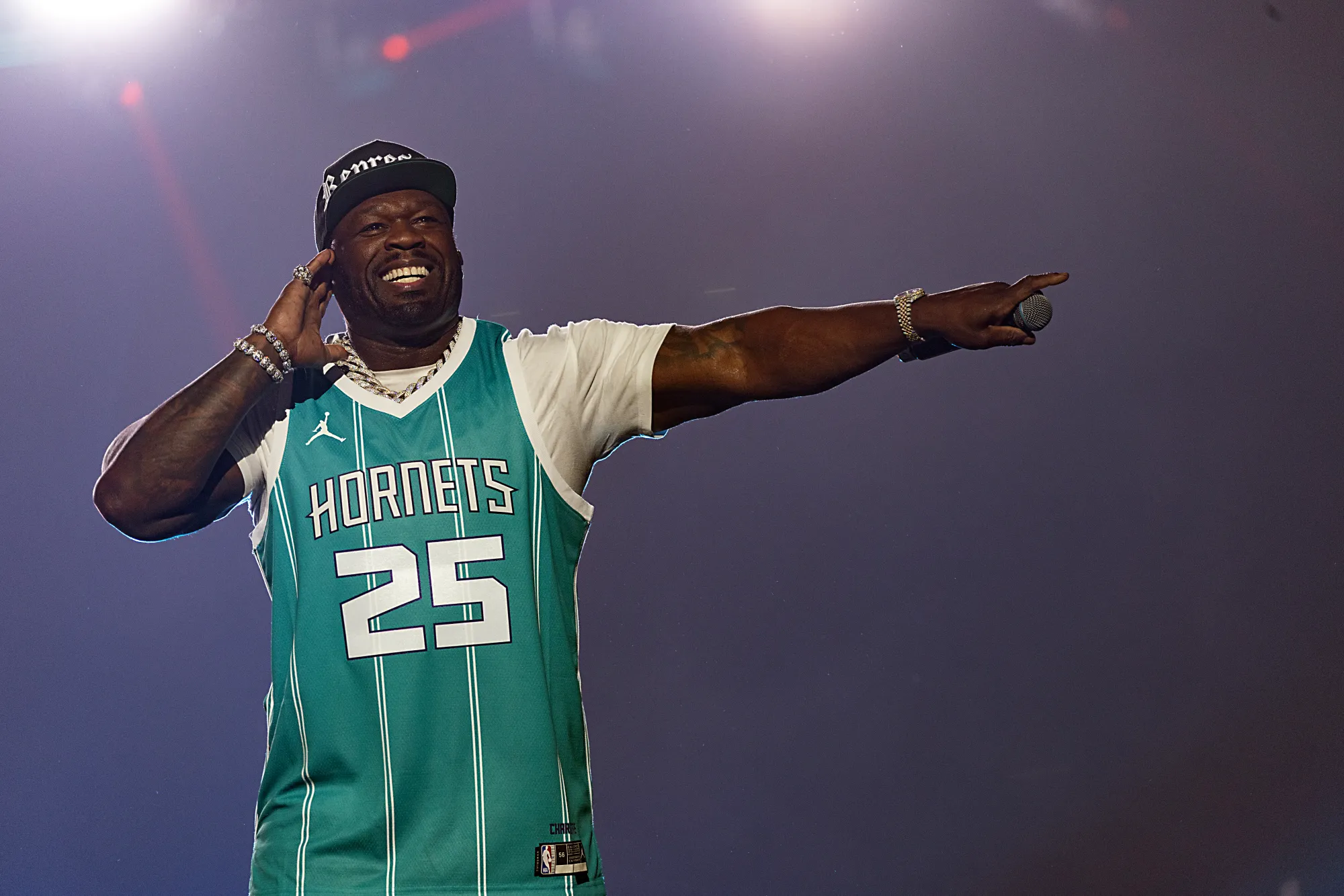
His comments illustrate the delicate balance in hip-hop between homage and authenticity, and the value of celebrating cross-cultural exchange rather than criticism.
Drake’s Global Style Sparks Conversation
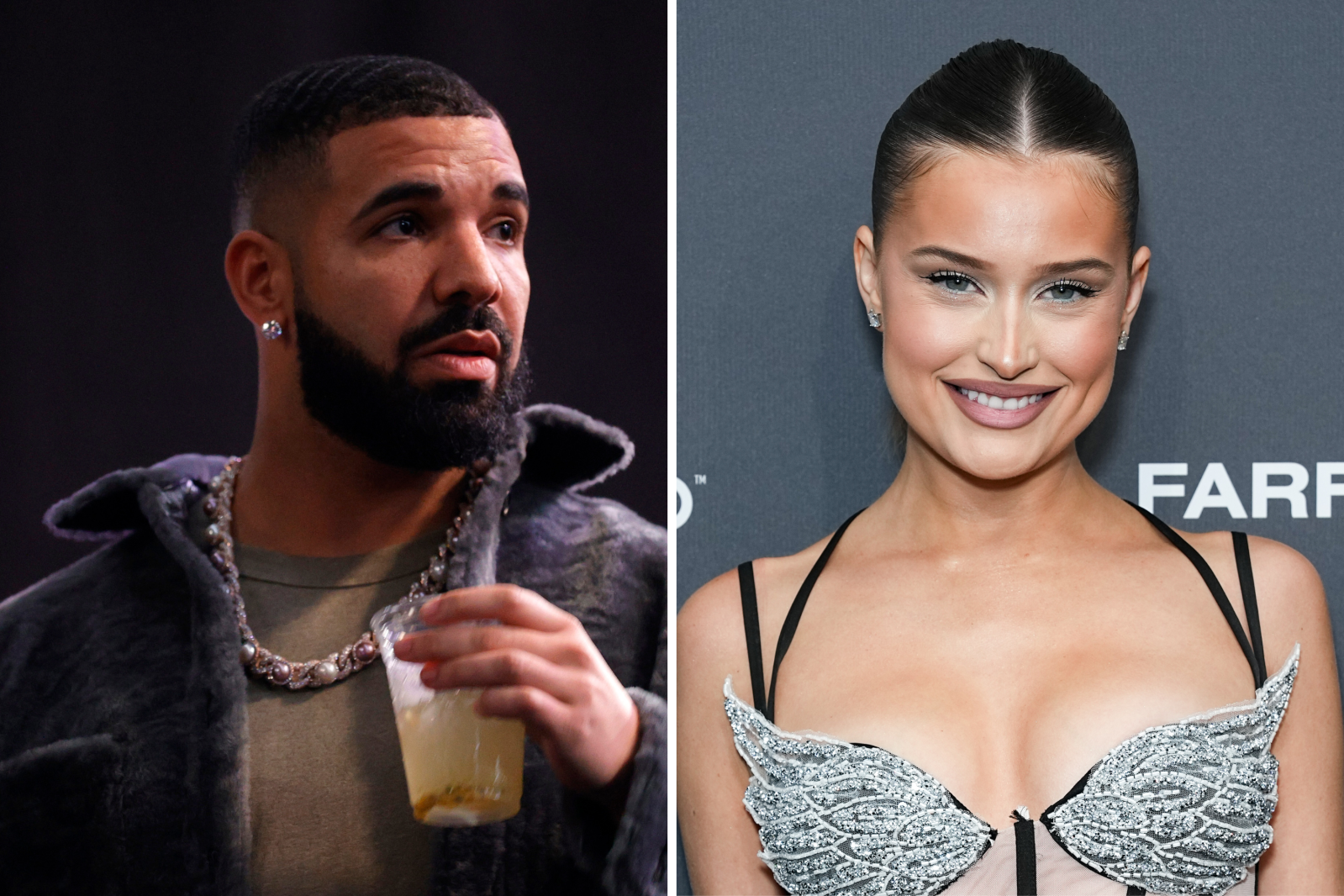
Drake is no stranger to experimenting with linguistic and cultural markers. Beyond Jamaican patois, he frequently incorporates U.K. grime slang and even Spanish lyrics in collaborations with global stars like Bad Bunny and Fuerza Regida.
These stylistic experiments have sparked debate: Where does admiration end and cultural appropriation begin? Fans and critics alike have weighed in, some praising Drake’s versatility, while others question his authenticity in adopting accents outside his own cultural experience.
Influence Beyond Accents: Drake vs. Kendrick Lamar
The conversation about accents also intersects with hip-hop influence and legacy. During a recent stream with Adin Ross, Young Thug commented on Drake’s impact:
“Drake just did more, he put more people on. Kendrick Lamar got a hell of an impact. He’s for sure No. 1 ever in life who could possibly come out of L.A.”
Thug’s remarks highlight a critical point: influence in hip-hop isn’t just about sound or style—it’s about lifting other artists, shaping culture, and leaving a lasting footprint.
Sean Paul’s Take on Cultural Exchange
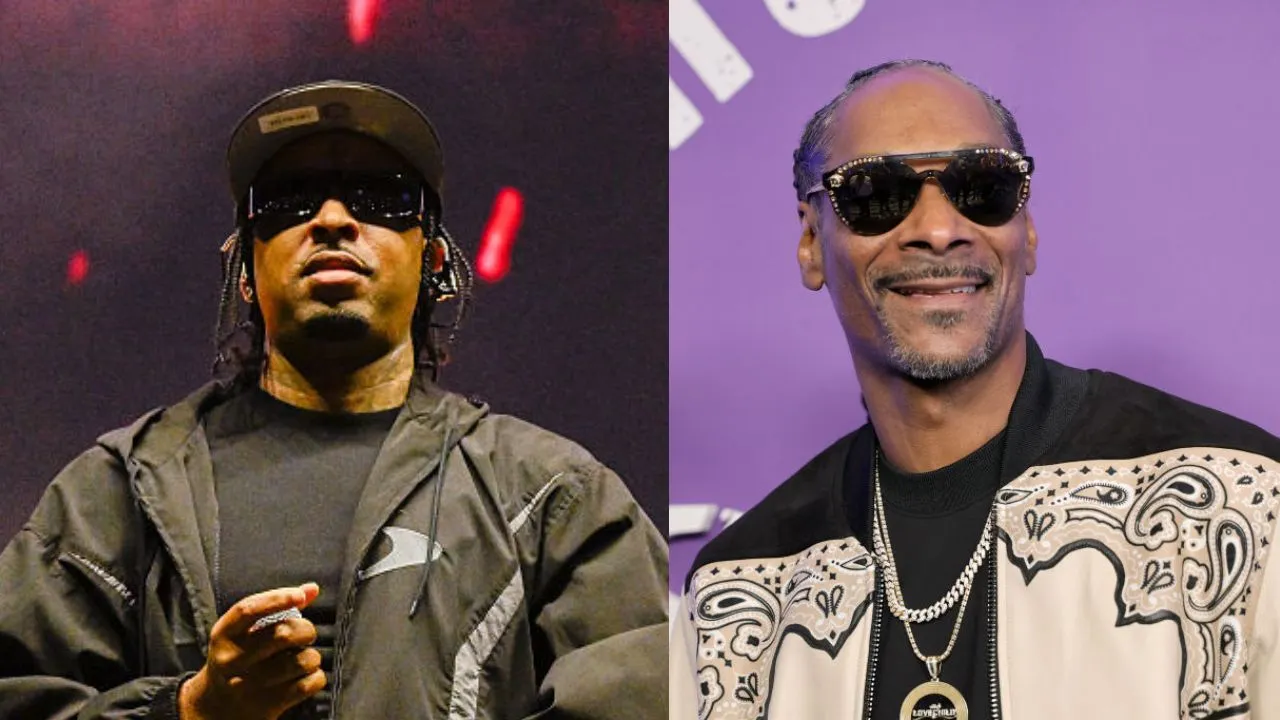
By weighing in on Drake’s accent, Sean Paul underscores a larger theme: respecting cultural origins while allowing music to evolve globally. His reflections reveal deep appreciation for hip-hop’s dynamism and its openness to experimentation without erasing authenticity.
“When artists lift cultural markers, it should be celebrated, not critiqued,” Paul explained, emphasizing the importance of cultural pride and collaboration.
This conversation isn’t just about accent—it’s a reflection of hip-hop’s global influence, its ability to absorb diverse sounds, and the role artists play in bridging musical cultures.
What Fans Are Saying
Social media has lit up with opinions:
- Some applaud Drake’s global reach and willingness to experiment with accents and styles.
- Others side with Sean Paul, arguing that authenticity matters and cultural context should be honored.
- Memes, reaction videos, and TikTok commentary are already trending, showing that this debate resonates far beyond music forums.
As hip-hop continues to expand internationally, conversations like this demonstrate that identity, influence, and creativity remain central to the genre. Accents may shift, but the cultural imprint of artists like Sean Paul and Drake is undeniable.
Stay tuned for more exclusive updates on hip-hop debates, artist influence, and the evolving sound of the genre!