



Artificial intelligence may be advancing faster than any of us can process — but Tristan Harris says that’s exactly the problem. And unless the world unites to regulate it, the future could turn into a nightmare.
The former Google design ethicist and co-founder of the Center for Humane Technology appeared on TMZ Live Friday, dropping an unfiltered reality check about the escalating A.I. arms race between the United States, China, and other global powers.
According to Harris, while governments are competing to unleash more advanced A.I. at breakneck speed, they’re completely missing the point.
“The race shouldn’t be about who can build the biggest, baddest A.I.,” Harris warned. “It should be about who can regulate it — and that requires the whole world working together.”
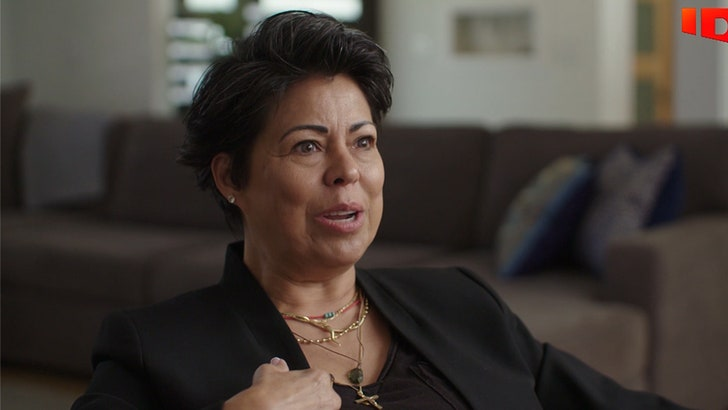
Why Tristan Harris Says A.I. Regulation Is Urgent
Harris has long been a voice urging caution on runaway technology. He famously warned about social media’s addictive design years before it became a mainstream concern — and now he’s setting off alarms about A.I.
His biggest fear? That without coordinated oversight, artificial intelligence could spiral beyond human control.
He pointed to risks like:
- Disinformation at scale — A.I. tools rewriting history and manipulating elections.
- Economic upheaval — Millions of jobs replaced before societies can adapt.
- Autonomous weapons — Machines making life-or-death decisions without human checks.
- Erosion of reality — From deepfakes to synthetic voices, blurring the line between truth and fiction.
“This isn’t just about tech innovation,” Harris stressed. “This is about civilization itself.”


A Playbook From the Past: The Ozone Hole
Despite the chilling warning, Harris says there’s still reason to hope — because humanity has faced global existential threats before … and actually won.
He drew a comparison to 1987’s Montreal Protocol, when 139 countries came together to tackle the ozone crisis. At the time, scientists warned that chemicals in aerosol sprays and refrigerants were ripping open a hole in Earth’s protective ozone layer.
The world listened, acted, and signed an international agreement to ban harmful CFCs. The result? The ozone layer is now healing.
Harris says that exact same spirit of international cooperation is needed today — but this time, to save us from ourselves.

U.S. vs. China: From Competition to Collaboration
Right now, the U.S. and China are locked in what some call a digital Cold War — each racing to out-develop the other in A.I. dominance.
But Harris insists both countries would benefit far more from collaboration than competition.
“Nobody wins if A.I. spirals out of control,” he said. “China doesn’t want to live in a dystopia any more than America does.”
The challenge, however, is building trust between rival nations at a time when global politics are already frayed.

Bottom Line: A.I. Could Rewrite Reality
Harris’ words cut through the hype: A.I. isn’t just another gadget or app — it’s a civilization-shaping force. Left unchecked, he warns it could “straight-up rewrite reality” in ways society isn’t ready for.
The question now is whether world leaders can come together in time — before the technology races ahead faster than humanity can respond.
📲 Your Turn: Do you believe world governments can actually unite to regulate A.I. — or is it already too late? Drop your thoughts in the comments below.
🔥 Stay with TPR for the latest on A.I., tech culture, and how it’s shaping your future.