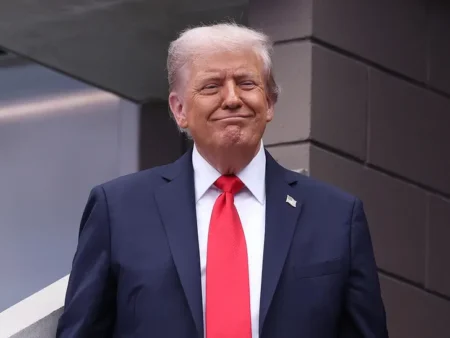




President Donald Trump’s name has resurfaced in the Jeffrey Epstein saga—and this time, it’s tied to a deeply disturbing allegation contained in a previously unclassified FBI intake document.
According to newly reviewed records, Trump is mentioned multiple times in an FBI National Threat Operations Center report from October 2020, where a civilian caller relayed explosive claims involving Trump, Jeffrey Epstein, and Ghislaine Maxwell. The document has ignited intense debate online—while also prompting firm pushback from the Department of Justice.
Here’s what the file says—and, just as importantly, what it does not say.
What the FBI Intake Document Contains
The document in question is an unclassified FBI intake form, essentially a summary of a tip provided by a member of the public. These forms record information as it is received and do not indicate verification, corroboration, or follow-up investigation.
In this case, the intake report states that a caller contacted the FBI to share “potential information” related to Epstein and Maxwell.
Within the report:

- A redacted individual is quoted as saying, “he raped me,” in reference to Donald Trump
- The same redacted name allegedly stated that “Donald J. Trump had raped her along with Jeffrey Epstein”
- The age of the alleged victim is not specified
- No evidence or corroboration is provided in the document
- The report does not indicate whether the FBI investigated or substantiated the claim
It’s crucial to note: an FBI intake form is not a finding of fact. It is a record of what someone told authorities—not a determination of truth.
Claims of a 1997 Hotel Encounter
The intake report also includes another alarming claim attributed to a redacted source.
According to the summary, the individual said she once met a woman who allegedly:
- Invited her daughters to a “fancy hotel”
- Where they reportedly met Donald Trump and some of his friends
- The alleged encounter was said to have occurred in 1997
Again, the document offers no corroboration, no names, and no indication that the claim was investigated.
Limo Driver Allegation Adds to the File
Trump’s name appears again in the intake report through a separate claim.
A person told the FBI they previously worked as a limo driver in the Dallas–Fort Worth area and alleged that:

- They once picked up Trump and drove him to DFW Airport
- During the ride, they allegedly overheard Trump on the phone
- The caller claimed Trump repeatedly said the name “Jeffrey”
- And made references to “abusing some girl”
As with the other claims, this allegation is unverified, unnamed, and unsupported by evidence within the document.
DOJ Responds: “Sensationalized and False”
Following renewed attention to the Epstein-related files, The White House referred inquiries to a Department of Justice statement, which strongly cautioned against taking all claims at face value.
According to the DOJ, some evidence within the Epstein files is “sensationalized and false,” specifically pointing to allegations:
“Made against President Trump that were submitted to the FBI right before the 2020 election.”
The timing of the intake report—October 2020, just weeks before Election Day—has raised questions among critics about political motivations behind certain submissions.
No Corroboration, No Charges, No Findings
It bears repeating:

- Donald Trump has not been charged in connection with these claims
- The FBI document does not confirm the allegations
- There is no indication of an investigation or findings tied to this specific tip
FBI intake forms are designed to log information, not validate it.
Epstein, Maxwell, and Trump: A Complicated History
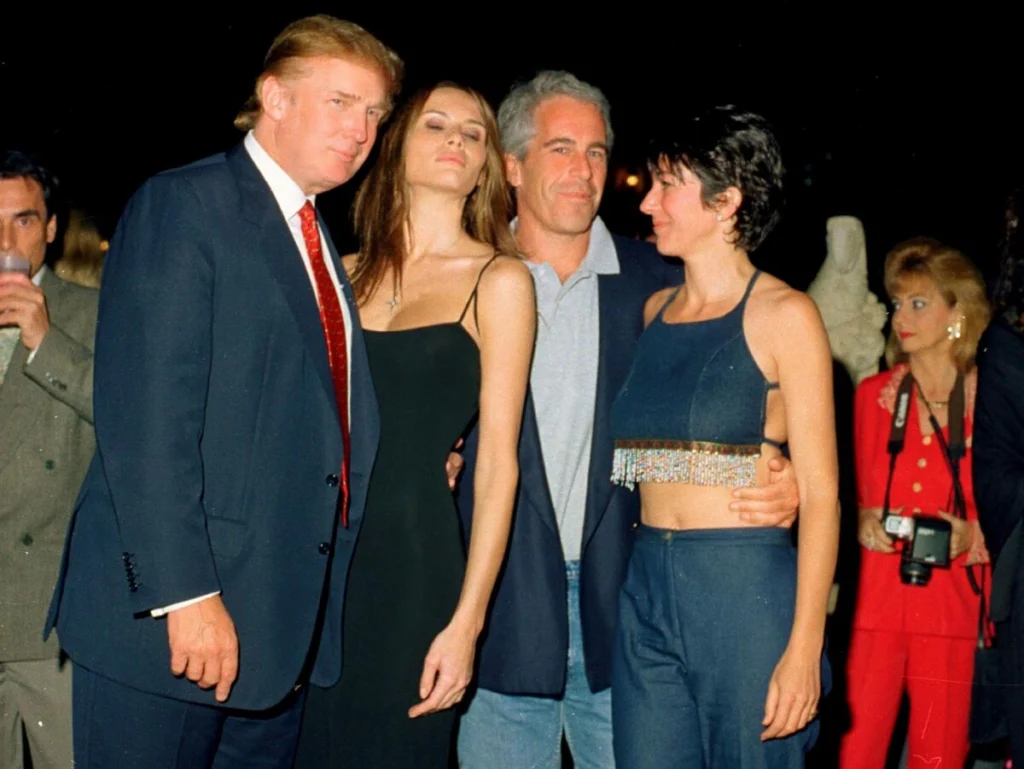
Trump and Epstein were photographed together in the 1990s and early 2000s, a fact that has circulated widely for years. Trump has previously stated that he cut ties with Epstein long before Epstein’s arrest, and he has denied any wrongdoing.
Ghislaine Maxwell, Epstein’s longtime associate, was convicted in 2021 of sex trafficking-related crimes and is currently serving a federal prison sentence. Trump is not implicated in her conviction.
Legal Experts Urge Caution
Legal analysts warn that resurfaced documents like these can easily be misunderstood.
An intake report:
- Is not sworn testimony
- Is not evidence
- Does not imply guilt
Experts emphasize that repeating unverified claims without context risks spreading misinformation—especially when names as prominent as Trump’s are involved.

Public Reaction: Shock, Skepticism, and Political Firestorms
News of Trump’s name appearing in the Epstein FBI files quickly exploded across social media, triggering:
- Outrage from critics
- Calls for transparency
- Skepticism from legal analysts
- Accusations of election-era political weaponization
As expected, reactions largely split along political lines.
What Happens Next?
At this time:
- The DOJ has not announced any new investigation
- Trump’s team has not issued a direct statement beyond the DOJ response
- Ghislaine Maxwell’s attorney has not responded to media inquiries
Unless new evidence emerges, the intake report remains a record of an unverified claim—not a legal determination.
The Bottom Line
Donald Trump’s name appearing in an FBI Epstein intake document is undeniably shocking—but context matters.
These allegations:
- Are unverified
- Appear in a civilian tip summary
- Lack corroboration or investigative findings
- Are disputed by the Department of Justice
In an era of viral headlines and political tension, separating documented fact from recorded allegation is critical.
What do YOU think about Trump’s name appearing in the Epstein FBI files?
Should all tips be made public—or does this risk spreading unproven claims? Drop your thoughts below and stay locked to The Pop Radar for ongoing updates as this story continues to unfold.