


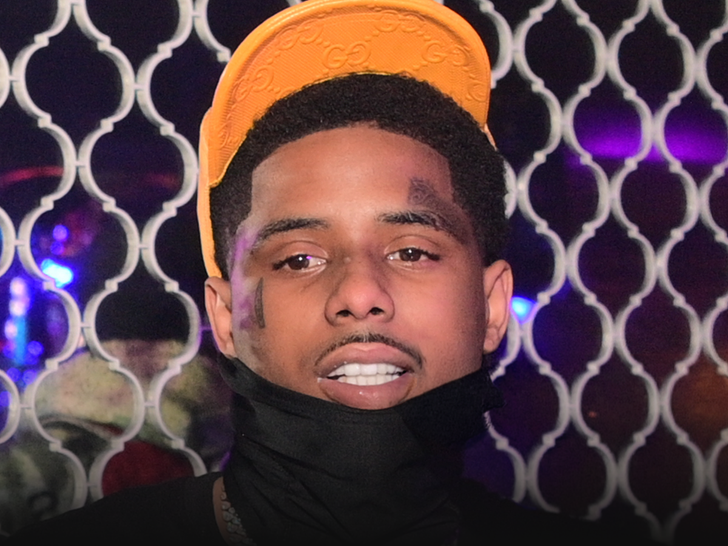
Most artists try to get out of a bad record deal with a lawyer and a strongly worded letter. According to federal prosecutors, Pooh Shiesty had a different approach — and it allegedly involved a music studio in Dallas, a kidnapping, and Gucci Mane on the wrong end of the situation.
On Friday, Pooh Shiesty stood before a federal judge in Texas and said two words: not guilty.
But the charges federal prosecutors have laid out are anything but simple — and the story behind them is one of the most jaw-dropping legal cases hip-hop has seen in years
Pooh Shiesty was arraigned Friday in federal court in Dallas, where his attorney Kent Schaffer confirmed to TMZ that the rapper entered a not guilty plea to all charges against him. That includes federal robbery and kidnapping charges — serious weight for any defendant, let alone one whose music career had only recently gotten back on track.
The alleged incident goes back to January, when federal prosecutors claim Pooh Shiesty, his father, and seven other defendants descended on a Dallas recording studio and robbed and kidnapped Gucci Mane and others inside.
The motive, according to the feds? Pooh allegedly wanted out of his recording contract with Gucci — and apparently decided a studio confrontation was the way to make that happen.
That’s not even the wildest part.
Pooh’s own father is a co-defendant in the case. His father previously entered a not guilty plea. Fellow Memphis rapper Big30 is also among the defendants and has done the same.

As of Friday, Pooh Shiesty remains behind bars. A judge already rejected his bid for bond, meaning he’s sitting in custody as he waits for this case to move forward — and given the federal nature of the charges, that wait could be a long one.
Pooh Shiesty — born Lontrell Dennell Williams Jr. — first broke through in 2020 with his mixtape Shiesty Season, establishing himself as one of Memphis rap’s most promising voices. His rise was rapid and his buzz was real. Then came a 2021 guilty plea on a firearms charge that sent him to federal prison, where he served time before his release in 2023.
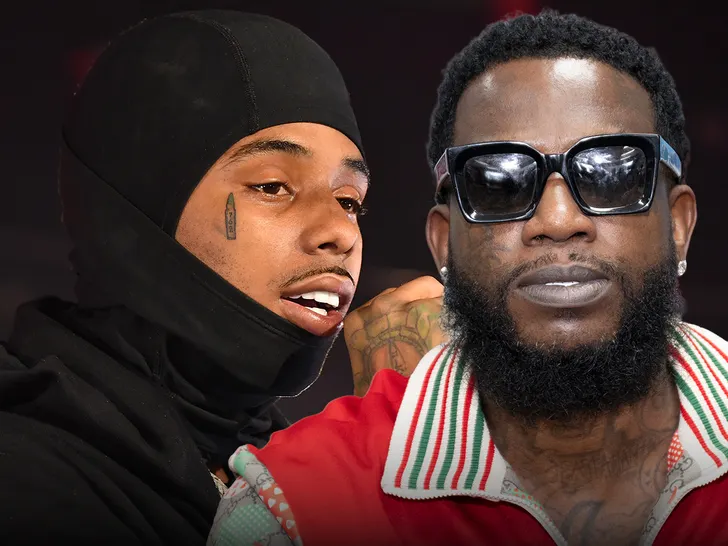
His return to music was closely watched. He had signed to Gucci Mane’s 1017 Records early in his career — a deal that helped launch him but that, according to prosecutors, had become a serious source of tension.
Gucci Mane, for his part, is one of Atlanta’s most enduring rap figures — a pioneer of trap music who built 1017 Records into a genuine hitmaking operation. The idea that a contractual dispute between him and one of his signees allegedly escalated to a federal kidnapping charge inside a Dallas studio is the kind of story that would sound fictional if the court documents didn’t exist.

The moment federal kidnapping charges surfaced with Gucci Mane’s name attached, the internet went into immediate overdrive. “A KIDNAPPING OVER A RECORD DEAL” trended almost instantly — the all-caps energy in comment sections matching the sheer disbelief of the situation.
Fans immediately noticed the layers: this wasn’t just a legal story, it was a story about power, contracts, and what allegedly happens when an artist feels trapped with no way out. The phrase “getting out of your record deal” took on a very different meaning in real time.
Within hours, music industry Twitter was doing what it does best — equal parts shocked commentary, dark humor, and genuine concern about what this means for everyone involved.
Some fans were quick to point out that bad record deals have been a recurring theme in hip-hop conversations for years — and that this case, whatever the outcome, was going to reignite that debate at full volume. “The music industry really has artists feeling like there’s no legal way out,” read one widely shared post.

Others focused on the not guilty plea itself — noting that federal cases are notoriously difficult to fight, and that Pooh’s decision to contest the charges rather than negotiate suggests his legal team believes there’s a real defense to be made.
It’s unclear how Gucci Mane is responding publicly — he has not commented on the arraignment. Sources have stayed quiet on his side, which is notable given how high-profile the case has become.
Pooh Shiesty was twenty-three years old when he first went to federal prison. He came home, rebuilt his momentum, and by all appearances was working toward the kind of second act that hip-hop loves to celebrate. Now he’s back in custody, facing charges that carry serious federal time, with his father sitting at the defendant’s table beside him.
Whatever the truth of what happened in that Dallas studio, the human cost of this situation is already significant. A family caught up in a federal case together is never just a legal story — it’s a personal one, with consequences that extend far beyond any verdict.
Here’s the detail that keeps stopping people mid-scroll: Pooh Shiesty allegedly didn’t send a lawyer, didn’t file a lawsuit, didn’t leak to the press. According to federal prosecutors, he showed up in person — with his dad and seven other people. If the charges are true, it’s the most extreme contract renegotiation in music industry history. If they’re not, someone has a lot of explaining to do.
Pooh Shiesty says he’s innocent, his lawyer says he’s innocent, and a federal jury will eventually decide. In the meantime, the music industry might want to revisit its contract clauses — apparently the stakes have never been higher. What exactly happened in that Dallas studio?
