


Jasmine Adeoye’s story is raising alarm bells nationwide after she revealed how she became addicted to the viral herbal beverage “Feel Free” — a drink laced with kratom, a controversial substance the FDA calls opioid-like.
In a candid chat on TMZ Live Monday, Jasmine opened up about her harrowing experience. What started as a single drink to help her sober up from binge drinking quickly spiraled out of control — and before she knew it, she was downing up to 12 bottles a day.
What Is “Feel Free,” and Why Is It So Dangerous?
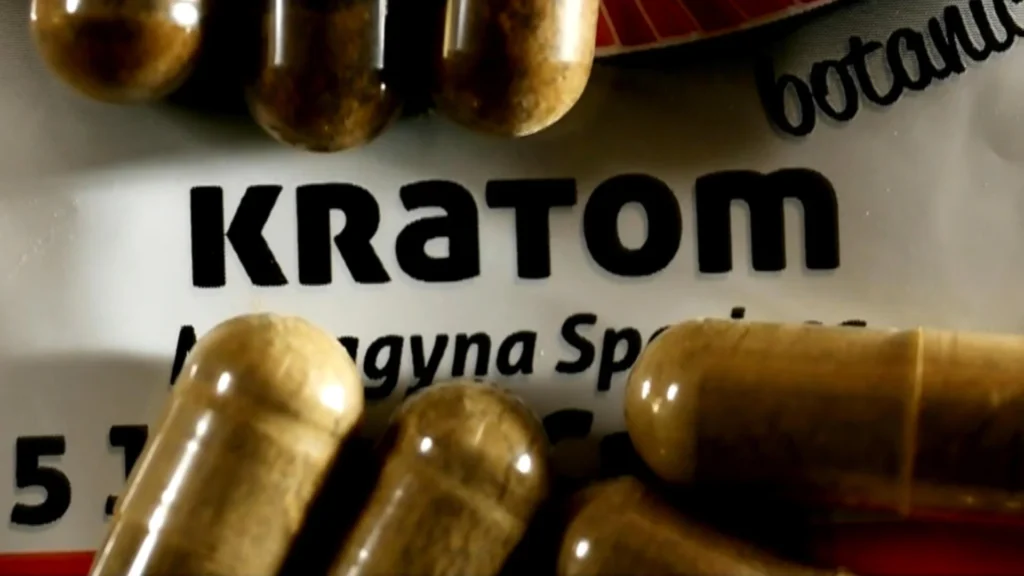
“Feel Free” is a herbal energy drink that has gained popularity online, especially on platforms like TikTok. Marketed as a wellness booster, the beverage contains kratom — a plant extract that has effects similar to opioids and painkillers.
The FDA declared kratom an opioid-like substance back in 2018, warning of its risks. However, many consumers, including Jasmine, had no idea this ingredient was part of the drink they were consuming.
Jasmine described the sensation as “euphoric,” comparable to the high from prescription painkillers, which is what made the drink so dangerously addictive.
From Wellness Cure to Full-Blown Addiction
Jasmine’s journey began when she searched for a healthier alternative to alcohol. She first heard about “Feel Free” on a wellness podcast, believing it was a safer option to help her stay sober.
But what she thought was a harmless herbal tonic became a daily dependency. Gradually, her consumption escalated — from one bottle a day to a staggering 12 bottles daily at the peak of her addiction.
FDA Warnings and State Bans: Are They Enough?
Despite the growing concerns, “Feel Free” is still widely available over the counter in many areas. The FDA has issued warnings against kratom products like this drink, and some states have moved to ban it altogether.
But Jasmine argues that these measures don’t go far enough. Based on her experience, the drink should not be sold freely — it’s too addictive and can cause serious health consequences.
Social Media Sounding the Alarm
Warnings about “Feel Free” have been spreading fast on TikTok and other social media platforms, where users share stories of addiction and health scares tied to the kratom-laced beverage.
Jasmine’s story adds a personal, urgent voice to the conversation — showing how something marketed as wellness can mask a hidden danger.
What You Need to Know
- Kratom is opioid-like and can cause addiction and euphoria similar to painkillers.
- “Feel Free” contains kratom but doesn’t clearly disclose it on packaging.
- Users may unknowingly consume high amounts, risking addiction.
- Some states have banned “Feel Free,” but it’s still sold in many places.
- The FDA warns against kratom products but doesn’t regulate them fully.
Final Thoughts: What’s Next for “Feel Free”?
Jasmine’s experience is a cautionary tale about the growing herbal supplement trend — and the hidden risks behind viral wellness products.
If you or someone you know is using “Feel Free” or other kratom products, be aware of the potential dangers and watch for signs of dependency.
What are your thoughts on kratom drinks like “Feel Free”? Have you or someone you know tried it? Drop a comment below! Stay tuned for more exclusive updates on health and wellness alerts.
