


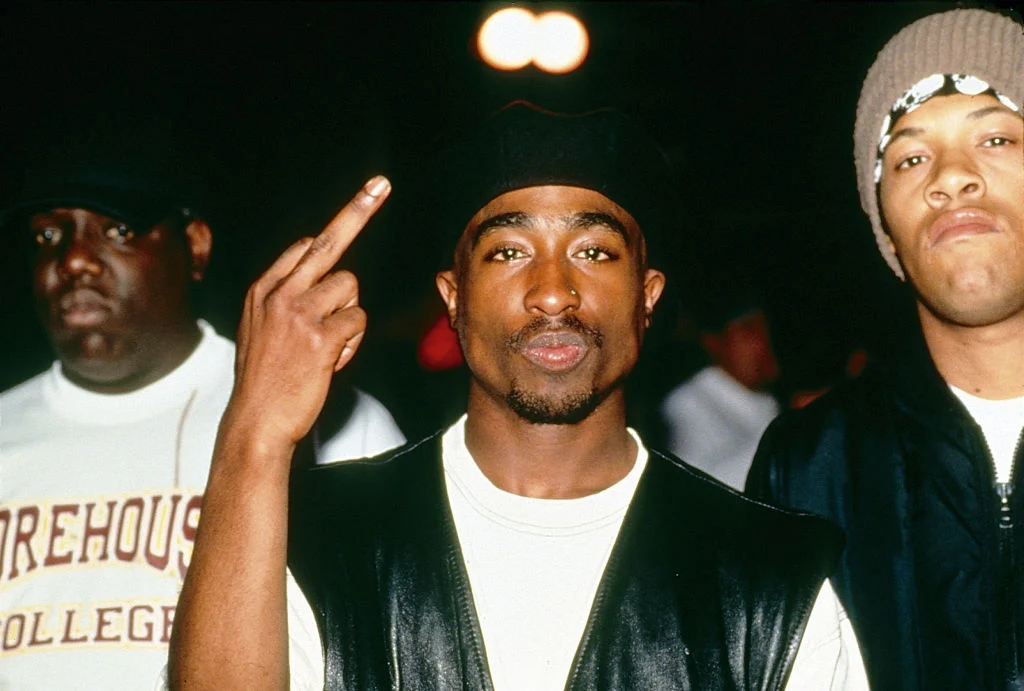
With jury selection underway in the murder trial of Tupac Shakur, Reggie Wright Jr. is looking toward the courtroom as a chance for long-running questions surrounding the rapper’s death to finally be addressed.
Wright, the former head of security for Death Row Records, says he hopes prosecutors will get answers during the proceedings, particularly after defendant Duane “Keefe D” Davis has pointed the finger at him.
Wright is expected to testify for the prosecution and is maintaining his innocence. He also believes the trial could challenge several theories that have circulated around Tupac’s 1996 killing.
Wright recently sat down with TMZ to discuss the upcoming trial and the allegations that have placed his name back in the spotlight.
According to the report, Davis has attempted to place responsibility for Tupac’s death on Wright, claiming that the former Death Row security chief orchestrated the killing.
Wright strongly disputes that accusation.

Rather than appearing concerned about the speculation surrounding his name, Wright says he is hopeful the trial will bring clarity to questions that have remained unresolved for years.
That makes his expected appearance as a prosecution witness particularly significant.
Wright is not simply commenting from the sidelines. He is expected to take the witness stand as prosecutors present their case against Davis, giving jurors an opportunity to hear directly from someone who was closely connected to Death Row Records during the era surrounding Tupac’s death.
Wright also believes the proceedings could do more than address the accusations against Davis.
He says the trial may debunk some major theories while confirming other details that have circulated about the case.
That distinction could become important as prosecutors and defense attorneys present evidence and testimony before the jury.

For years, Tupac’s killing has generated competing theories about who was responsible and why the rapper was targeted. Wright’s name has now been pulled into that conversation through Davis’ allegations, but Wright continues to maintain that he had no role in orchestrating the murder.
The case therefore puts Wright in an unusual position: he is defending himself against allegations while preparing to appear as a witness for the prosecution.
And with jury selection underway, the questions surrounding his potential testimony are moving from speculation toward the courtroom.
Tupac Shakur was killed in Las Vegas in September 1996 after he was shot in a drive-by shooting. His death became one of the most enduring mysteries in hip-hop history, with theories about the circumstances surrounding the killing continuing for decades.
Wright was the former head of security at Death Row Records, the influential label associated with Tupac during the final years of his life.
Davis, meanwhile, is the defendant facing trial in connection with Tupac’s murder. Prosecutors allege that he was involved in the killing, while Davis has previously discussed the events surrounding Tupac’s shooting and, according to the report, has attempted to shift responsibility toward Wright.

Wright rejects that accusation and says he is not worried about the speculation.
Now, his expected testimony could put those competing accounts under direct scrutiny.
Few unresolved stories in music history have generated as much attention as Tupac Shakur’s murder.
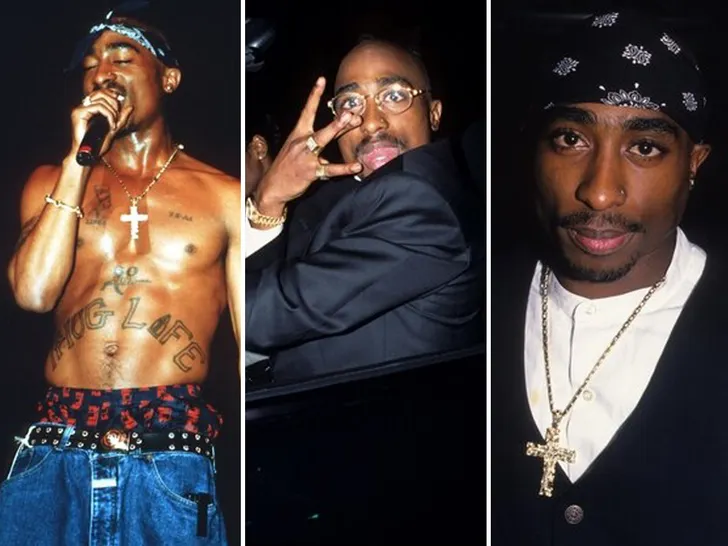
The trial represents a major moment in a case that has remained in the public conversation for decades. Every piece of testimony could potentially reshape how fans understand the events surrounding the rapper’s final night.
For Wright, the stakes are also personal. His name has been drawn into the case through Davis’ claims, while he is simultaneously expected to testify for prosecutors.
His position is straightforward: he maintains his innocence and believes the courtroom process will help separate established facts from theories.
That makes his testimony one of the developments to watch as the trial moves forward.
More than three decades of speculation have made Tupac’s death bigger than a single criminal case. It has become part of hip-hop’s cultural history, with fans continuing to debate what happened and who was responsible.
For Wright, however, the allegations are not simply another chapter in a famous mystery. He is directly disputing claims that implicate him and is now preparing to address the case as a prosecution witness.
His hope is that the trial will finally provide a clearer distinction between what can be proven and what has remained theory.
As jury selection moves forward, Reggie Wright Jr. is betting that testimony and evidence—not decades-old speculation—will determine what the public ultimately learns about Tupac Shakur’s murder.
The courtroom is now set to take its turn in one of hip-hop’s most closely watched cases.
