


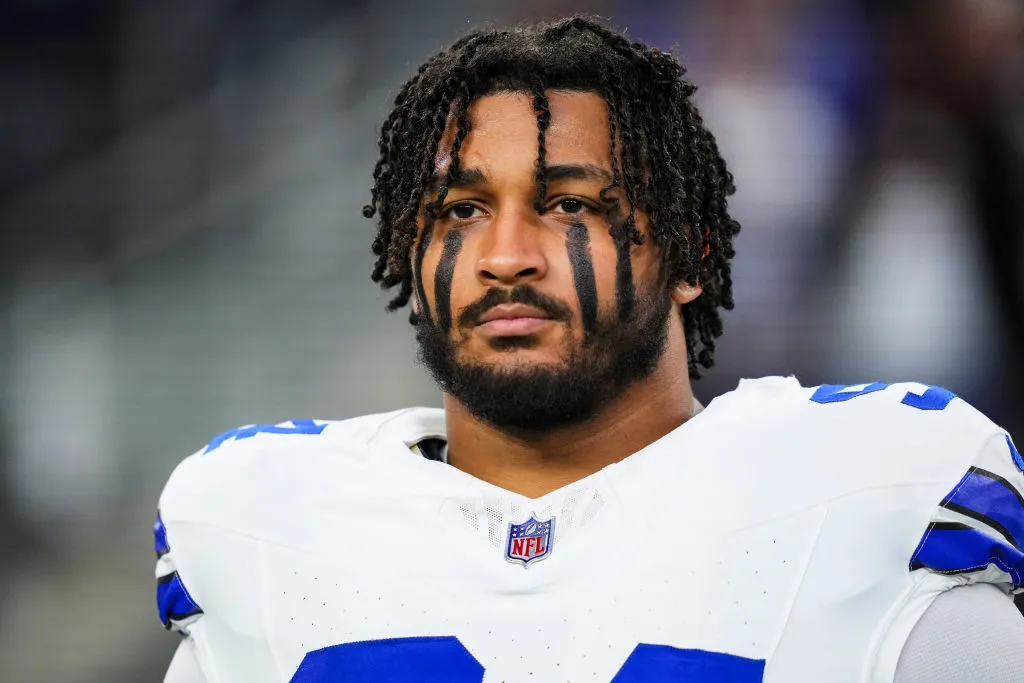
Former NFL player Marshawn Kneeland was diagnosed with stage 1 chronic traumatic encephalopathy (CTE) following a posthumous examination of his brain, according to the Concussion & CTE Foundation.
Kneeland died by suicide at the age of 24 in November 2025. After his death, his brain was donated for research, leading experts to identify early-stage CTE.
The diagnosis does not determine every factor that contributed to his death, but researchers and his family say it provides important context about the challenges some athletes in high-contact sports may face.
His family has chosen to share the findings publicly in hopes of increasing awareness about CTE and brain health.
“While this diagnosis does not change the tragedy of his passing, it provides important context about some of the struggles he may have been facing,” Kneeland’s family said in a statement.

They added that they want people to better understand the experiences of NFL players and other athletes involved in contact sports.
Researchers Explain Kneeland’s CTE Diagnosis
Dr. Ann McKee, director of the Boston University CTE Center and chief of neuropathology for the VA Boston Healthcare System, said Kneeland’s diagnosis was not unexpected based on previous research involving former athletes.
“Unfortunately, I was not surprised to find CTE in the brain of Mr. Kneeland,” McKee said.
She explained that researchers have identified the progressive brain disease in many athletes studied after death, including younger athletes.
McKee noted that studying donated brains has helped scientists better understand the earliest stages of CTE and continues to support efforts toward identifying possible treatments and methods for diagnosis during life.

Experts Warn CTE Remains a Major Sports Health Issue
Dr. Chris Nowinski, CEO of the Concussion & CTE Foundation, said Kneeland’s case highlights ongoing concerns about repeated head impacts in football.
Nowinski pointed out that Kneeland played during an era with improved concussion protocols and helmet technology, yet researchers still found evidence of CTE.
“Concussion protocols do not prevent CTE, because CTE is caused by repeated head impacts, not just concussions,” Nowinski said.
He argued that reducing CTE risk requires broader prevention efforts focused on limiting the number and intensity of head impacts athletes experience throughout their careers.
Researchers have long studied the connection between repetitive head impacts and CTE, though much about the disease—including why some athletes develop symptoms while others do not—continues to be examined.

Family Wants Marshawn Kneeland Remembered Beyond His Diagnosis
Kneeland’s family emphasized that they do not want his life defined only by the circumstances surrounding his death or his medical diagnosis.
Instead, they said they want people to remember him for who he was as a person.
“We continue to remember Marshawn with compassion for the person he was, rather than defining him by the final moments of his life,” the family said.
Their decision to share the CTE findings was aimed at creating awareness rather than speculation about his personal struggles.
Why the Diagnosis Matters
CTE has become one of the most discussed health issues in football and other contact sports.

The condition is associated with repeated head impacts and can only currently be diagnosed after death through brain examination.
Cases involving young athletes have increased attention on questions surrounding player safety, long-term brain health, and how sports organizations can reduce risks.
Kneeland’s diagnosis adds another chapter to the ongoing conversation about protecting athletes at every level of competition.
Human Angle
Behind the research and medical findings is a family remembering a young man whose life extended far beyond football.
By sharing the diagnosis, Kneeland’s loved ones hope his story can contribute to greater understanding of CTE and encourage conversations about athlete health.
They continue to honor his memory while asking that he be remembered for the person he was, not only the tragedy surrounding his passing.
