

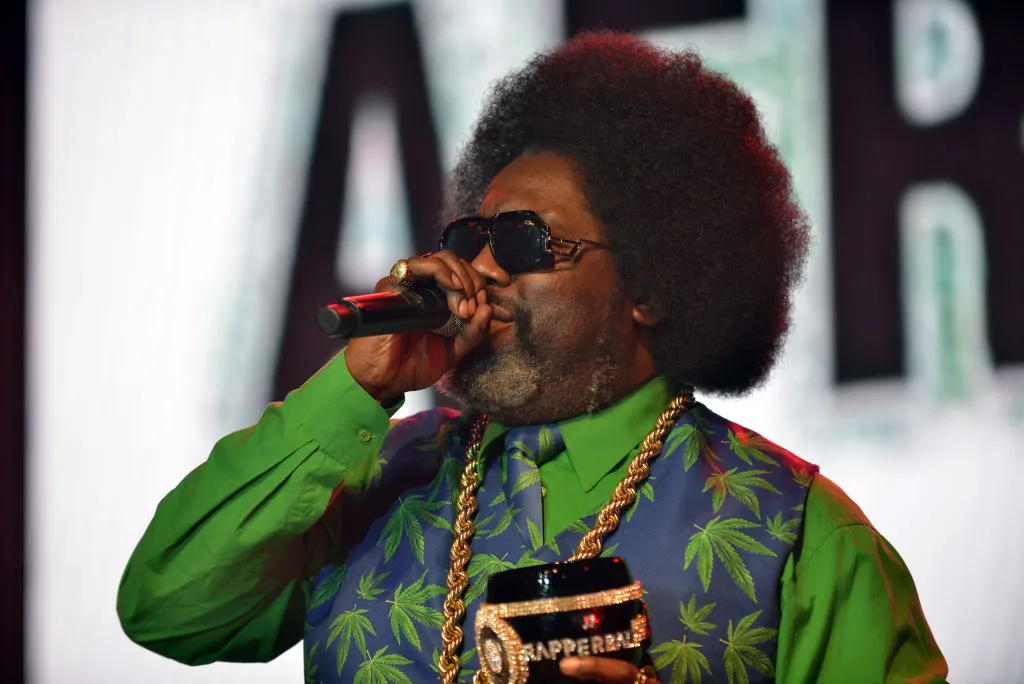
The courtroom turned emotional this week as a legal battle between Afroman and a group of Ohio law enforcement officers took a dramatic turn — complete with tears, tension, and a viral music video at the center of it all.
What started as a controversial police raid in 2022 has now exploded into a high-profile lawsuit raising serious questions about privacy, profit, and artistic freedom.
And yes… it’s getting messy.
Courtroom Drama: Deputy Breaks Down in Tears
During a heated hearing on Tuesday, one moment stood out above all.
Lisa Phillips — one of the officers involved in the original raid — reportedly became visibly emotional while watching footage of herself featured in Afroman’s music videos.
The clips, pulled directly from the rapper’s home surveillance system, were used in multiple releases — including the now-infamous track “Lemon Pound Cake” and a more targeted video titled “Licc’em Low Lisa.”
As the footage played in court, Phillips broke down, highlighting just how personal the case has become for those involved.
The Lawsuit: Officers Want Compensation
Phillips isn’t alone.
In total, the lawsuit includes:
- 4 deputies
- 2 sergeants
- 1 detective
Together, they claim Afroman used their likenesses without permission — and then profited from it.
They are now seeking compensation tied to:
- Music video revenue
- Song earnings
- Merchandise sales
- Concert ticket profits
In short, they want a cut of everything tied to the viral content.
The 2022 Raid That Started It All
To understand the case, you have to go back to the beginning.
In 2022, authorities in Adams County executed a search warrant at Afroman’s home, citing probable cause related to narcotics and kidnapping allegations.
But here’s where things take a turn:
👉 No criminal evidence was found.
Despite the serious nature of the warrant, investigators left the property empty-handed — a fact that would later fuel Afroman’s public response.
From Raid to Rap: Afroman’s Viral Clapback
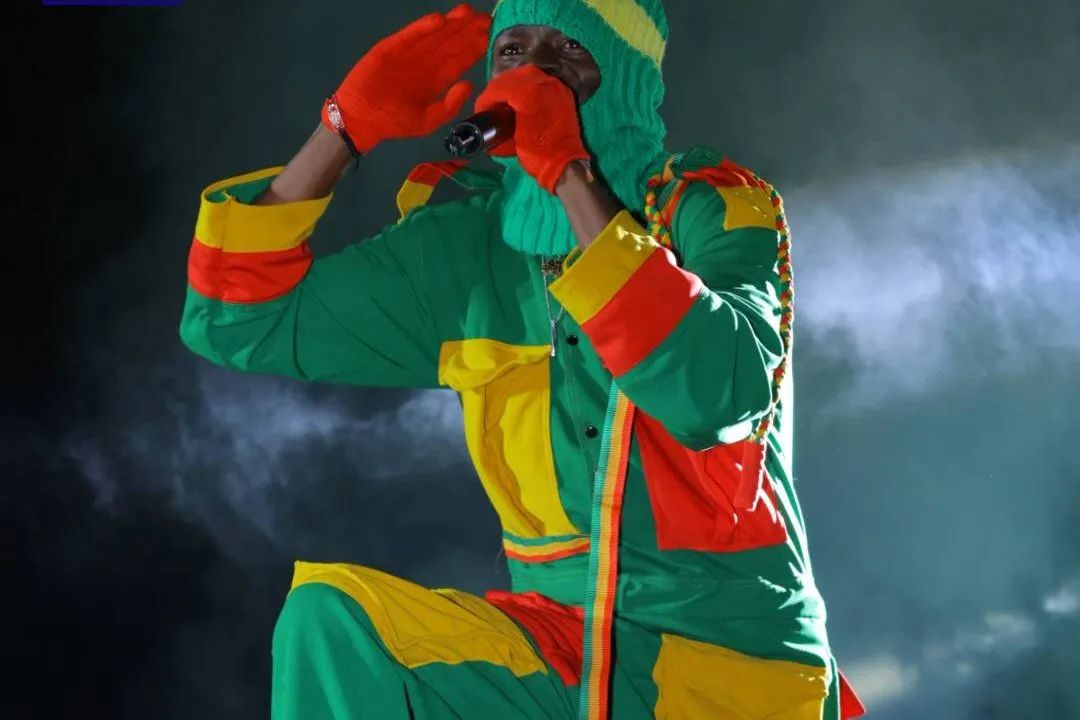
Instead of staying silent, Afroman did what he knows best — he made music.
Using his home security footage, the rapper created the now-viral “Lemon Pound Cake” video, which humorously depicts the officers searching his home.
The video quickly spread online, drawing millions of views and sparking debates across social media.
But he didn’t stop there.
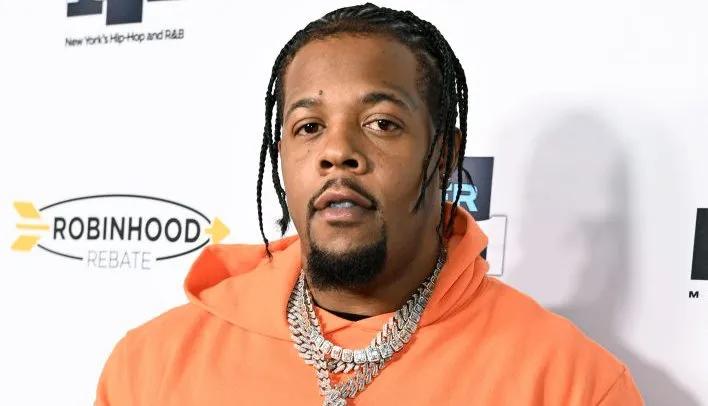
Afroman doubled down with “Licc’em Low Lisa,” a more pointed track that directly referenced Deputy Phillips — a move that intensified the controversy.
Afroman Speaks Out: “All of This Is Their Fault”
In court, Afroman didn’t hold back.
Dressed in a bold American flag-patterned suit, he delivered a blunt defense of his actions:
“All of this is their fault.”
He continued:
“If they hadn’t wrongly raided my house, there would be no lawsuit… there would be no songs.”
According to Afroman, the officers’ actions directly led to the creation of the content they are now suing over.
His argument is simple — no raid, no video.
His Deeper Reasoning: Turning Pain Into Profit
This isn’t the first time Afroman has explained his mindset.

In a previous interview with NPR, he opened up about the emotional toll of the raid — especially as a father.
“I asked myself, as a powerless Black man in America, what can I do…”
He went on to say:
“The only thing I could come up with was make a funny rap song… use the money to pay for the damages they did and move on.”
For him, the music wasn’t just entertainment — it was a form of response, resistance, and recovery.
The Bigger Legal Question: Art vs. Privacy
At the heart of this case lies a complex legal debate:
Where do we draw the line between artistic expression and personal rights?
On one side:
- Afroman claims creative freedom and a right to use footage captured in his own home
On the other:
- Officers argue their images were used commercially without consent
Legal experts say cases like this could set important precedents, especially in an era where surveillance footage, viral content, and monetization are increasingly intertwined.

Public Reaction: Divided Opinions
As news of the courtroom drama spreads, public opinion is sharply divided.
Some fans are backing Afroman, arguing:
- The raid was unjustified
- The footage was legally his
- The music is protected speech
Others, however, sympathize with the officers, pointing out:
- The videos could be seen as humiliating
- Consent matters — even for public officials
- Profit from likeness is a serious legal issue
One thing is certain:
This case has sparked a conversation that goes far beyond one rapper or one raid.
What Happens Next?
For now, the legal battle is far from over.
The officers continue to push for financial compensation, while Afroman stands firm in his defense.
As court proceedings unfold, the outcome could have major implications for:
- Artists using real-life footage
- Law enforcement accountability
- The boundaries of viral content
And with emotions already running high, more explosive moments could be just around the corner.
Final Thoughts
What began as a failed police raid has transformed into a headline-grabbing courtroom showdown — one that blends music, law, and personal conflict in a way few cases ever do.
Afroman turned surveillance footage into a viral hit.
Now, that same footage could cost him.
Whose side are you on — Afroman or the officers?
Sound off in the comments and stay tuned to The Pop Radar (TPR) for the latest updates on this unfolding legal drama 🔥