

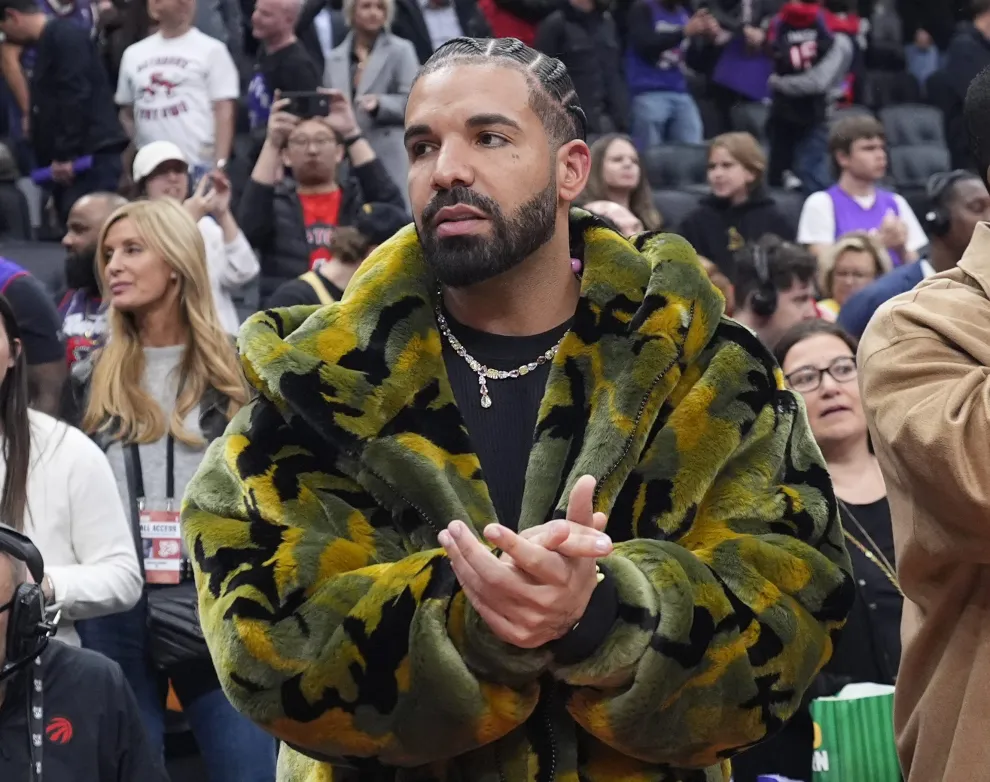
Drake has a message for anyone drowning in early criticism: don’t believe the noise.
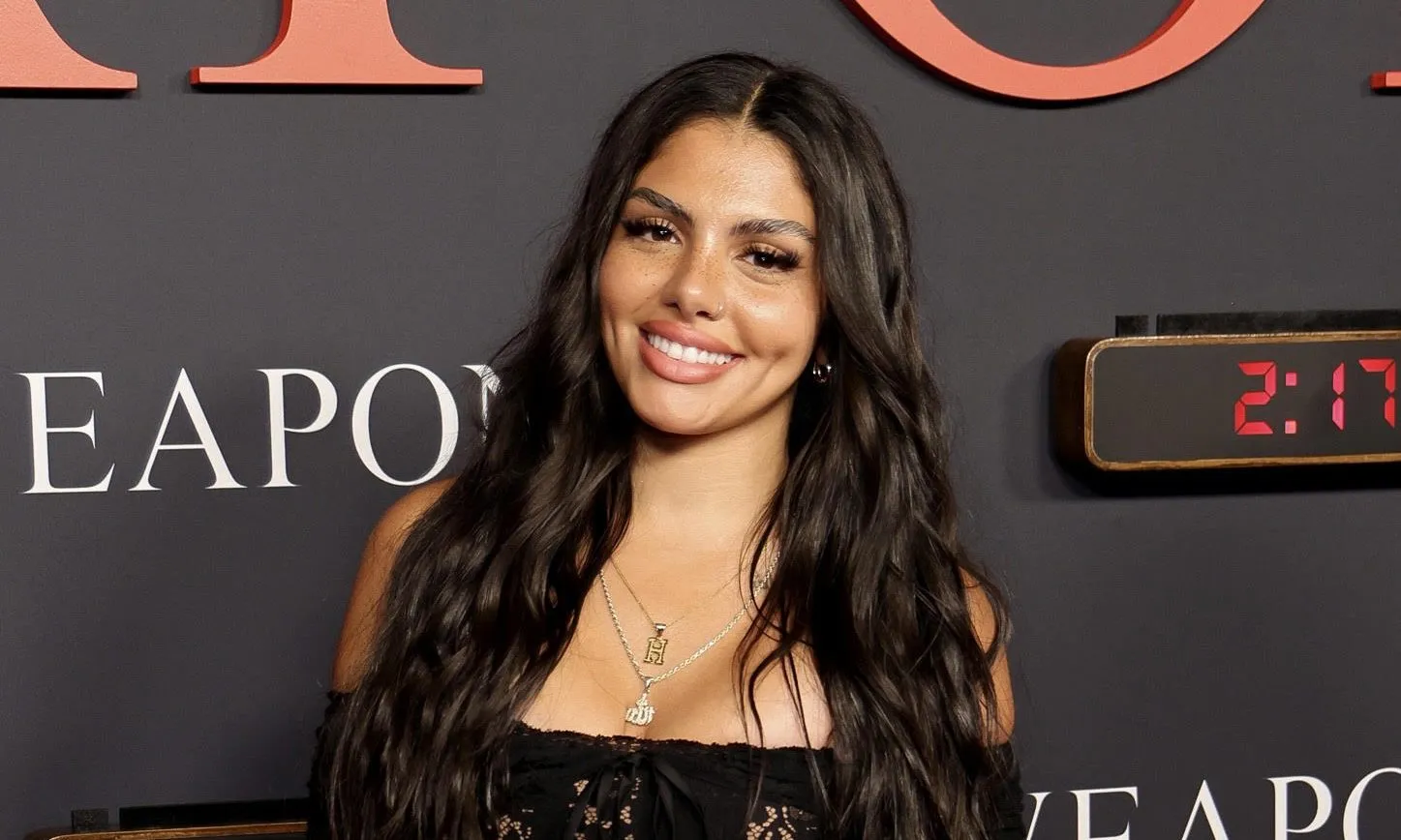
The Toronto superstar recently sat down with podcaster Bobbi Althoff and pulled back the curtain on how he believes media narratives are built in real time. What started as advice for the rising podcast host turned into a sharp critique of the way critics, fans, and blogs race to define cultural moments before they’ve even landed.
“Not the Real Response”
Drake warned Althoff not to let early criticism weigh too heavily.
“The true response to your contributions and your work… is not in the immediate response from individuals.”
For him, most of the quick takes people see online are about visibility, not authenticity.
“It’s like first to comment or first to be seen or first to offer their opinion is not the actual response to your contribution.”
Drake on Album Rollouts: Critics Plotting “Phone Calls”
Using his own career as an example, Drake described how critics don’t just rush to publish opinions—they coordinate them.
“They have phone calls, like, media phone calls deciding what stance so-and-so is going to take within the first hour.”
The claim? That media outlets essentially script the initial wave of hot takes, sometimes branding an album disappointing before fans even have time to fully listen.
Drake compared those critics to “first responders”—not as an insult to emergency workers, but as commentary on speed over substance.

Reassuring Bobbi Althoff
The conversation wasn’t all critique. Drake turned his advice directly to Althoff, who has been open about struggling with viral negativity.
“People think you’re funny. They think you’re great. They would love to sit across from you and laugh with you. They do think you’re a great mother. They do think you’re cute.”
His words were meant to push back on the online narrative she sometimes internalizes—reminding her that early criticism is rarely the whole truth.
The Romper Metaphor
Drake closed with a signature metaphor, urging Althoff to break apart quick reactions instead of wearing them as a single narrative.

“You tick that immediate reaction and you wear it, you know, you wear it like a romper. And sometimes you need to separate the shorts from the vest, babe.”
Translation: don’t carry the whole weight of online discourse at once.
Fans React: Is Drake Right About Media?
The conversation has already sparked chatter online. Some fans agree with Drake’s take on critics:
- “Drake ain’t lying, the media been plotting against him for years.” – @ChampagneFacts
- “It’s not just Drake, this happens to everyone. Music journalism is PR chess.” – @CultureCritic
- “He’s spitting, but also… it sounds like he’s salty about reviews.” – @RapTalkDaily
Others see it as Drake subtly preparing fans for his next release, reminding them not to trust the first wave of headlines.
Drake vs. Media Narratives
This isn’t the first time Drake has pushed back against how his work is covered. From Views being called “disappointing” on release (only to later be embraced as a classic), to Honestly, Nevermind shocking fans with its house-inspired sound, Drake has often been ahead of the curve—but not always met with immediate approval.
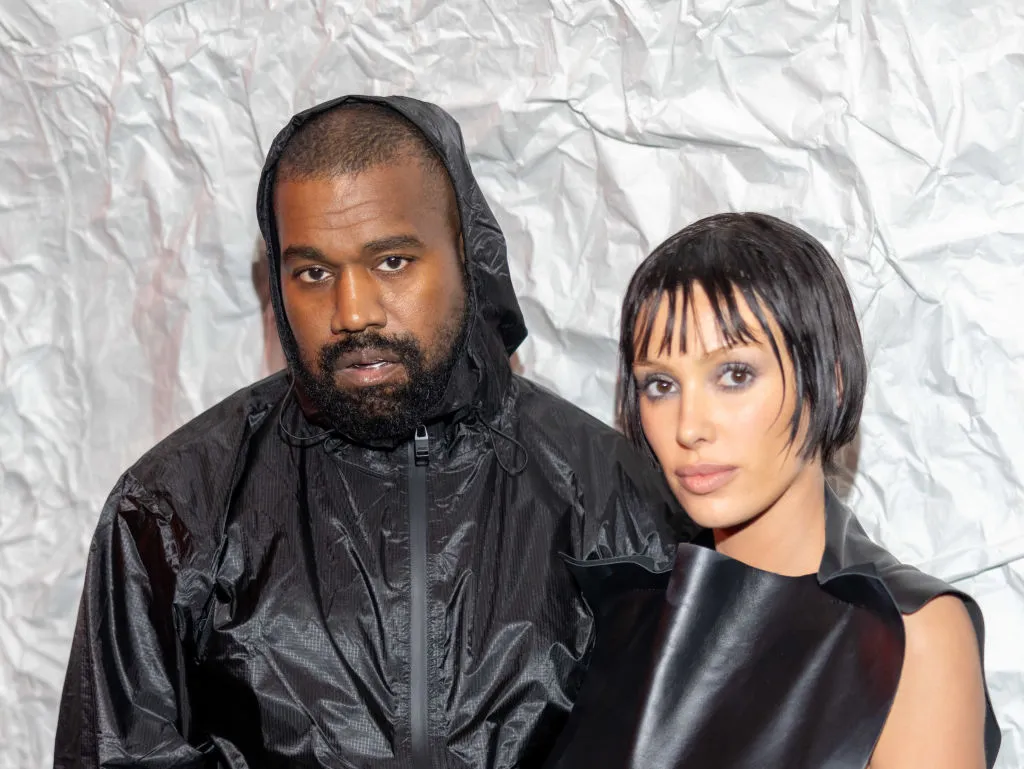
By framing critics as playing a role in shaping premature narratives, Drake highlights the gap between initial hot takes and long-term cultural impact.
Final Word
Drake’s advice to Bobbi Althoff was bigger than just podcasting—it was a window into how one of the world’s biggest artists sees the media machine. For him, early reactions are scripted noise, not the truth.
👉 Do you agree with Drake—are critics plotting narratives too fast, or is he just deflecting from fair reviews? Drop your thoughts below, and stay locked to TPR for the latest on Drake, Bobbi Althoff, and the hip hop conversations shaking the culture.