

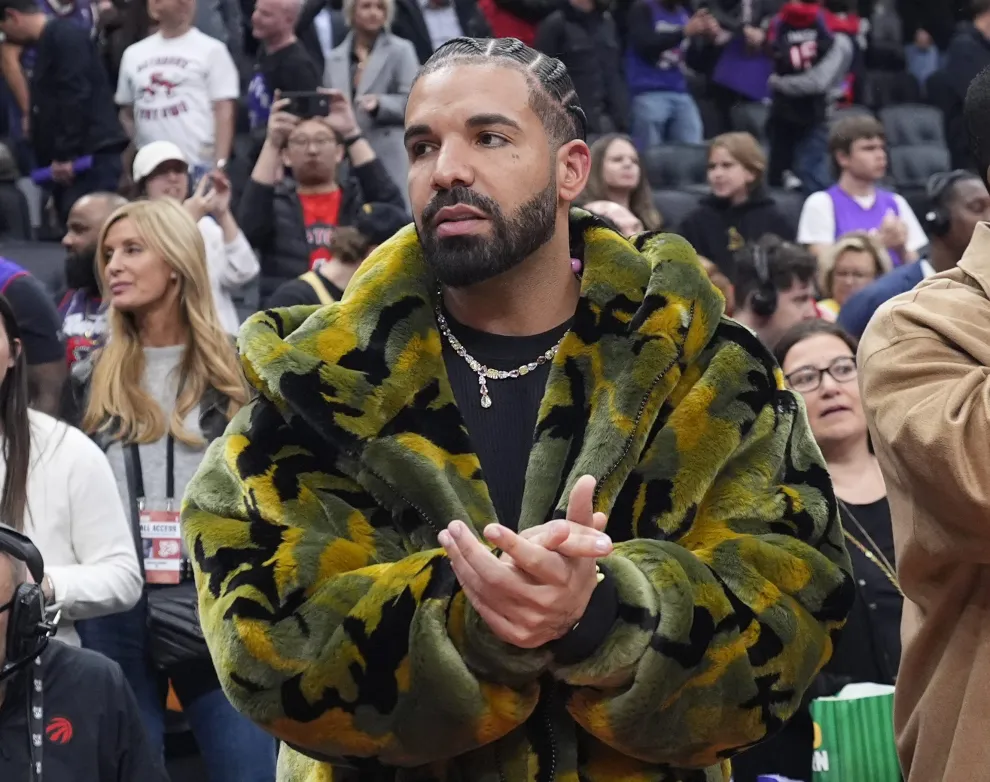
Court papers unsealed Monday reveal that the superstar rapper is expanding his defamation lawsuit to target several top executives by name. The move builds on his original claim that UMG intentionally amplified Kendrick Lamar’s “Not Like Us”, a fiery diss track that Drake alleges smeared his reputation across the music world.
The Core Allegations
Drake’s updated complaint accuses UMG of harassment, defamation, and deceptive business practices, claiming the company employed “covert strategies” to boost the track’s visibility while presenting him in an extremely negative light.
A particularly incendiary lyric in Lamar’s song refers to Drake as a “certified pedophile,” a line that sparked massive backlash from fans and critics alike. Drake argues that UMG’s actions intentionally drew attention to the diss, causing long-lasting harm to his personal and professional image.
“The tactics employed by UMG went beyond standard promotion,” the filing states, “rising to a pattern of deliberate defamation and reputational sabotage.”
Executives Named in the Expanded Suit
The newly unsealed documents reveal a who’s who of the music industry that Drake holds personally responsible for the alleged defamation. Among those named:

- Ramon Alvarez Smikle – Interscope EVP for digital marketing
- Jordan Bell – Oversees influencer and content campaigns
- Steve Berman – President of marketing at Interscope
- Anthony Bucher – Hitmaker Services Inc.
- Tiffany Bullock – Interscope
- Jesse Collins – Roc Nation
- Kojo Menne – Served after multiple attempts
- Sir Lucian Grainge – CEO of Universal Music Group
By naming these executives individually, Drake’s legal team is raising the stakes, signaling that the lawsuit is not just against the company, but also those he sees as directly responsible for orchestrating the alleged smear campaign.
Broadening the Scope Even Further
The complaint doesn’t stop there. Drake’s team also includes additional senior figures in the music industry, further illustrating the rapper’s argument that the alleged defamation is widespread and systemic:
- Bill Evans – Interscope EVP for urban promotion
- Jody Gerson – CEO, Universal Music Publishing Group
- John Janick – CEO, Interscope
- David Kaefer – VP, Spotify USA
- Andrew Kronfeld – EVP, UMG
Drake is seeking statutory and actual damages, with the exact amount to be determined at trial. Additionally, he’s pursuing treble damages, attorney’s fees, and pre- and post-judgment interest, leveraging New York General Business Law Section 349 to bolster his case.
The Public Response
Fans and industry insiders have been watching closely. Social media is buzzing with speculation about what this lawsuit could mean for Drake, Kendrick Lamar, and Universal Music Group. Some common reactions include:
- “Drake really taking names this time 😳”
- “UMG better lawyer up… this could get messy.”
- “Not Like Us really stirred the pot — now it’s in court.”
- “Drake is protecting his legacy. Smart move.”
Analysts note that lawsuits of this scale, involving high-profile executives and industry giants, are rare in the music world and could set a precedent for how artists protect their reputations in the streaming era.

Drake’s Career Moves Amid Legal Drama
Even as the lawsuit unfolds, Drake is pressing ahead with new music. His ninth studio album, Iceman, is reportedly in progress, with two lead singles already released:
- “What Did I Miss?” – Released July 5
- “Which One” (feat. Central Cee) – Released July 25
While no official release date has been confirmed, former NFL quarterback Johnny Manziel recently hinted that the project could drop in October or November, keeping fans on edge.
“Drake isn’t slowing down — he’s doubling down on music while fighting in court,” one industry insider told TPR.
This dual strategy underscores a key theme: Drake is intent on maintaining his cultural dominance while defending his personal brand.
Why This Lawsuit Matters
The case highlights the intersection of music, media, and reputation in the digital age. Artists today face not only direct competition but also the rapid amplification of negative content via streaming platforms, social media, and influencer campaigns.

Drake’s legal team is essentially arguing that UMG’s actions went beyond typical marketing — moving into the realm of intentional defamation with long-lasting career consequences.
If successful, this lawsuit could:
- Redefine how record labels are held accountable for promotional campaigns
- Influence the handling of diss tracks and viral content in the industry
- Empower artists to challenge misleading or damaging representations in the public sphere
For now, the music world is watching closely, aware that the outcome could reshape artist-label dynamics for years to come.
Next Steps in the Courtroom
As the case moves forward, key questions remain:
- Will the court allow Drake to pursue claims against the named executives individually?
- How will UMG defend its promotional strategies and the dissemination of the diss track?
- What will the eventual damages, if any, look like — and could they set a precedent in entertainment law?
Legal experts suggest that this is a complex, high-stakes battle that could take months or even years to fully resolve.

Final Take
Drake’s expanded lawsuit against UMG and its top executives is more than just a legal dispute — it’s a high-profile battle over artistic reputation, corporate responsibility, and digital influence.
As fans eagerly anticipate his next album and track the unfolding courtroom drama, one thing is clear: Drake isn’t backing down, and the music industry is watching every move.
Do you think Drake has a strong case against UMG, or is this lawsuit too ambitious? Drop your thoughts below — The Pop Radar wants your take!
👉 Stay tuned to TPR for all the latest updates on Drake, Kendrick Lamar, and the hottest breaking music and entertainment news.