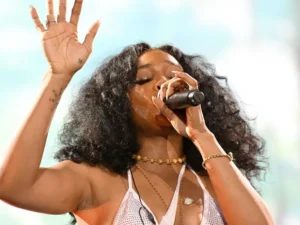



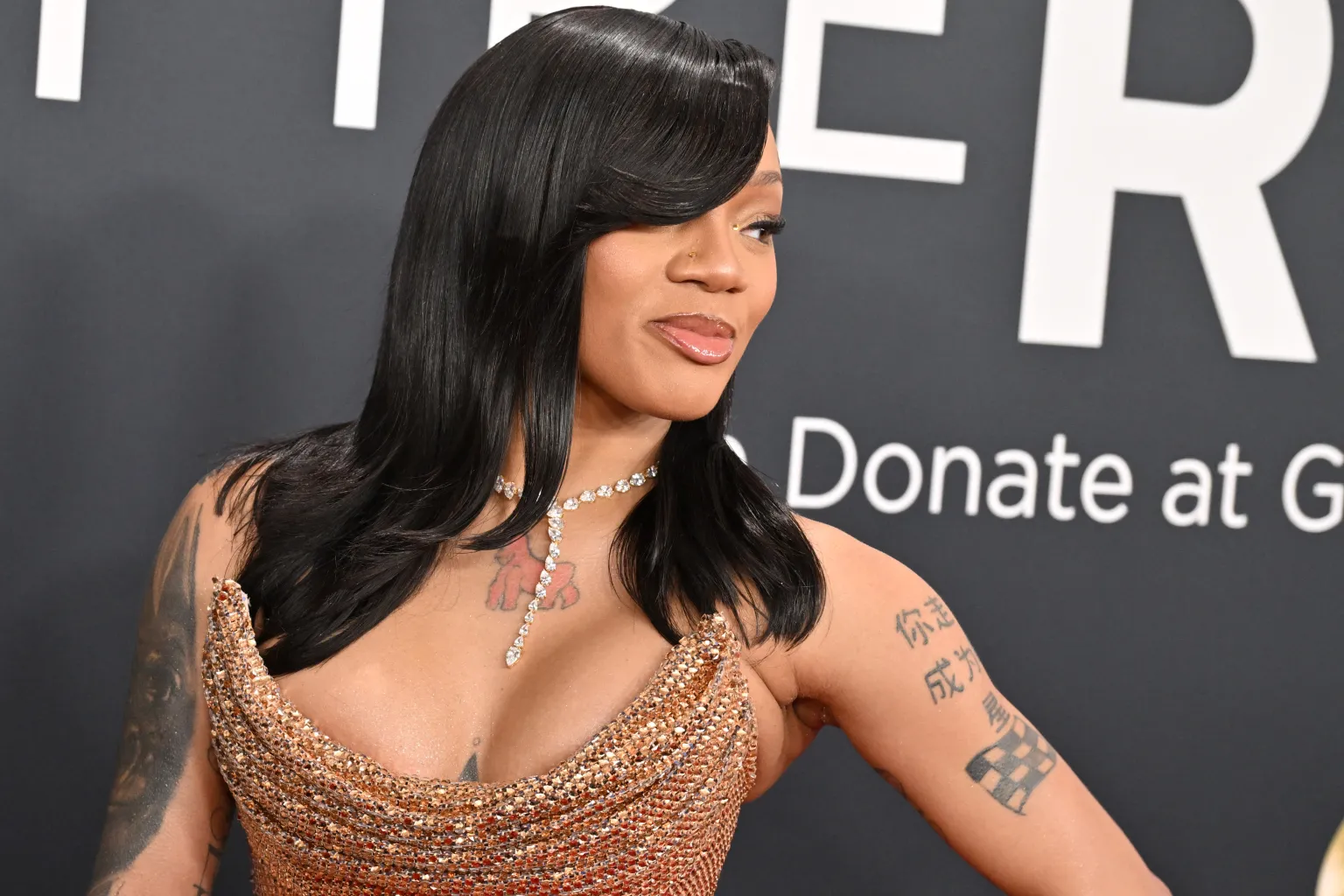
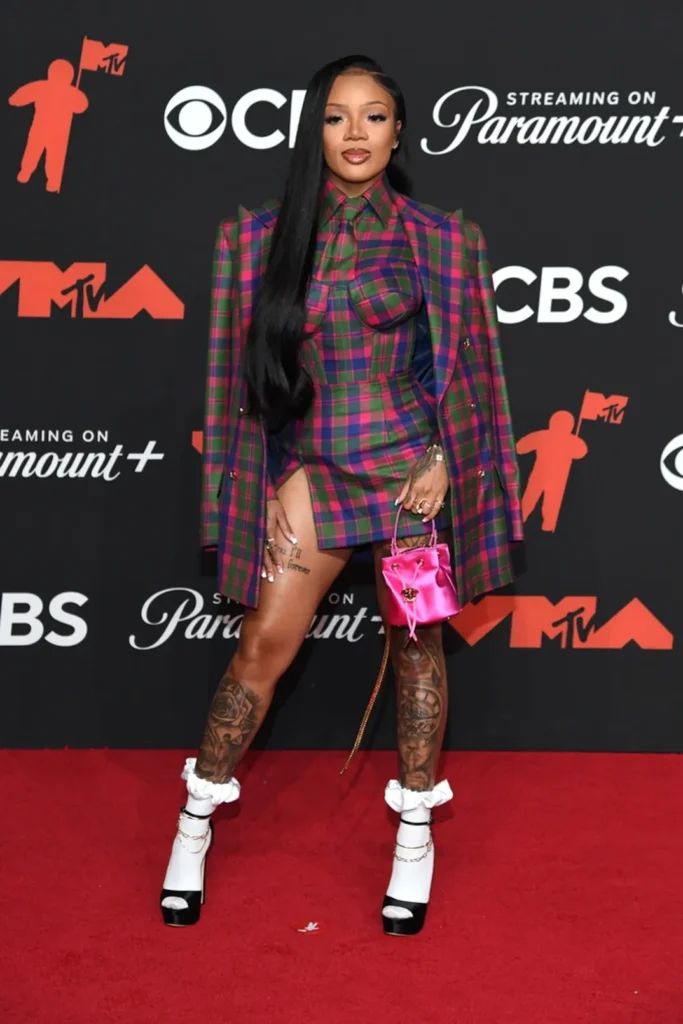
Rising rap star GloRilla is pushing back against a copyright lawsuit in Louisiana federal court, telling a judge that the phrase “no BBL” — short for no Brazilian Butt Lift — is far too short and generic to be owned by anyone.
The motion, filed this week with support from UMG Recordings, Warner Chappell Music, and BMG Rights Management, asks the court to dismiss claims brought by Natalie Henderson (aka Slimdabodylast), who insists GloRilla lifted the viral line from her 2024 track “All Natural.”
The Claim: “All Naturale, No BBL”
Henderson’s lawsuit centers on her song All Natural, which includes the hook: “all naturale, no BBL.” She says her track went viral on social media in early 2024 for celebrating natural bodies and that GloRilla’s newer lyric — “Natural, no BBL, but I’m still gon’ give them hell” — copies the essence of her creation.
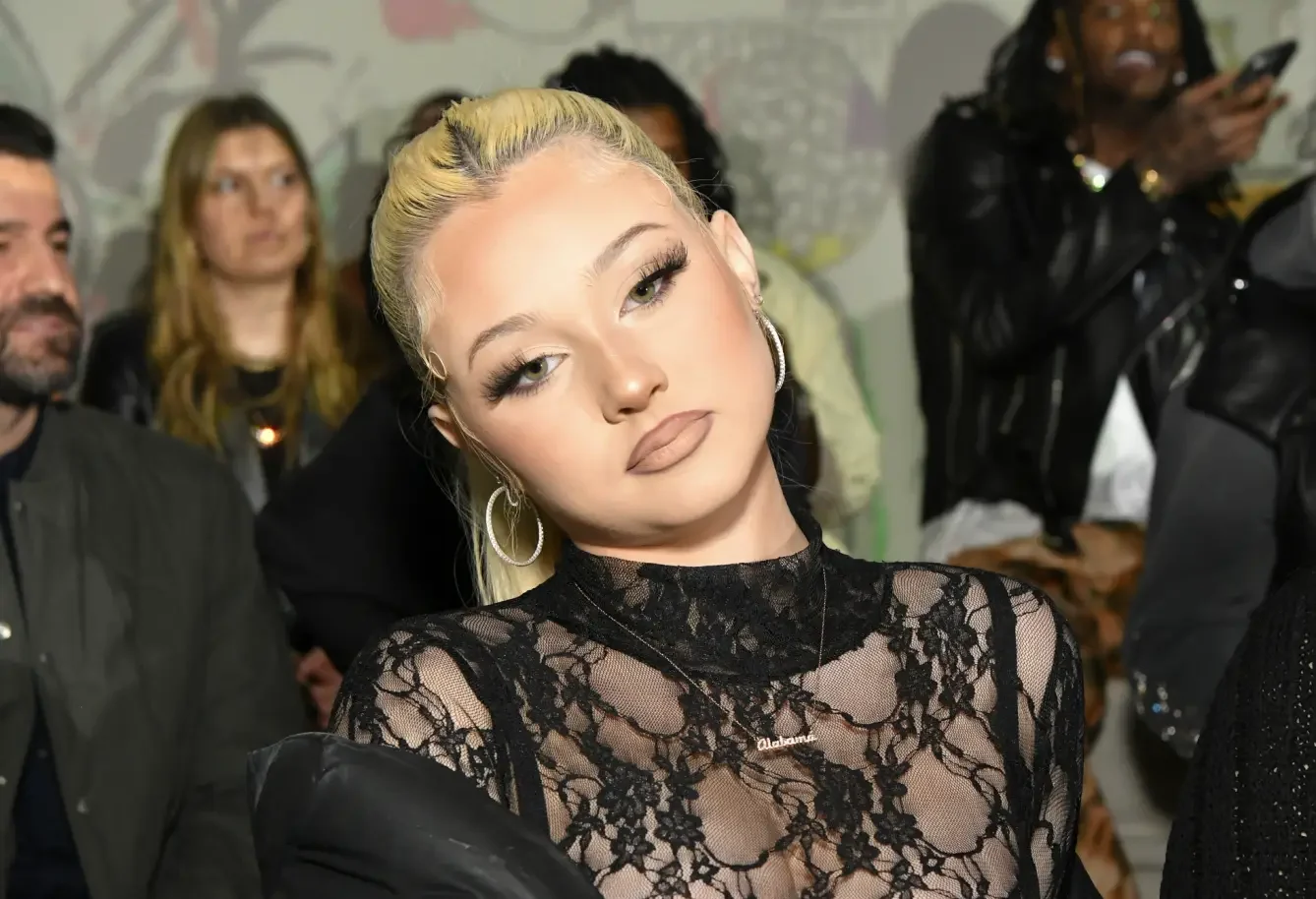
According to Henderson, GloRilla and her major-label backers profited from her original work without credit or compensation, and she is seeking damages.
GloRilla’s Defense: Too Common, No Copying
GloRilla’s legal team isn’t having it. Their filing attacks the lawsuit on multiple levels:
- No Proof of Access – Just because Henderson uploaded her song online doesn’t mean GloRilla ever heard it. Courts usually require proof of wide distribution or commercial success, which the defense says Henderson’s track never had.
- No Substantial Similarity – While Henderson uses “all naturale, no BBL” repeatedly as a hook, GloRilla drops the phrase only once in a completely different rhyme. The defense argues that “give them hell” is a common expression, not evidence of copying.
- Generic Phrases Can’t Be Copyrighted – The lawyers stress that celebrating natural bodies has been a recurring theme in music for years. Viral phrases, no matter how catchy, don’t automatically qualify as intellectual property.
They also challenge Henderson’s demand for both statutory and actual damages, claiming she hasn’t shown enough evidence of infringement to justify an injunction.
The Bigger Picture: Who Owns a Viral Phrase?
This case spotlights a growing tension in the music industry: what happens when a viral lyric, meme, or phrase makes its way from social media into mainstream songs?
Henderson argues her phrasing sparked a movement. GloRilla counters that short, everyday slang belongs to the culture — not to one artist.
If the court sides with GloRilla, it could set a precedent limiting how far viral expressions can be stretched in copyright disputes.
What’s Next
For now, GloRilla is focused on dismissing the case before it reaches trial. The court has not yet ruled on her motion.
But win or lose, the fight underscores the blurred line between internet-born catchphrases and protectable creative property — a battle that’s likely to resurface as artists continue drawing from the endless stream of viral content.