

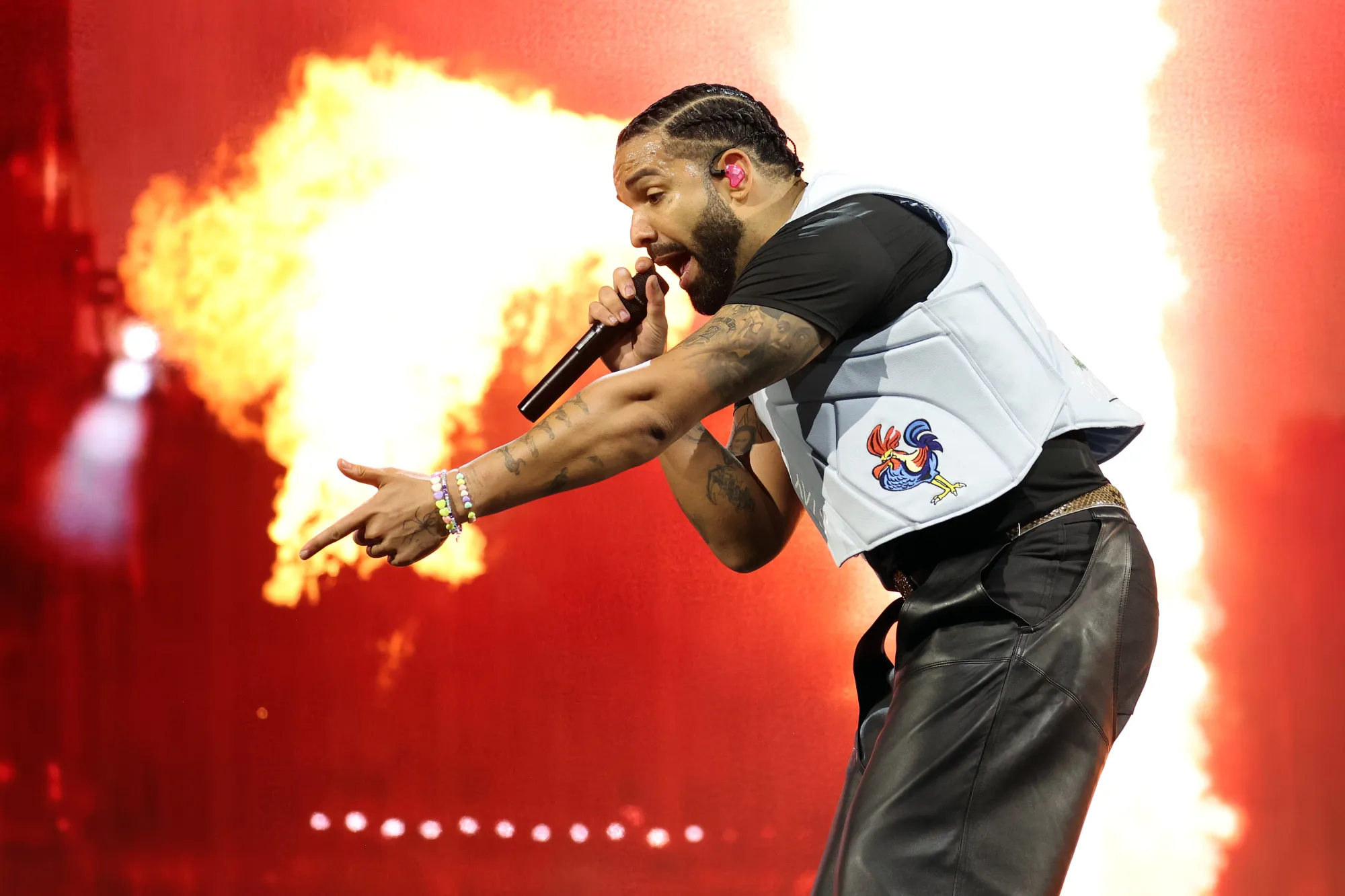
In a major legal development that could shake up the music industry, Drake just scored a procedural victory in his explosive lawsuit against Universal Music Group (UMG)—and it’s all tied to a missing witness, a botting scandal, and over $75,000 in investigative costs.
The drama, which reads like a thriller pulled straight from the charts, centers around allegations that UMG secretly funded a bot-driven smear campaign involving a defamatory track—and the rap mogul isn’t backing down.
Now, a Manhattan federal judge has cleared the way for alternative service of a subpoena, after Drake’s team said they went to extreme lengths trying to locate a mysterious figure: Kojo Menne Asamoah—a man the rapper believes holds key information about a covert streaming manipulation plot.
A $75K Wild Goose Chase—And No Witness in Sight
According to newly unsealed court documents filed on August 6, U.S. Magistrate Judge Jeannette A. Vargas granted the rapper’s legal team permission to serve Asamoah through nontraditional means after eleven failed attempts to reach him in person.
And Drake didn’t just send out a few emails—his team reportedly hired a private investigation firm, conducted multiple days of surveillance, and still came up empty-handed. The final tab? Over $75,000 spent on tracking efforts alone.

“Despite several days of surveillance, the investigative firm was unable to personally identify Mr. Asamoah,” court records state.
With no physical delivery possible, the court determined that “alternative service” was warranted—citing legal precedent that allows it when reasonably calculated to provide the individual both notice and a fair opportunity to respond.
Streaming Bots, Secret Payments & Industry Intrigue
Why is Kojo Menne Asamoah so important?
In Drake’s amended legal complaint, his team alleges that UMG not only defamed him but also engaged in deceptive business practices by manipulating online metrics to promote what he calls “Defamatory Material.”

And Asamoah, according to the filing, may have been a crucial go-between—allegedly helping direct payments or financial incentives from UMG to third-party entities involved in what’s known as “online botting”—the use of fake accounts or automated software to artificially inflate streams and influence public perception.
“Plaintiff alleges that Mr. Asamoah possesses knowledge relating to UMG’s use of covert tactics to promote the Defamatory Material,” the court wrote.
This is more than a simple defamation spat—it’s a potential exposé on how major labels may weaponize technology, fake engagement, and shadow marketing campaigns to manipulate public narratives.
Inside the Judge’s Game-Changing Decision
In her ruling, Judge Vargas approved Drake’s motion to serve the elusive Asamoah through multiple channels, including:
- Posting the subpoena on the doors of five known physical addresses associated with him
- Emailing the subpoena to three addresses believed to be in use by Asamoah
The decision references similar cases where traditional service was deemed impractical—and where courts prioritized giving the recipient an opportunity to respond over sticking to rigid delivery rules.
This could signal a turning point in Drake’s case, giving his legal team critical leverage moving forward.
UMG’s Silence Speaks Volumes—For Now
UMG, one of the largest players in the global music industry, has yet to respond publicly to the ruling. But make no mistake: the silence is loud.
The label is still facing allegations that it not only distributed and promoted defamatory material, but also boosted it through under-the-table campaigns—all while trying to maintain its public image as a legitimate industry powerhouse.
For now, the broader lawsuit remains ongoing, and neither side appears ready to settle.
But with the court’s blessing to move forward, Drake’s legal machine has officially shifted into high gear.
Why This Case Could Reshape Industry Tactics
If Drake’s team can prove that UMG used “covert tactics”—including online bots and secret payments—to manipulate streaming and social engagement, it could:
- Expose unethical marketing strategies within top music labels
- Lead to greater scrutiny of stream counts and artist rankings
- Raise serious questions about the integrity of chart performance
And with a high-profile name like Drake attached, this lawsuit has the power to set precedents far beyond just one artist-versus-label battle.
What’s Next for Drake vs. UMG?
The court’s approval of alternative service doesn’t guarantee victory—but it eliminates a key roadblock in Drake’s pursuit of justice. Now that his legal team can officially notify a witness they believe is pivotal to uncovering the truth, the pressure is on UMG.
It also raises public curiosity: What exactly does Kojo Menne Asamoah know? Why is he so hard to find? And what will the subpoena turn up?
Drake isn’t just fighting back—he’s setting the stage for a legal showdown that could rock the music industry to its core.
TPR’s Final Take
This isn’t just another courtroom squabble. It’s a battle for transparency in the age of bots, fake views, and viral manipulation. And if Drake’s claims hold water, this case could change how the world views streaming metrics forever.
What are your thoughts on Drake’s legal move and the mysterious $75K manhunt? Drop your take below—and stay tuned for more exclusive updates from The Pop Radar (TPR)!