

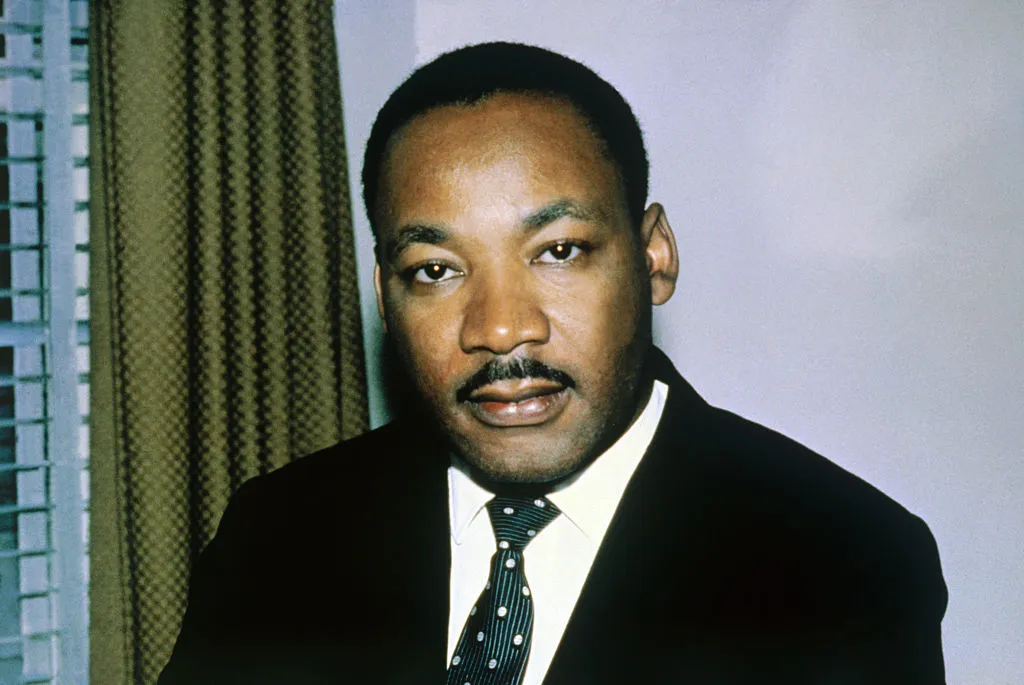
OpenAI has officially shut down the use of Martin Luther King Jr. deepfakes, following a formal request from Bernice A. King, the youngest child of the civil rights icon. The decision comes amid rising concerns over disrespectful AI-generated depictions of historical figures circulating on social media.
In a joint statement, OpenAI and the King estate emphasized that while free speech interests exist, the family should have control over the late leader’s likeness.
“While there are strong free speech interests in depicting historical figures, OpenAI believes public figures and their families should ultimately have control over how their likeness is used,” the statement read.
Why Bernice King Requested the Ban
Bernice King stressed that although her father was a public figure, he was not an elected official and his image is not public domain. In the United States, approximately half of the states recognize post-mortem right of publicity laws, allowing estates to control a deceased individual’s name, image, or likeness.
“For me, many of the AI depictions never rose to the level of free speech. They were foolish,” King told the press.
Her request reflects broader concerns about AI ethics, historical respect, and the limits of creative expression, especially when it comes to deceased figures whose legacies remain deeply influential.
OpenAI’s Role and New Policy
The controversy emerged after OpenAI launched Sora 2, an app that allows users to create hyperrealistic AI-generated video content. Initially, there was no policy restricting deepfakes of deceased individuals.
Following the request from Bernice King, OpenAI has now established a policy allowing authorized representatives to request protection for a public figure’s likeness, ensuring families can intervene if depictions are deemed inappropriate.
“While Daddy was a public figure, he was not an elected official, and his image is not public domain. He was a private citizen,” Bernice King explained, highlighting the ethical and legal considerations involved.
This move signals a growing awareness among AI developers about responsible content creation and respecting both legal and moral rights surrounding historical figures.
Deepfake Concerns: Social Media and Public Reaction
The circulation of MLK deepfakes on platforms like X (formerly Twitter) and TikTok drew criticism for trivializing the legacy of the civil rights leader. Experts warn that hyperrealistic AI content can distort public understanding of history and manipulate public perception.
Many users applauded OpenAI’s decision, seeing it as a necessary step to maintain respect for cultural icons, while others questioned the limits of AI freedom and creative expression in digital spaces.
Broader Implications for AI and Historical Figures
This incident underscores a growing tension between AI innovation and ethical responsibility. As AI technology becomes more advanced, companies are being pressured to adopt guidelines for creating digital likenesses of both living and deceased individuals.
OpenAI’s move may set a precedent for other tech companies, emphasizing that public interest and historical significance must be balanced with ethical considerations and family rights.
Key Takeaways:
- OpenAI banned MLK deepfakes after Bernice King’s request.
- Bernice King emphasized her father was a private citizen, not public domain.
- AI app Sora 2 previously allowed hyperrealistic videos of deceased figures.
- OpenAI now permits authorized representatives to request protections.
- The case raises ethical and legal questions about AI-generated content and historical figures.
What are your thoughts on AI deepfakes of historical icons? Share your opinion in the comments and stay tuned for more tech and culture updates!