


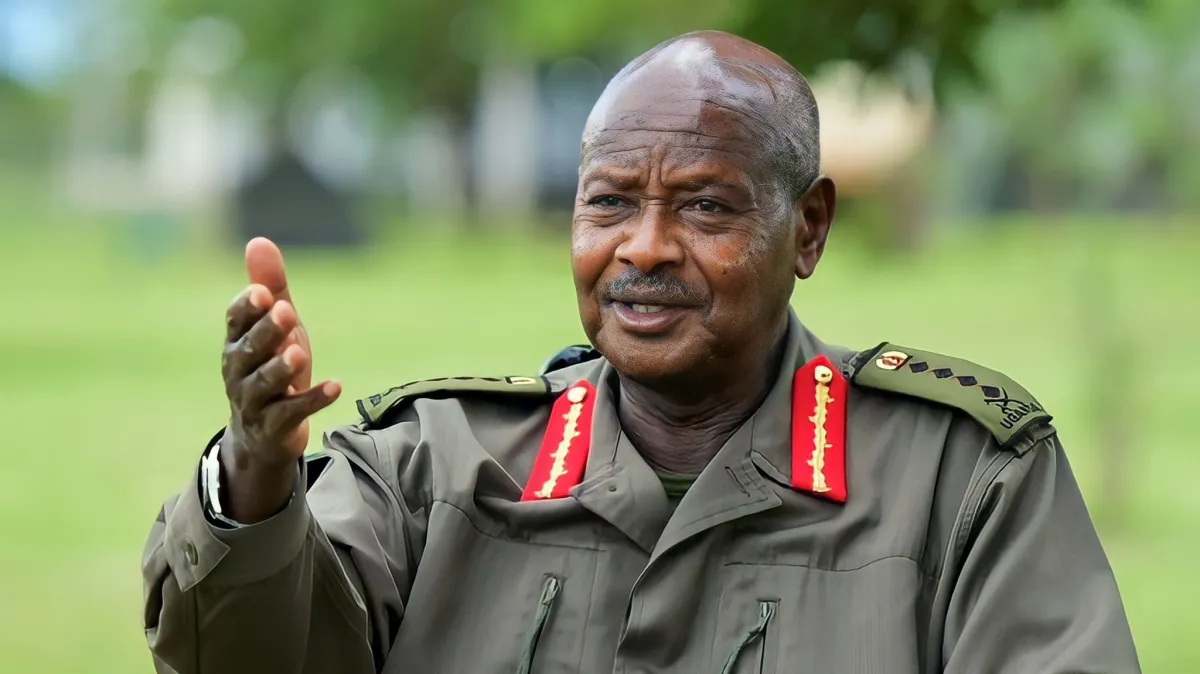
Ugandan President Yoweri Kaguta Museveni has made a bombshell revelation — some of his own staff have been caught extorting huge sums of money from members of the public in exchange for delivering letters directly to him.
During a recent address, the Head of State described the practice as both unacceptable and criminal, warning that he will not tolerate corruption at any level of his administration.
Millions Paid Just to Deliver Letters
According to Museveni, the scheme involved individuals within his office charging up to UGX 30 million (about USD $8,000) to ensure letters from the public made it onto his desk.
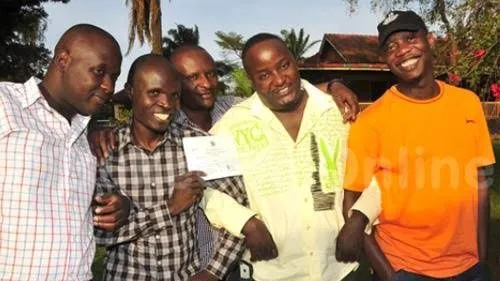
“Some people in my office were extorting money from the public in order to bring the letters of the public to me. People were paying money, UGX 30 million, to make sure I see their letters,” Museveni disclosed.
The president revealed that this illegal arrangement had been going on for some time before it was uncovered. Those involved allegedly positioned themselves as gatekeepers, exploiting citizens who were desperate for their concerns to reach the country’s top leader.

Arrests Already Made
Museveni confirmed that several suspects have been arrested in connection with the extortion scandal.

“The bringer of the letter is paid. We have arrested them,” he stated firmly, signaling that the fight against corruption will extend even into the highest offices of government.
The president urged members of the public not to pay any money to anyone claiming they can fast-track access to him, stressing that official channels exist for correspondence without the need for bribes.
A Broader Crackdown on Corruption
This latest development comes amid Museveni’s long-standing public stance against corruption, which he has repeatedly described as one of the key obstacles to Uganda’s development.

In recent years, the government has introduced multiple anti-corruption measures, including:
- Setting up dedicated anti-corruption units within key ministries.
- Strengthening whistleblower protections.
- Encouraging public reporting of misconduct by government officials.
Still, scandals like this highlight the persistent challenge of rooting out graft, especially within sensitive offices that handle direct communication with the president.
Public Reaction: Outrage and Demands for Accountability
News of the extortion ring quickly sparked outrage online. Social media users described the revelations as “a betrayal of public trust”, with many calling for transparent investigations and public trials to ensure accountability.

Political analysts note that this scandal could undermine public confidence in state institutions unless handled decisively.
Museveni’s Warning to Public Officials
Museveni’s message to public servants was clear: no one is above the law.
By publicly exposing the scandal himself, the president signaled his intent to clean house and reaffirm his administration’s zero-tolerance policy on corruption.
“We have arrested them,” he reiterated, “and we shall continue to deal with anyone who tries to exploit the public for personal gain.”
What’s your take on this? Should the suspects face maximum penalties to set an example? Share your thoughts in the comments below.