


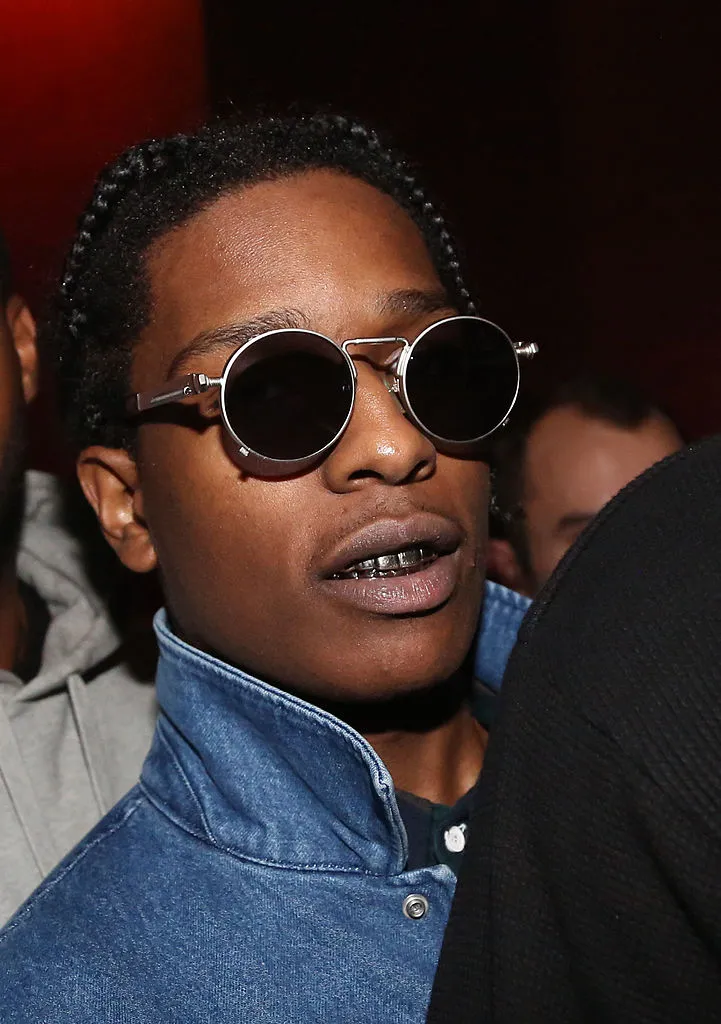
A$AP Rocky’s influence reaches well beyond hip hop, with the rapper becoming one of fashion’s most recognized creative figures.
That reputation recently became part of a conversation about privacy and professionalism after a private Instagram exchange between Rocky and graphic designer Allan Peters was shared publicly online, reportedly ending what appeared to be a possible creative collaboration before it officially began.
According to screenshots circulated across social media, Rocky contacted Peters through Instagram to discuss potential logo and branding work for an undisclosed project.
Before any agreement was finalized, Peters shared the exchange on Instagram, celebrating the unexpected outreach from the rapper and entrepreneur.
The post quickly gained attention after being reshared by public figures, including Angela Yee, before Peters later removed it.
However, the situation had already caught Rocky’s attention.
Rocky Responds to the Public Post
Following the circulation of the screenshots, Rocky responded publicly in the comments section of the post.
“Well I guess we won’t be working, best of luck buddy,” Rocky wrote.
The rapper also described the decision to share the private conversation publicly as “distasteful,” suggesting that confidentiality played a major role in his decision to step away from the potential partnership.
The exchange quickly became a discussion across fashion and entertainment circles, where early creative conversations are often handled privately before any official announcement or agreement.

For artists and entrepreneurs building brands, discussions about logos, identity, and creative direction can involve sensitive ideas that are not intended for public release before projects are finalized.
Debate Over Privacy in Creative Industries
The situation sparked a wider debate about expectations between creatives, especially in an era where social media has become a major tool for networking and career growth.
Some argued that Peters’ post reflected excitement over receiving an opportunity from a major artist and fashion figure.
Others defended Rocky’s position, saying private business conversations should remain confidential until both parties agree to share them.
Writer Alex Washington addressed the issue on Threads, arguing that discretion remains important in creative partnerships.

“Everything isn’t content,” she wrote. “If you leaked this what else are you going to leak before the deal is done?”
Another user expressed sympathy for Peters, suggesting he may have simply been celebrating a major professional moment.
“I feel so bad for Allan,” the user wrote. “He was genuinely just excited.”
The contrasting reactions highlight the challenge creatives face in balancing online visibility with professional confidentiality.
Why It Matters
The incident reflects a larger shift in the creative industry, where social media can instantly turn private interactions into public conversations.

Designers, artists, and brands increasingly use online platforms to showcase their work and attract opportunities. At the same time, major public figures often rely on trust and discretion when developing new projects.
For celebrities like Rocky, whose influence extends into fashion and business, protecting creative ideas and brand strategy can be just as important as the final product.
The situation also raises questions about modern professional etiquette: when does sharing a career milestone become revealing information that was meant to stay private?
At the center of the discussion are two creatives navigating a world where opportunities and exposure often happen online.
For Peters, the exchange appeared to represent a major moment of recognition from a globally influential artist. For Rocky, the public sharing of a private conversation appeared to cross a boundary.
The brief interaction became a reminder that in fashion, music, and branding, trust can be just as valuable as talent.
Neither Rocky nor Peters has provided additional public comments beyond the deleted post and Rocky’s response, leaving the short-lived collaboration as a conversation about privacy in the digital age.
