



Mark Zuckerberg’s $300 million yacht is facing criticism after a cruise ship reportedly went out of its way to help a small boat that had run out of fuel in Southeast Alaska.
The drama began last Monday night when a 21-foot skiff reportedly needed assistance in the waters around Farragut Bay.
According to a passenger aboard the cruise ship, the ship’s captain announced that Zuckerberg’s yacht, Launchpad, was actually closer to the stranded skiff but did not assist.
The account prompted criticism from some passengers, with one reportedly accusing the Meta CEO of missing an opportunity to help.
But Zuckerberg’s representatives say the situation was not as simple as it appeared.
The incident reportedly unfolded last Monday night in Southeast Alaska after a 21-foot skiff ran out of fuel.
A cruise ship ultimately changed course to assist the boat, according to reports.
One passenger, Michael Love, described the situation on social media, saying the cruise ship’s captain told passengers that Zuckerberg’s yacht was closer to the skiff.

Love said the announcement prompted some passengers to boo Zuckerberg.
He also criticized the billionaire for what he viewed as a missed opportunity to help someone in need and potentially generate positive publicity in the process.
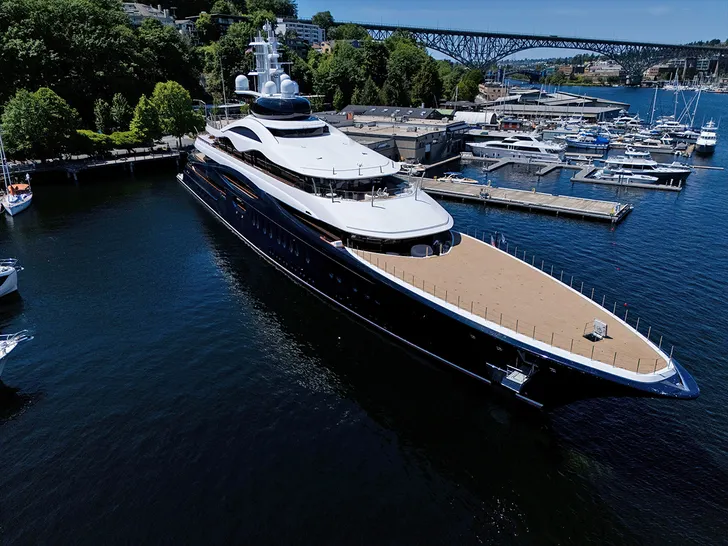
The story was later reported by the Alaska Beacon, which identified the yacht as Launchpad, a 387-foot vessel reportedly worth $300 million.
According to the report, Launchpad stopped near the skiff in Farragut Bay.
The cruise ship then reportedly sailed around Launchpad before stopping at the smaller vessel and towing it to shelter.
That sequence of events created the impression that Zuckerberg’s yacht had been in a position to help but chose not to.
There was, however, an important piece of information from the U.S. Coast Guard.
The Coast Guard said there had been a general request for assistance, but there was no call reporting that the boat was in distress.

That distinction forms the basis of Zuckerberg’s response.
A representative for the Meta CEO said Zuckerberg and his family were not aboard Launchpad when the incident occurred.
The representative also said the boat was not in distress and that the yacht’s crew received the Coast Guard contact on a different radio channel from the one they were operating on.
By the time the crew reviewed the communication, the representative said, assistance was already underway.
“We’re grateful all parties are safe,” the representative said.
That account provides a substantially different picture from the one suggested by the passenger’s social media post.
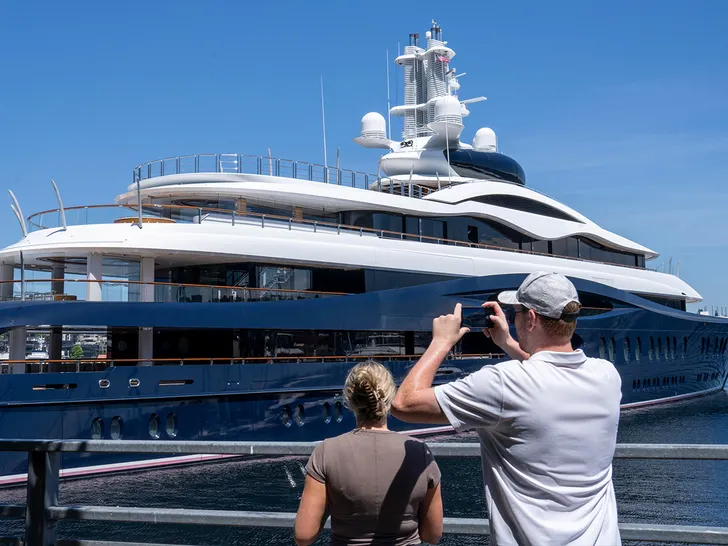
Launchpad is Zuckerberg’s 387-foot superyacht and has become one of the most visible symbols of the Meta CEO’s considerable wealth.
The yacht reportedly cost around $300 million and is designed for extended travel and luxury cruising.

But Zuckerberg himself was not aboard during the incident, according to his representative.
That matters because criticism directed personally at the Meta CEO does not necessarily reflect who was actually responsible for decisions aboard the vessel that night.
The Coast Guard’s statement also adds important context.
Officials said there was a general request for assistance but no call for a boat in distress.
Zuckerberg’s representative says the yacht’s crew was monitoring a different radio channel and only became aware of the Coast Guard communication after another vessel had already begun helping.
Meanwhile, the cruise ship ultimately assisted the skiff and reportedly towed it to safety.
The controversy illustrates how quickly a maritime incident can become a public debate when a billionaire’s yacht is involved.
From the passenger’s perspective, the sight of a massive yacht near a small skiff followed by a cruise ship providing assistance naturally raised questions about why the larger vessel did not help.

But the Coast Guard’s account complicates that interpretation.
There was no reported distress call, according to the agency, and Zuckerberg’s representative says the yacht’s crew did not receive the relevant communication until assistance was already underway.
The available information therefore does not establish that the crew deliberately refused to help a vessel in distress.
Instead, the controversy appears to center on what the crew knew, when they knew it and what assistance was actually being requested.
For the people aboard the 21-foot skiff, the most important outcome was that help eventually arrived.
The cruise ship reportedly changed course, reached the stranded boat and towed it to shelter.
For passengers watching the situation unfold, however, the presence of Launchpad nearby created a very different impression.
That gap between what people saw and what was happening behind the scenes is what turned an otherwise routine rescue into a story involving one of the world’s wealthiest tech executives.
Zuckerberg’s representative emphasized the bottom line: everyone involved was safe.
Mark Zuckerberg’s yacht may have been closer to the stranded skiff, but the Coast Guard says there was no distress call, while Zuckerberg’s representative says the crew learned of the assistance request only after the rescue was already underway.
