


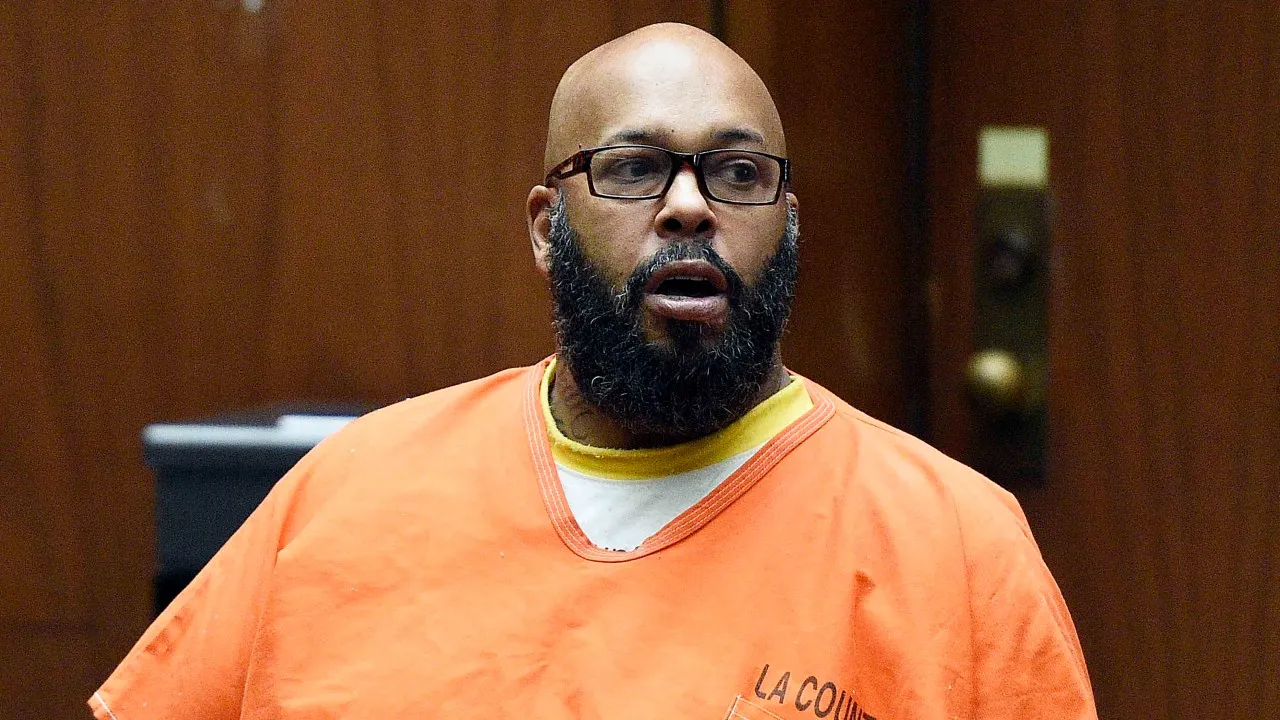
Suge Knight believes the public has been given the wrong story about Tupac Shakur‘s murder for nearly three decades.
The incarcerated Death Row Records cofounder has described the 1996 killing as an “assassination” and claims the fatal attack involved more people than Duane “Keefe D” Davis, who is now standing trial in Las Vegas.
Knight made the comments during a call-in appearance on TMZ Live as jury selection continued in Davis’ murder case.
Knight was driving the BMW when Tupac was fatally shot in Las Vegas in September 1996, putting him at the center of one of hip-hop’s most enduring mysteries.
Now, with the long-awaited trial underway, Knight says he hopes the courtroom proceedings reveal more of what happened.
Suge Knight is watching the Tupac Shakur murder trial from behind bars, and he has a very different account of what happened on the night the rapper was killed.
During his appearance on TMZ Live, Knight said Tupac’s death was not simply the result of a dispute over a chain or gang colors.
His description was blunt.

“This was an assassination.”
Knight claims the killing involved several people beyond the man currently facing trial.
However, he has stopped short of publicly identifying those individuals, saying he spent decades carrying blame while others escaped scrutiny.
The comments come as jury selection continues in Las Vegas for the trial of Duane “Keefe D” Davis, the only person charged in connection with Tupac’s killing.
Davis has pleaded not guilty to the murder charge.
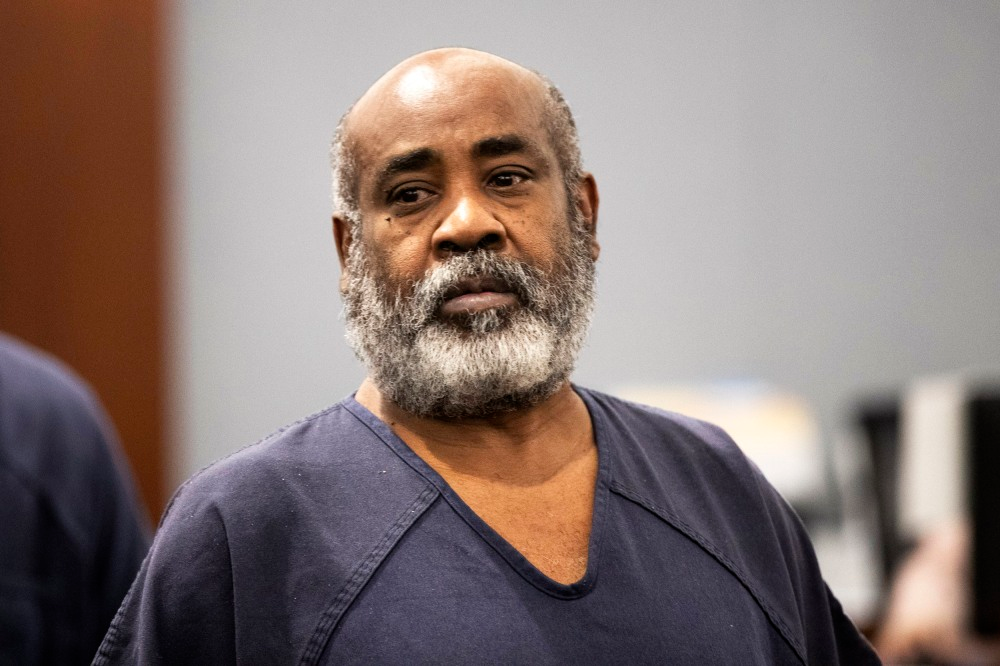
Prosecutors allege that Davis orchestrated the 1996 attack and supplied the firearm used in the killing. They do not allege that Davis was the person who actually fired the shots.
Knight also addressed Davis’ previous public statements about the case.
According to Knight, Davis has already harmed his own defense by discussing the killing repeatedly in a book and on podcasts.
Davis has attempted to distance himself from some of those statements by blaming a ghostwriter, but Knight said he does not believe that explanation.
The trial could now provide the setting for some of those past statements to receive greater scrutiny.
Still, Knight stressed that his interest in the proceedings is not about revenge.
He said he believes Davis deserves a fair trial despite his own views about what happened to Tupac.
Knight even claimed he delayed the release of his own book, Your Pain Is My Joy, until September because he did not want to create additional pressure while the trial was underway.
That decision, he said, was intended to keep the focus on the legal proceedings rather than add another layer to an already highly scrutinized case.
Tupac Shakur was fatally shot in Las Vegas in September 1996 after attending a Mike Tyson boxing match.
Knight was driving the vehicle in which Tupac was riding when the shooting occurred.

For nearly 30 years, the rapper’s murder remained one of hip-hop’s most famous unsolved killings.
That changed when authorities charged Duane “Keefe D” Davis with murder in 2023.
Davis has pleaded not guilty and is now facing trial in Las Vegas.
Prosecutors allege he helped orchestrate the attack and provided the gun, but they do not accuse him of being the shooter.
Knight’s latest comments add another perspective to a case that has generated countless theories and public claims over the years.
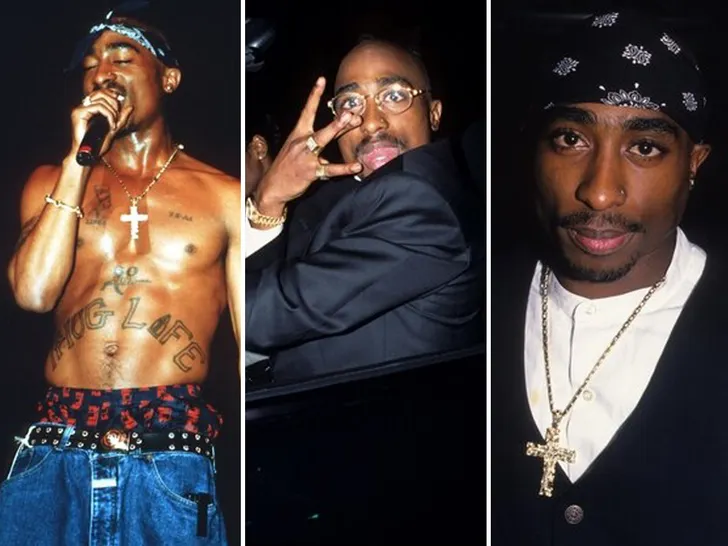
However, his assertions that other people were involved remain his claims. He has not publicly named the individuals he believes played additional roles.
The trial represents a major moment in the decades-long effort to establish what happened in Tupac’s killing.
Because Knight was in the car with Tupac when the shooting occurred, his perspective carries particular interest for a public that has spent years debating the circumstances surrounding the rapper’s death.

His characterization of the killing as an “assassination” also directly challenges the simpler explanations that have circulated around the case.
At the same time, the court proceedings will focus on the allegations against Davis, rather than proving every theory that has emerged over the years.
Knight’s belief that other people were involved therefore remains separate from what prosecutors ultimately seek to establish in court.
Tupac’s influence on hip-hop has continued long after his death, and Knight says the rapper’s legacy remains an important part of the conversation surrounding the trial.
Knight also says he does not want revenge against Davis.
Instead, he maintains that Davis should receive a fair trial while hoping the proceedings bring greater clarity to a case that has remained unresolved for generations of hip-hop fans.
For Knight, the trial is potentially about more than one conviction. He also sees it as an opportunity for the culture to revisit Tupac’s life, influence and the circumstances surrounding his death.
As Duane “Keefe D” Davis faces trial nearly 30 years after Tupac Shakur was killed, Suge Knight continues to insist that the full story has yet to be told.
For now, the courtroom — rather than the long-running theories surrounding the case — will be where the allegations against Davis are tested.
