


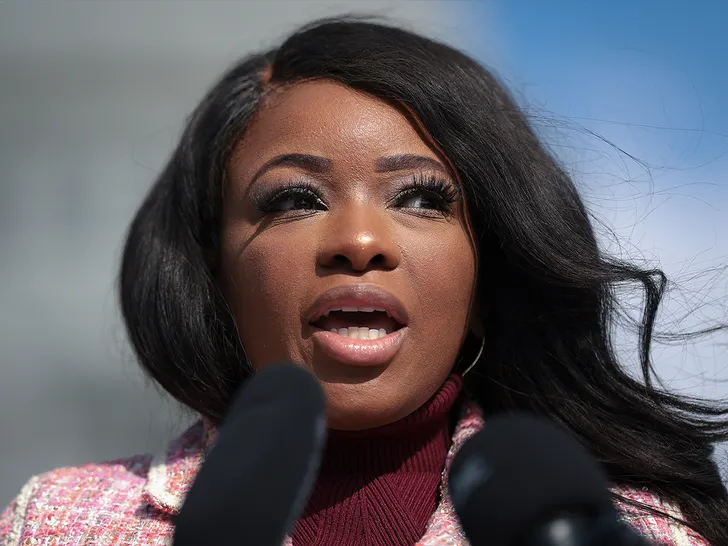
U.S. Congresswoman Jasmine Crockett has criticised Nicki Minaj over her public support for President Donald Trump, questioning the rapper’s political motives and accusing her of using her influence in ways that promote division.
Crockett shared her views during an encounter with TMZ in New York City on Tuesday, where she challenged what she described as a double standard involving Minaj’s political involvement.

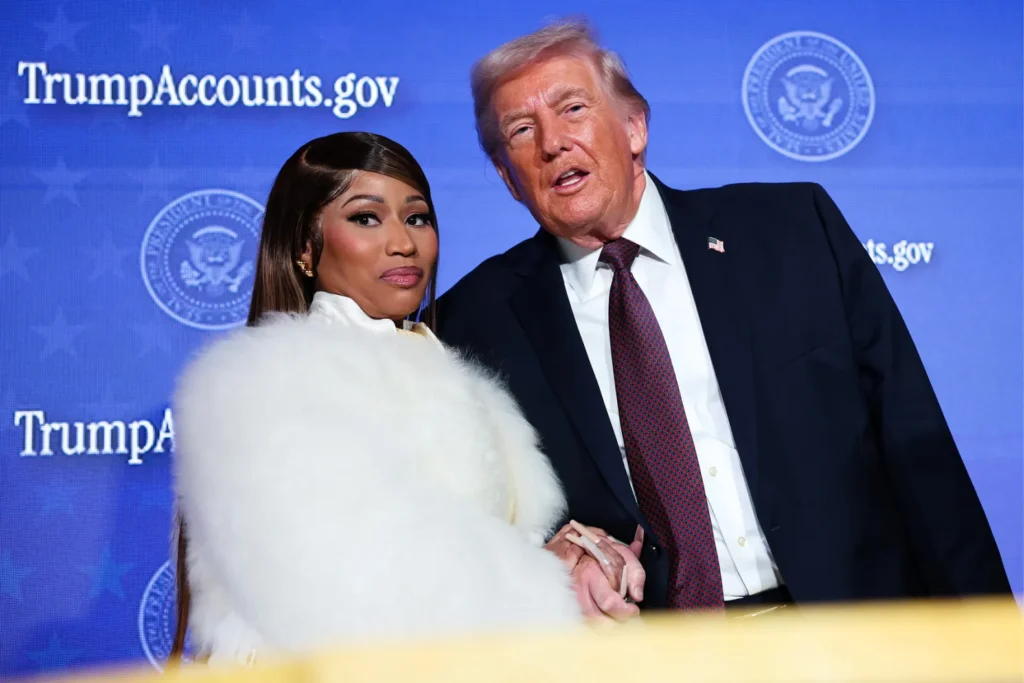
The Texas Democrat questioned why Minaj, whom she described as not being a U.S. citizen, would use her massive platform to amplify the MAGA movement while other immigrants are being detained by Immigration and Customs Enforcement (ICE) under Trump’s administration.
Crockett also accused the rapper of acting out of self-interest and contributing to political and social division.

In the interview, the congresswoman argued that public figures with significant influence should use their platforms to encourage unity rather than fuel hostility.
Crockett Calls for Unity
Although Crockett strongly disagreed with Minaj’s political position, she also encouraged Americans to use their voices to bring communities together.

She specifically highlighted the importance of unity between Muslim and Jewish communities in Michigan and beyond, arguing that people should find common ground rather than deepen divisions.
The congresswoman also expressed optimism about the country’s future, explaining why she remains encouraged despite the political tensions.

Nicki Minaj’s Growing Political Profile
Minaj has become increasingly vocal about her support for Trump, attracting attention beyond the music industry.
Her political involvement has also sparked debate, particularly as she continues to use her celebrity platform to engage with issues surrounding the president and his administration.
Crockett’s latest remarks add another high-profile voice to the discussion surrounding the rapper’s political stance and the influence celebrities have on public conversations.
However, the interview did not include a response from Minaj to Crockett’s criticism.
