


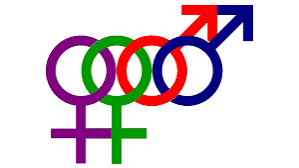
Sexuality is not the same for everyone. People experience attraction, romantic feelings, sexual desire and relationships in different ways. Some identify with familiar labels such as heterosexual, bisexual or gay, while others use terms that better reflect their personal experiences.
Learning the language of sexuality can make it easier to understand yourself, communicate with partners and respect how other people describe their identities.
Sexual orientation involves more than who someone dates or has sex with. It can include how a person experiences sexual or romantic attraction, how they identify and whether they want romantic or sexual relationships at all.
It is also important to remember that sexuality can be fluid. A person’s feelings, experiences or understanding of their identity may change over time. Someone’s current partner does not necessarily define their sexual orientation.
Below are 47 terms that help describe sexual attraction, behaviour and orientation.
Terms A–C
1. Allosexual
Allosexual describes people who experience sexual attraction to others. The term is often used in conversations about asexuality to distinguish people who experience sexual attraction from those on the asexual spectrum.
2. Allosexism
Allosexism refers to social attitudes and assumptions that everyone experiences, or should experience, sexual attraction.
These expectations can contribute to prejudice against asexual people by treating their experiences as unusual or invalid.
3. Androsexual
Androsexual describes sexual or romantic attraction to men, males or masculinity. The term can include attraction to people who identify as masculine or male, regardless of their sex assigned at birth or anatomy.
4. Asexual
Asexuality describes an orientation in which someone experiences little or no sexual attraction to other people.
It exists on a spectrum, and people who identify as asexual can have different experiences. Some experience romantic attraction, form relationships or choose to engage in sexual activity.
Asexuality does not automatically mean someone dislikes sex or does not want a relationship.
5. Aromantic
Aromantic describes people who experience little or no romantic attraction to others.
An aromantic person may still experience sexual attraction, form close friendships or value other kinds of emotional connections.
6. Autosexual
Autosexual describes someone who experiences sexual attraction towards themselves.
It is different from simply enjoying masturbation. A person’s sexual behaviour alone does not establish whether they identify as autosexual.
7. Autoromantic
Autoromantic describes someone who experiences romantic attraction towards themselves or understands their relationship with themselves in romantic terms.
8. Bicurious
Bicurious describes someone who is exploring or questioning whether they may experience attraction to more than one gender.
The term can reflect curiosity, uncertainty or a desire to better understand one’s romantic or sexual feelings.
9. Bisexual
Bisexual describes people who experience sexual, romantic or emotional attraction to more than one gender.
The term does not mean someone must be equally attracted to every gender or have relationships with people of different genders to identify as bisexual.

10. Biromantic
Biromantic describes someone who experiences romantic attraction to people of more than one gender, without necessarily experiencing sexual attraction in the same way.
11. Closeted
Closeted describes an LGBTQIA+ person who does not openly share their sexual orientation, gender identity, gender expression or other aspects of their identity.
Some people are open about their identity with friends but not at work or with family. Others choose to keep it private because they fear rejection, discrimination, mistreatment or violence.
12. Coming Out
Coming out refers to the process of sharing information about one’s sexual orientation, gender identity or other aspects of identity with other people.
It is not necessarily a single event. Someone may have several conversations over time and choose to be open in some environments but private in others.
For many LGBTQIA+ people, coming out can be an important part of self-acceptance. However, the experience can also be difficult or emotional. The decision is personal, and everyone should be able to make it at their own pace.
13. Cupiosexual
Cupiosexual describes someone on the asexual spectrum who experiences little or no sexual attraction but still desires sexual activity or a sexual relationship.
Terms D–L
14. Demisexual
Demisexual describes someone who experiences sexual attraction only under particular circumstances, commonly after developing a strong emotional connection with another person.
It is generally understood as part of the asexual spectrum.
15. Demiromantic
Demiromantic describes someone who experiences romantic attraction only after developing a meaningful emotional connection with another person.
16. Fluid
Fluid describes sexuality, attraction or behaviour that can change over time or in different circumstances.
A person may experience changes in how they understand their sexuality throughout their life. Describing sexuality as fluid does not mean someone’s identity is less genuine or consistent.
17. Gay
Gay commonly describes people who experience sexual, romantic or emotional attraction to people of the same or a similar gender.
Some women use gay to describe themselves, while others prefer lesbian or queer. It is respectful to use the term a person chooses for their own identity.
18. Graysexual
Graysexual describes people whose experience of sexual attraction falls somewhere between asexuality and more frequent or typical experiences of sexual attraction.
Some graysexual people experience attraction occasionally or under particular circumstances.
19. Grayromantic
Grayromantic describes people whose experience of romantic attraction falls somewhere between aromanticism and more frequent romantic attraction.
Someone who identifies this way may experience romantic feelings occasionally or in circumstances that differ from their usual experiences.
20. Gynesexual
Gynesexual describes sexual or romantic attraction to women, females or femininity.
The term can include attraction to femininity regardless of a person’s sex assigned at birth or anatomy.
21. Heterosexual
Heterosexual, commonly called straight, describes people who experience sexual, romantic or emotional attraction to people of a different gender.

Both cisgender and transgender people can identify as heterosexual.
22. Homosexual
Homosexual is an older term used to describe people who experience attraction to people of the same or a similar gender.
Although it remains present in some medical and legal language, many people consider it outdated or uncomfortable when used to describe their identity. Gay and lesbian are generally preferred when those are the terms someone uses for themselves.
23. Lesbian
Lesbian commonly describes a woman who experiences sexual, romantic or emotional attraction to women.
Some people who identify as lesbian also use gay or queer, while others prefer lesbian. Not everyone who uses the term defines their gender in the same way, so individual preferences matter.
24. LGBTQIA+
LGBTQIA+ is an umbrella acronym used to describe a broad community of people whose sexual orientations or gender identities are not exclusively heterosexual or cisgender.
The letters commonly represent:
- L: Lesbian
- G: Gay
- B: Bisexual
- T: Transgender
- Q: Queer or questioning
- I: Intersex
- A: Asexual
The plus sign recognises that many other sexual orientations and gender identities are part of the wider community.
25. Libidoist Asexual
Libidoist asexual describes an asexual person who experiences sexual feelings or a sex drive but does not necessarily experience sexual attraction towards other people.
For some people, these feelings may be satisfied through self-stimulation or masturbation rather than sexual activity with a partner.
Terms M–P
26. Monosexual
Monosexual describes people whose sexual or romantic attraction is directed towards one sex or gender.
The category commonly includes people who identify as exclusively heterosexual, gay or lesbian.
27. Non-Libidoist Asexual
Non-libidoist asexual describes someone on the asexual spectrum who does not experience sexual feelings or an active sex drive.
Asexual experiences vary, and this term describes one particular relationship with sexual desire.
28. Omnisexual
Omnisexual describes people who can experience sexual or romantic attraction to people of all genders.
The term is similar to pansexuality, although individuals may use the two labels differently to explain their experiences.
29. Pansexual
Pansexual describes people who can experience sexual, romantic or emotional attraction to someone regardless of that person’s gender or sex.
For some pansexual people, gender is not a determining factor in attraction.
30. Panromantic
Panromantic describes someone who can experience romantic attraction to people regardless of their gender or sex, without necessarily experiencing sexual attraction in the same way.
31. Polysexual
Polysexual describes people who experience sexual or romantic attraction to multiple genders, but not necessarily all genders.
It is distinct from polyamory, which refers to having or being open to multiple romantic relationships with the knowledge and consent of everyone involved.

32. Pomosexual
Pomosexual describes someone who rejects traditional sexuality labels or does not feel that existing categories adequately represent their identity.
Some people use the term as a personal description rather than a fixed sexual orientation.
33. Passing
Passing refers to how other people perceive or interpret someone’s gender or sexuality.
For example, an LGBTQIA+ person may be perceived as heterosexual or cisgender even when that does not reflect their identity.
Some people may find passing useful or affirming, while others may find the assumptions uncomfortable. It is important not to assume how someone feels about being perceived in this way.
Terms Q–Z
34. Queer
Queer is an umbrella term used by some people who are not exclusively heterosexual or cisgender.
It can offer a broader way to describe identity for people who do not feel that labels such as gay, lesbian or bisexual fully represent their experiences.
Although the term was historically used as an insult, many LGBTQIA+ people have reclaimed it. However, not everyone is comfortable with it, so it should be used respectfully and in line with individual preferences.
35. Questioning
Questioning describes someone who is exploring or uncertain about their sexual orientation or gender identity.
It can be part of understanding personal feelings, attraction and identity. There is no deadline for reaching a conclusion or choosing a label.
36. Romantic Attraction
Romantic attraction refers to the emotional desire to develop a romantic connection or relationship with another person.
Romantic and sexual attraction are not necessarily the same. Some people experience romantic attraction without sexual attraction, while others experience both.
37. Romantic Orientation
Romantic orientation describes how someone experiences romantic attraction, including whether they experience it and the genders of the people they may be attracted to.
It can be different from a person’s sexual orientation.
38. Sapiosexual
Sapiosexual describes someone who experiences attraction based on another person’s intelligence.
People may use the term to explain that intellectual connection or perceived intelligence plays an important role in their attraction.
39. Sexual Attraction
Sexual attraction refers to experiencing sexual desire or arousal towards another person or group of people.
Not everyone experiences sexual attraction, and the frequency or circumstances in which it occurs can vary.
40. Sex-Averse
Sex-averse describes someone on the asexual spectrum who feels uncomfortable with or strongly disinterested in sexual activity.
This describes a person’s feelings towards sex rather than necessarily indicating whether they experience sexual attraction.
41. Sex-Favourable
Sex-favourable describes someone on the asexual spectrum who has positive feelings about or is comfortable engaging in sexual activity in certain circumstances.

Being sex-favourable does not necessarily mean experiencing sexual attraction.
42. Sex-Indifferent
Sex-indifferent describes someone on the asexual spectrum who feels neutral about sex or sexual activity.
Their attitude may depend on the circumstances, partner or personal preferences.
43. Sexual Orientation or Sexuality
Sexual orientation, sometimes called sexuality, describes patterns of sexual, romantic or emotional attraction and how someone understands and identifies themselves.
It can include who a person is attracted to, whether they experience attraction and the kinds of relationships they may want.
Sexuality is not always fixed. Some people experience changes in attraction or how they identify over time.
44. Sex-Repulsed
Sex-repulsed describes someone on the asexual spectrum who feels strong discomfort, aversion or repulsion towards sexual activity.
It is a personal experience and should not be treated as a judgement about other people’s sexual choices.
45. Skoliosexual
Skoliosexual is a term historically used to describe attraction to transgender and nonbinary people.
Because the term can frame trans and nonbinary identities as a single category defined by being outside cisgender norms, some people find it uncomfortable or objectifying. It is best to respect the language individuals use to describe their attraction.
46. Spectrasexual
Spectrasexual describes someone who experiences sexual or romantic attraction to people across multiple or varied genders, sexes or gender identities, but not necessarily all of them.
People may use the term when more familiar labels do not adequately describe their experiences.
47. Straight
Straight is another word for heterosexual. It describes people who experience sexual, romantic or emotional attraction to people of a different gender.
Both cisgender and transgender people can identify as straight.
Why Understanding Sexuality Terms Matters
Learning about sexual orientation and attraction can make conversations about relationships and identity more respectful.
These terms can help people explain experiences that might otherwise be difficult to describe. They can also help partners communicate about attraction, expectations and boundaries.
However, labels are not rules that everyone must follow. Two people may experience similar feelings but choose different words to describe themselves. Others may prefer not to use a label at all.
It is also important to distinguish sexual orientation from gender identity. Sexual orientation describes patterns of attraction, while gender identity relates to a person’s understanding of their own gender.
The Bottom Line
There are many ways to experience sexual attraction, romantic feelings and relationships. Terms such as bisexual, asexual, demisexual, pansexual and queer offer people different ways to describe their experiences, but no single label can capture everyone’s identity.
If you are exploring your sexuality, you do not have to rush into choosing a term. You can learn, ask questions and take time to understand what feels right.
Ultimately, the most important thing is to respect how people identify and allow everyone the freedom to describe themselves in their own words.
