


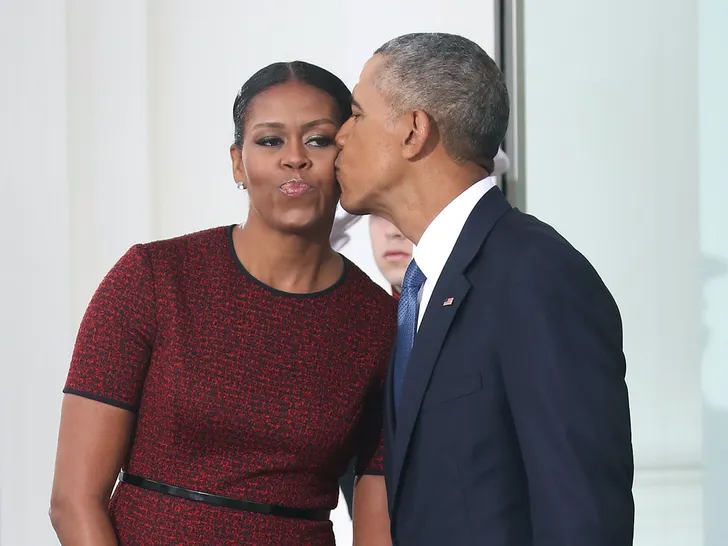
Barack Obama is offering a rare and candid reflection on his marriage to Michelle Obama, describing it as a partnership that has not always been evenly balanced. Speaking to People magazine during coverage tied to the opening of the Obama Presidential Center in Chicago, the former U.S. president suggested that the relationship has been more beneficial to him than to his wife in certain ways. The comments have sparked renewed public interest in the couple’s long-standing marriage, which has remained one of the most closely watched relationships in modern political life.
In the interview, Barack Obama directly addressed the idea of equality within his marriage, stating that he does not believe their relationship has operated as a strict 50-50 partnership.
Instead, he admitted he feels he has “gotten more out of it” than Michelle Obama, adding that in his view, the marriage has been more of a “mixed bag” for her at different stages.

Barack expanded on his perspective, emphasizing how deeply his wife has influenced his personal growth and family life. He noted, “Just being with her made me better, and she still does,” while also highlighting the foundation she helped build for their children, which he says has had a lasting impact.
Michelle Obama, however, pushed back against that framing. According to the same interview context, she rejected the idea that she drew the short end of the deal in their 34-year partnership. Instead, she characterized Barack’s comments as humility-driven rather than factual imbalance, suggesting he tends to deflect attention away from himself.
Michelle also reflected on her own life trajectory, noting she could have remained in Chicago and still lived a fulfilling and happy life without becoming First Lady. However, she acknowledged that her life with Barack expanded her world significantly, offering experiences and opportunities she described as broader than what she might have otherwise known.
The exchange presents a nuanced view of one of the world’s most recognizable couples—two public figures who have spent decades navigating marriage under intense global scrutiny.
Barack and Michelle Obama have been married for more than three decades and remain one of the most influential political couples in modern American history. Their partnership spans Barack Obama’s rise from community organizer to U.S. president, with Michelle Obama serving as First Lady during his two terms in office.
Throughout their public life, the couple has frequently spoken about the challenges of balancing family responsibilities, political demands, and personal identity under constant public attention. Their marriage has often been cited in media and cultural discussions as a model of resilience, communication, and mutual influence.

The current comments were made in connection with the opening of the Obama Presidential Center in Chicago, a major post-presidency project aimed at preserving Barack Obama’s legacy and civic engagement initiatives. The moment provided a reflective backdrop for both Barack and Michelle to revisit their personal journey as a couple.
Public fascination with the Obamas extends far beyond politics, largely because their relationship has been framed as both aspirational and relatable. Comments like these offer a rare glimpse into how high-profile marriages are perceived from the inside, especially when both partners are globally recognized figures in their own right.
Barack Obama’s suggestion that the marriage is not evenly balanced challenges the simplified public narrative of “perfect partnerships,” instead highlighting the complexity behind long-term relationships. Michelle Obama’s response adds another layer, emphasizing perspective, humility, and personal agency.

For audiences, the exchange underscores a broader cultural conversation about emotional labor, shared sacrifice, and how success is measured within marriage—especially in relationships shaped by public life and political legacy.
As of now, widespread public reaction to the comments has not been fully documented in the provided source material. However, given the prominence of both Barack and Michelle Obama, remarks about their marriage typically generate significant discussion across social media platforms and news commentary spaces.
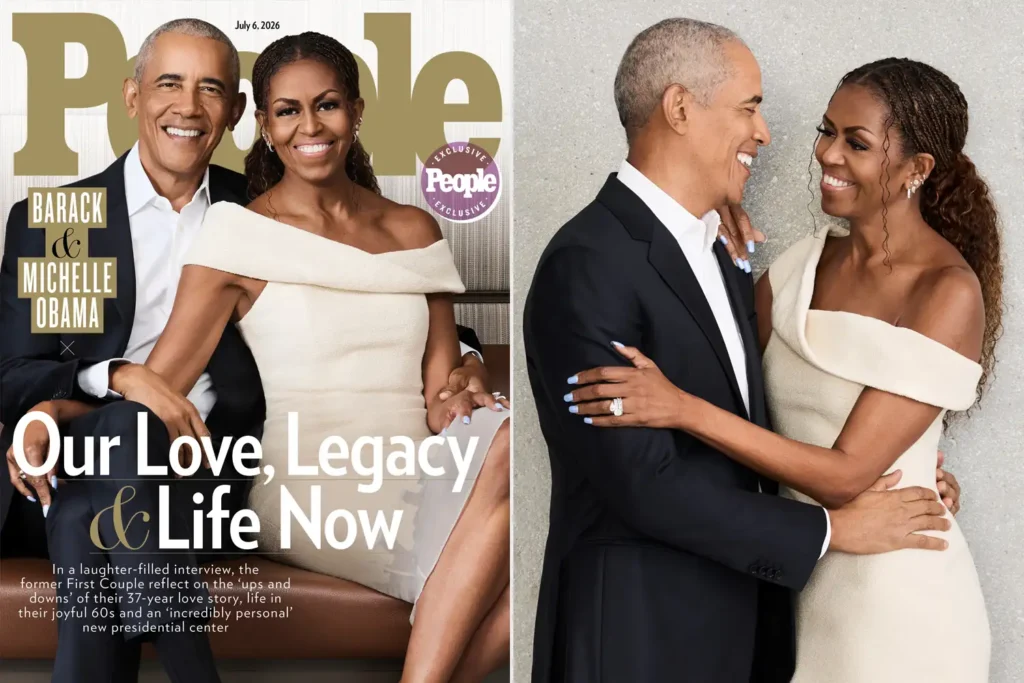
Audience interest in the couple often centers on their dynamic, mutual support system, and how they have navigated public life together over several decades. Conversations are expected to continue as excerpts circulate and audiences interpret the meaning behind Barack Obama’s remarks and Michelle Obama’s response.
Beyond politics and public image, the exchange highlights a deeply personal reflection between two individuals who have spent most of their adult lives together. Barack Obama’s comments point to admiration and gratitude, while Michelle Obama’s response reinforces independence and perspective within the relationship.
At its core, the moment reflects how long-term partnerships evolve—shifting between support, sacrifice, growth, and differing perceptions of shared experience. It’s a reminder that even globally recognized couples interpret their own stories in different, sometimes contrasting, ways.
As the Obama legacy continues to evolve beyond the White House, their reflections on marriage offer a rare look into the private dynamics behind a very public life. The question now is how audiences interpret that balance between perception and reality.
