



A courtroom decision just changed the tone of one of Chris Brown’s latest legal battles — and one of the biggest chapters from his past won’t be entering the conversation.
Ahead of an upcoming civil trial involving allegations of a dog attack at his Los Angeles property, Chris Brown secured a key ruling that could shape what jurors ultimately hear.
The decision centers on whether one of the most publicly discussed incidents of his career would become part of the case.
For now, the answer is no.
According to court documents, a judge granted Brown’s request to prevent evidence connected to his 2009 assault case involving then-girlfriend Rihanna from being introduced during trial proceedings.
The ruling comes as Brown prepares to defend himself against claims brought by former housekeeper Maria Avila.
Avila alleges she suffered serious injuries after being attacked in 2020 by a large dog named Hades while taking out trash at Brown’s Los Angeles residence.
Brown has denied responsibility for the alleged injuries.

Previous reporting indicated his legal team argued Avila may have contributed to the incident by provoking the animal.
As trial preparations continued, both sides reportedly fought over what information should be allowed before jurors.
Avila’s side wanted permission to reference Brown’s past criminal history involving Rihanna.
Brown’s attorneys argued those details had nothing to do with the civil claims being decided and could unfairly influence jurors.
And then the court made its call.
The judge agreed with Brown’s position and excluded that evidence from being presented.
That doesn’t end the lawsuit — but it changes what the jury may consider.
The lawsuit traces back to allegations involving Brown’s dog and an incident that allegedly occurred at his home in Los Angeles.

Avila claims she was performing routine work duties when the encounter happened.
Brown disputes legal responsibility and continues contesting aspects of the allegations.
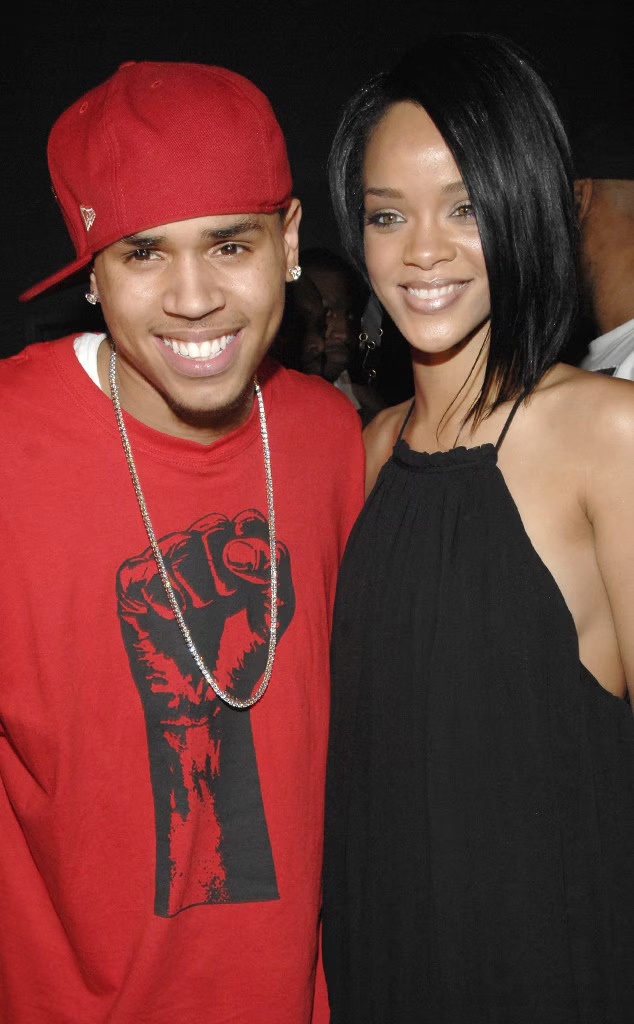
Separate from this dispute, Brown’s 2009 assault case involving Rihanna became one of the most widely covered celebrity legal stories of its era.
That prior case resulted in legal consequences and remains part of public record.
But in courtrooms, prior conduct is not automatically admissible simply because it exists.
Judges often weigh whether older incidents are directly relevant or whether introducing them risks unfair prejudice.
The moment this update hit social media, reactions split fast.
Some people viewed the ruling as standard courtroom procedure focused on keeping jurors centered on the facts of the current case.

Others questioned whether high-profile public history should ever be completely separated from newer allegations.
Fans immediately noticed how quickly debate shifted away from the dog lawsuit itself and toward broader conversations around celebrity accountability.
Within hours, the legal update became a trending discussion point.
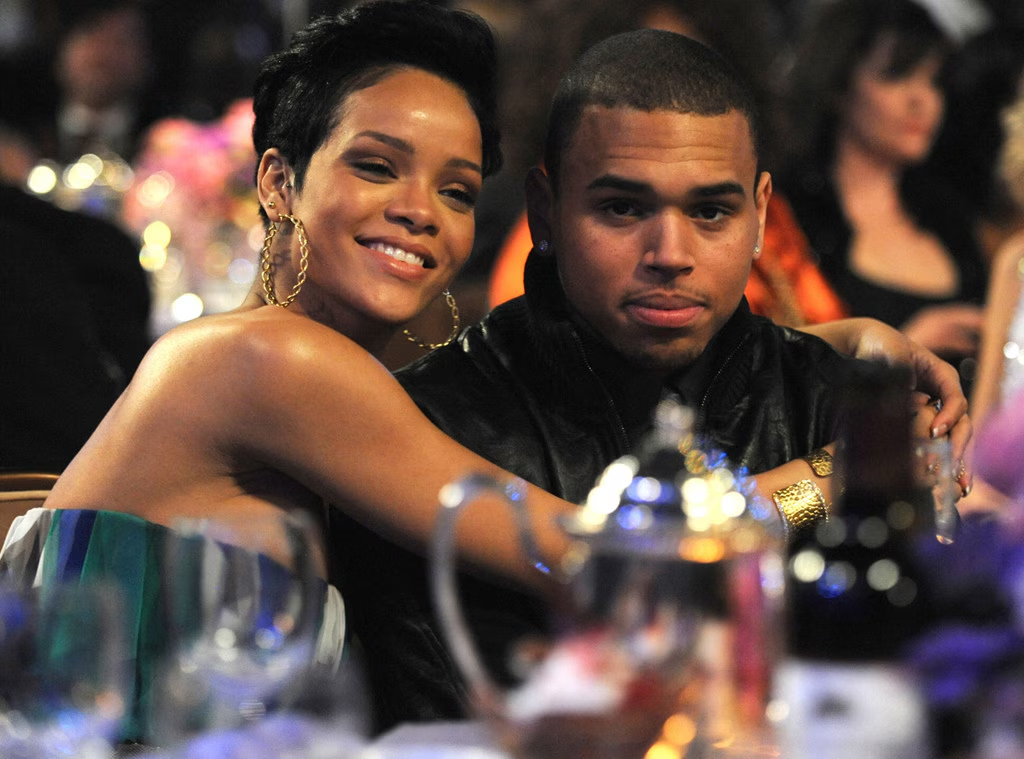
Online reactions reflected two very different interpretations.
Some users argued the ruling protects fairness by limiting unrelated emotional influence.
Others believed jurors should have wider context when evaluating public figures facing legal claims.
Still, the judge’s decision only addresses what evidence may be introduced — not who ultimately wins the case.
It’s unclear whether either side will seek additional motions before trial begins.

One thing became obvious though: people are already treating this like more than just a dog attack lawsuit.
Beyond headlines and courtroom strategy sits a civil case centered on allegations of injury and accountability.
For Avila, the lawsuit represents an attempt to pursue damages through the legal system.
For Brown, the ruling marks a procedural victory — but not a final resolution.
The larger dispute still remains unanswered.
In a case that started with allegations involving a dog, one of the most talked-about moments ended up being about what jurors won’t hear.
Sometimes courtroom drama isn’t about what gets said — it’s about what stays out.
Chris Brown may have won this round before trial even started.
The bigger question now: will that ruling matter once jurors finally hear the case?
