


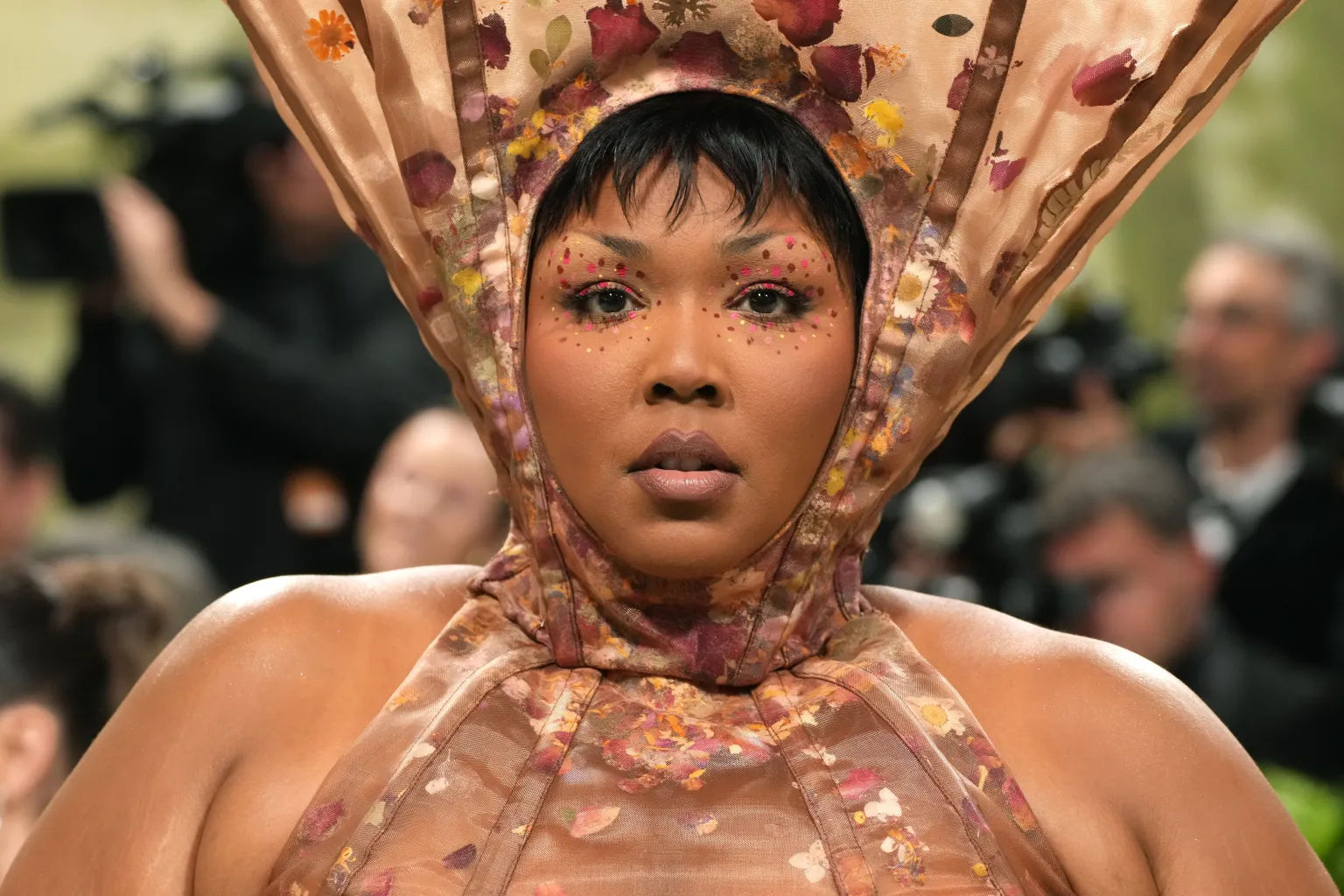
Lizzo’s latest studio album “Bitch” is reportedly off to a slower commercial start compared to her previous releases, with first-week sales significantly lower than her 2022 project Special.
According to Rolling Stone, the album sold around 2,650 copies in its first week, marking a steep drop from the roughly 39,000 units her previous album debuted with.
The performance comes as none of the album’s three singles have managed to enter the Hot 100 chart, raising questions about her current commercial momentum.
The Grammy-winning artist, once known for dominating radio playlists and streaming charts, is now facing a noticeable shift in her commercial performance with her new album cycle.
“Bitch” has not replicated the early success of her earlier hits, with its singles failing to gain traction on major U.S. charts, according to reporting cited from Rolling Stone.

Lizzo addressed the situation directly on X, pointing to broader industry changes and personal challenges affecting her career trajectory.
“…The industry changed so much in the last 3 yrs. streaming replaced radio & I was a radio darling. Not to mention the very obvious & public attack on my career changed things,” she wrote.
Her comments reference a combination of evolving music consumption patterns and external pressures that she says have impacted her visibility and performance in the industry.
The shift marks a contrast from her earlier commercial peak, when tracks like Truth Hurts and Good as Hell dominated charts and earned major award recognition.
Lizzo rose to global fame through a mix of viral hits, radio dominance, and a strong performance-driven brand centered on confidence and self-empowerment messaging.

Her 2022 album Special solidified her position as a mainstream pop force, backed by high-performing singles and strong media visibility.
However, her career has also faced ongoing controversy following a 2023 lawsuit involving allegations made by former backup dancers, including claims of sexual harassment and workplace misconduct. The case remains active in court proceedings.
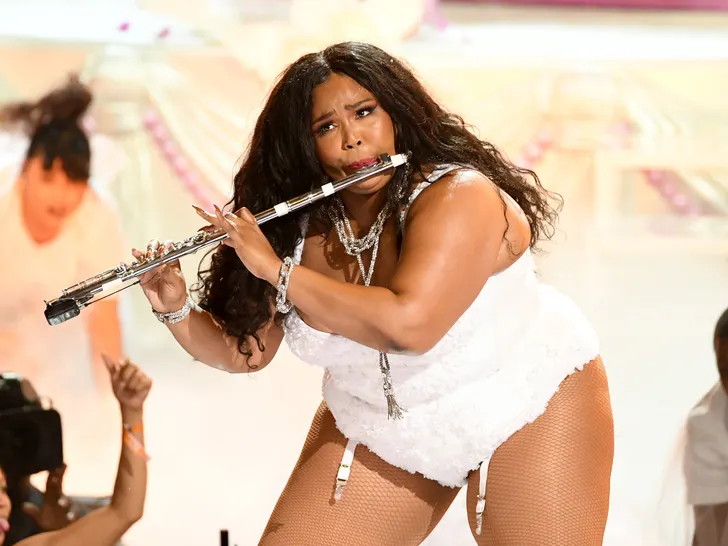
Lizzo has previously responded to the allegations, describing them as misrepresented and stating in a CBS interview that “the truth is less salacious than the headlines.”
Industry commentary cited in Rolling Stone also suggests that modern pop success increasingly depends on building a dedicated core fanbase beyond radio-driven exposure.
Lizzo’s current chart performance highlights a broader shift in how pop success is measured in the streaming era.

Where radio-driven hits once guaranteed long-term visibility, today’s music landscape increasingly rewards sustained digital engagement and fan loyalty ecosystems.
The situation also reflects how public controversies can influence audience perception, especially for artists whose branding is closely tied to identity and authenticity.
Together, these factors create a more volatile environment for even established Grammy-winning performers.
No specific verified social media reactions were included in the report.
However, Lizzo remains a highly discussed figure online, and both her music performance and legal situation continue to generate debate across fan communities and entertainment platforms.

Public reaction is expected to evolve as the album cycle continues and more data becomes available.
Behind the numbers and headlines is an artist navigating a clear transition period in her career.
Lizzo’s public statements suggest a mix of frustration and reflection as she adjusts to a rapidly changing industry landscape.
Despite commercial challenges, she continues to position her focus on authenticity and long-term creative direction.
Lizzo’s latest rollout signals a pivotal moment in her career trajectory as she balances industry shifts, public scrutiny, and evolving audience behavior.
Whether this marks a temporary dip or a long-term reset remains to be seen as the album cycle unfolds.
