



The verdict may be in — but for one family, the fight is far from over.
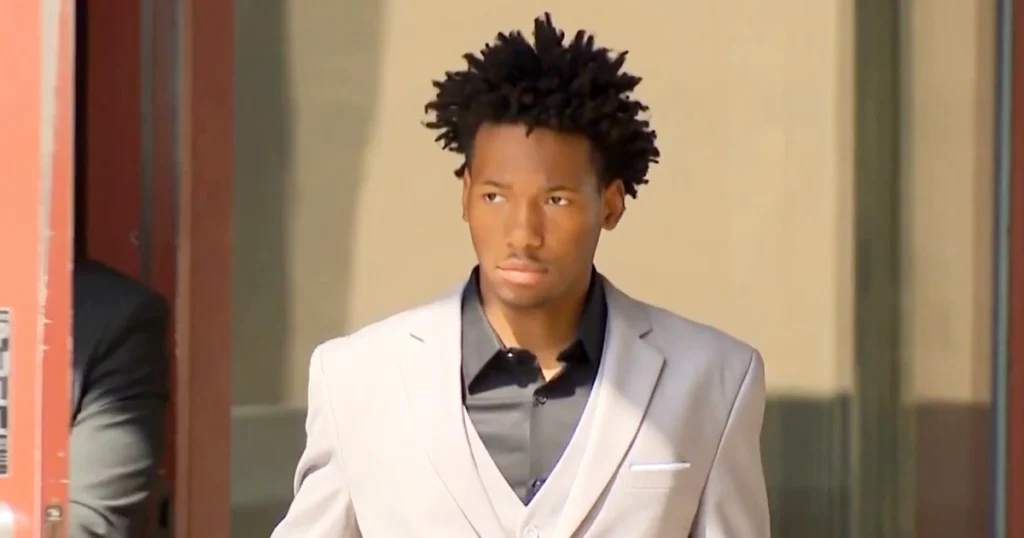
Just days after Karmelo Anthony was convicted and sentenced in the high-profile killing of Austin Metcalf, his parents stepped in front of cameras and made one thing clear: they do not believe justice was served.
In an emotional interview, tears flowed, frustrations surfaced, and allegations about the legal process took center stage.
And their strongest message came without hesitation.
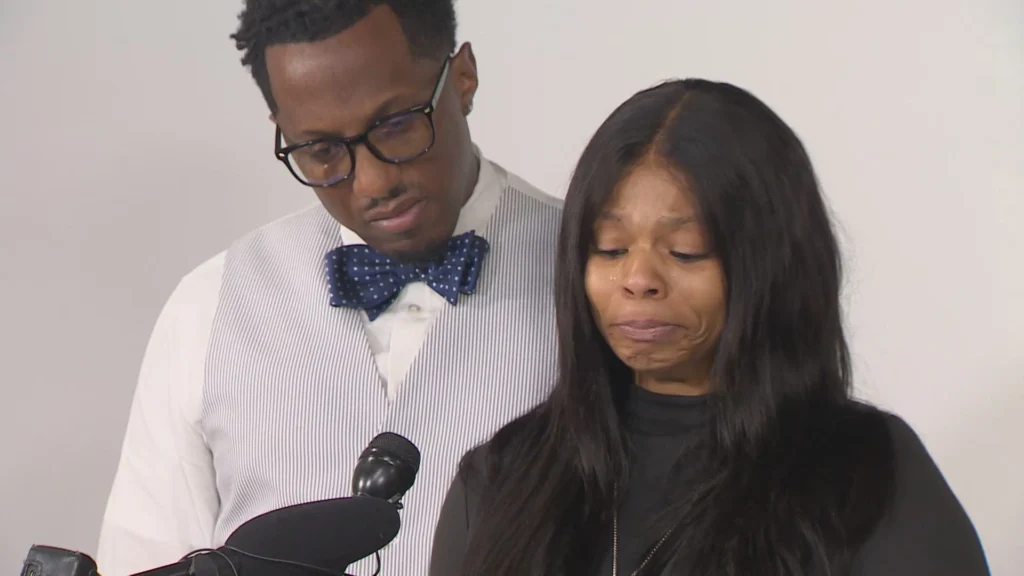
Speaking with interviewer Mimi Brown, Karmelo Anthony’s parents opened up about the aftermath of the guilty verdict that sentenced their son to 35 years in prison.
When asked directly whether they believed Karmelo received a fair trial, his mother, Kala Hayes, responded emotionally.
“Absolutely not,” she said.
Hayes said she believes her son did not receive justice and stated that their family intends to continue pursuing options moving forward.

“We will not stop fighting for justice for my son,” she said.
Karmelo’s father also reflected on the courtroom experience and described the trial as feeling like “a setup.”
The family’s comments arrive after a jury rejected Karmelo’s self-defense argument and convicted him in connection with the fatal stabbing of Austin Metcalf during a Texas high school track meet.
But that wasn’t even the end of the conversation.
Attention quickly turned to concerns raised publicly during and after the trial about jury selection and whether broader issues influenced public perception of the case.
The case attracted national attention long before jurors reached a decision.
Throughout the proceedings, questions surrounding jury selection became part of wider public discussion.
According to reports referenced during coverage of the trial, the prosecution dismissed two prospective Black jurors.

Defense attorneys objected to those dismissals, but the judge overruled the challenge.
Prosecutors reportedly maintained that the process and case presentation were race-neutral.
No court ruling has determined that racial discrimination affected the verdict.
Still, public discussion around those decisions continued after sentencing.
For supporters of the verdict, the outcome reflected evidence presented in court.
For critics, questions remain about fairness and representation.
The story took another turn once public figures entered the conversation.
Representative Jasmine Crockett publicly questioned whether race influenced how the case unfolded and described the outcome as reflecting broader concerns.

At nearly the same time, Cardi B posted criticism of the verdict on social media and suggested Karmelo was being made an example of.
Fans immediately noticed how fast the courtroom conversation spilled into politics, celebrity culture, and online debate.
Within hours, reactions spread across timelines and comment sections.
And then things got really interesting — people weren’t arguing only about the verdict anymore.
Online reactions became sharply divided.
Some people expressed sympathy for Karmelo’s family and argued concerns about jury composition deserve discussion.
Others defended the legal process and emphasized that a jury reviewed the evidence before reaching a conclusion.
Some commenters questioned whether celebrity reactions amplified emotions rather than facts.
Others argued public attention can shine a light on issues people feel deserve scrutiny.
What remains unclear is whether the family intends to pursue specific legal avenues next.
Outside social media arguments and courtroom headlines is a reality no trending topic changes.
One family is mourning the loss of Austin Metcalf.
Another is confronting a prison sentence handed to their son.
Cases like this often become symbols for larger debates — but for those directly involved, the consequences are personal and permanent.
The conviction may have closed one chapter in court.
But judging by the family’s reaction, the public conversation around this case is nowhere near finished.
A verdict ended the trial — not the emotions surrounding it.
Do you think public reaction changes how people view cases like this, or should the courtroom speak for itself?
