


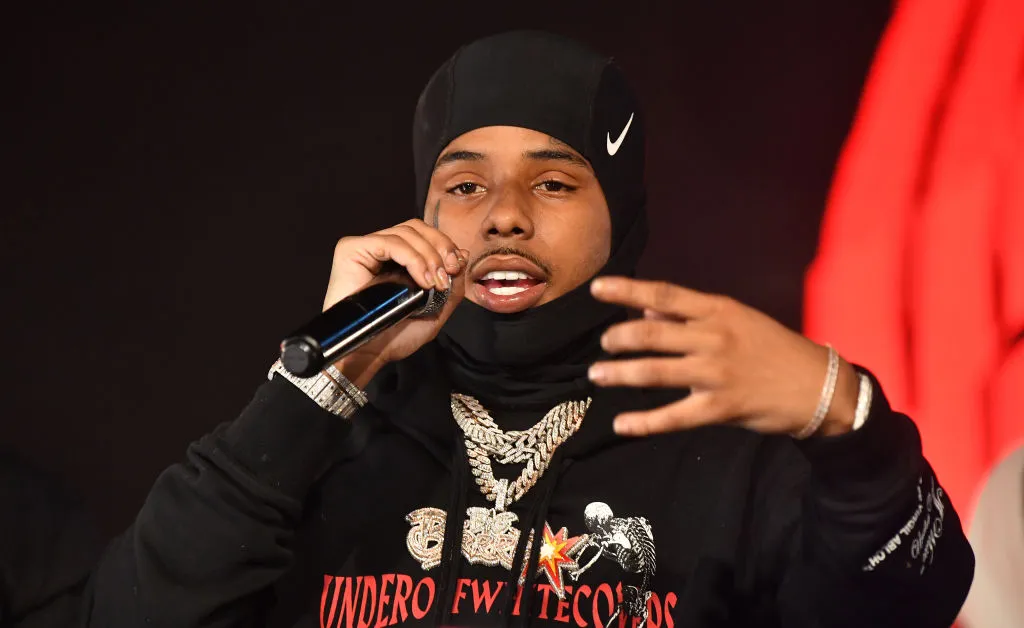
Pooh Shiesty’s father, Lontrell Williams Sr., will remain under strict house arrest after a federal judge rejected his request to leave home to manage his real estate properties in Memphis, Tennessee.
Williams had asked the court to adjust his release conditions, arguing that the restrictions made it difficult to maintain several properties that provide his income and support his family.
However, Judge David L. Horan denied the request, ruling that home incarceration remains the “least restrictive combination of conditions” needed to ensure Williams appears in court and maintain public safety.
The decision keeps Williams under the same court-ordered restrictions as his legal case continues, a situation that has drawn attention because of his connection to rapper Pooh Shiesty.
Williams filed a request last month asking permission to travel within the Western District of Tennessee for work purposes.
In court documents reviewed by Complex, Williams argued that he owns, manages, and is renovating more than eight properties in the Memphis area.

He told the court that handling those responsibilities from home had become increasingly difficult and affected his ability to maintain his business operations.
“It has proven extremely difficult to manage the properties and complete the necessary work without being able to leave his home,” Williams wrote in his filing.
He also argued that the properties represent his “sole source of income” and that the earnings help him support his family and pay legal expenses.
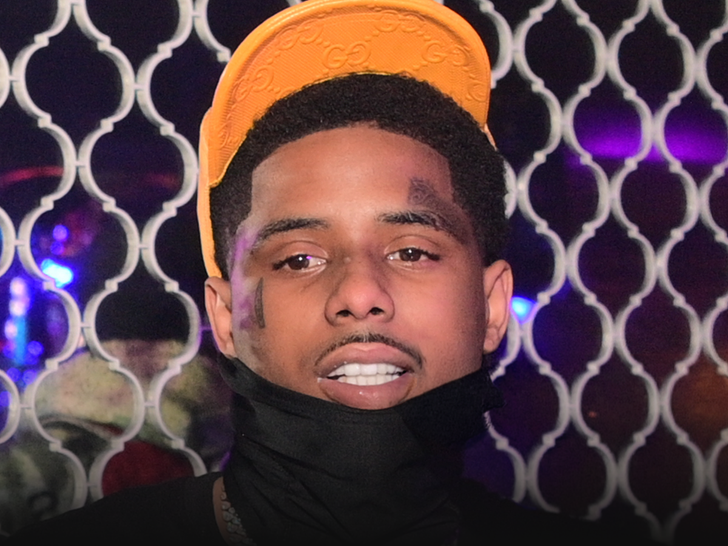
Federal prosecutors opposed the request, arguing that Williams had not shown any significant change in circumstances that would justify modifying the restrictions.
Prosecutors questioned why the property-related work could not be managed remotely through phone calls, internet communication, or other methods while Williams remained at home.
Judge David L. Horan ultimately sided with prosecutors and declined to change the conditions of release.
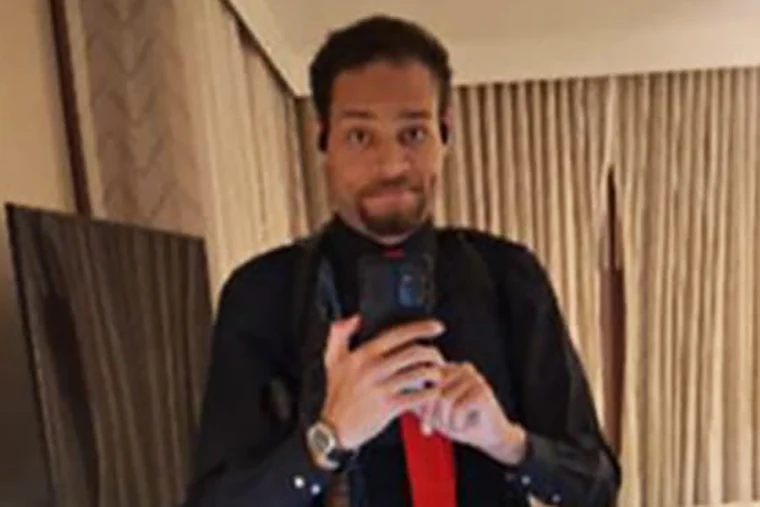
The judge determined that the existing restrictions remain appropriate given the circumstances of the case.
Williams will continue serving a “24-hour-a-day lock-down” requirement at his Memphis residence unless he receives approval for specific exceptions.
Williams’ legal situation is connected to a larger federal case involving allegations against him, Pooh Shiesty, and others.
Williams remains charged with kidnapping and conspiracy to commit kidnapping in a case involving allegations that he, Shiesty, and other individuals forced Gucci Mane to sign a contract at gunpoint.
The allegations have not been proven in court, and both Williams and Shiesty are awaiting trial.
Williams was released in April after posting a $250,000 bond, but his release conditions included strict home confinement requirements.
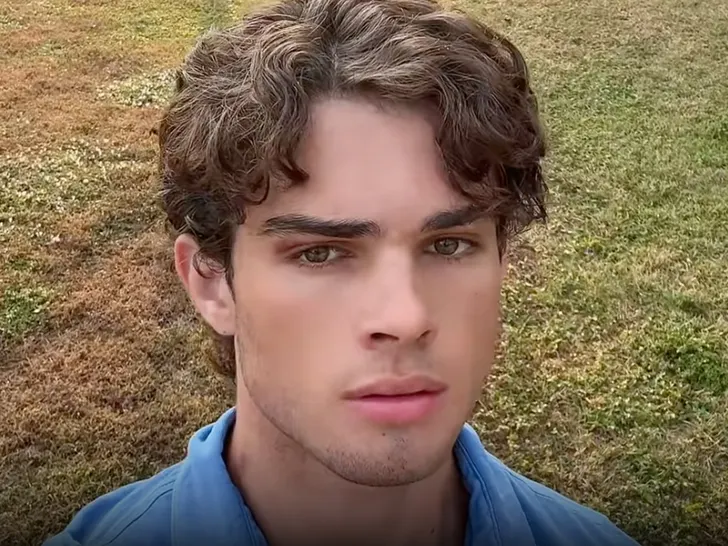
His connection to Pooh Shiesty has made the case a subject of attention within hip hop circles, though the court proceedings remain focused on the legal allegations and evidence.
The ruling highlights how federal courts balance personal and business responsibilities against concerns related to pretrial release conditions.
For Williams, the decision means continued restrictions on his ability to personally manage his properties and conduct daily business activities.
For prosecutors and the court, the issue centers on whether existing restrictions remain necessary while the case moves toward trial.
The decision does not determine the outcome of the charges against Williams or Shiesty. Instead, it addresses the conditions under which Williams can remain released while awaiting further court proceedings.
The provided information does not include specific fan reactions, social media comments, or public responses regarding the ruling.

The conversation surrounding the case has primarily focused on the legal developments and the connection between Williams’ case and Pooh Shiesty.
For Williams, the court decision represents another challenge as he waits for his trial while attempting to maintain his responsibilities outside the courtroom.
He argued that his properties are essential to his financial stability, while the court determined that the current restrictions remain necessary.
The situation reflects the difficult balance defendants often face when managing personal obligations while navigating serious federal cases.
Williams and Pooh Shiesty remain scheduled to appear in court on Feb. 22, 2027, in Dallas, where the larger legal proceedings will continue.
For now, Williams will remain under the same strict home confinement conditions as he awaits his next court date.
