


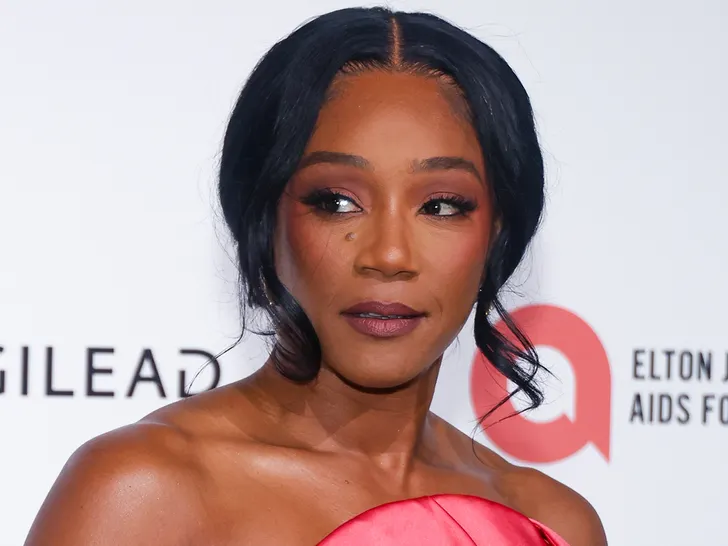
More than four years later, a celebrity DUI case that many assumed would already be over is still making courtroom headlines.
Now, Tiffany Haddish is trying to shut the entire thing down.
The actress argues the long-running legal battle has stretched so far beyond normal expectations that the case should be dismissed altogether.
But prosecutors are pushing back hard — saying delay alone isn’t enough.
And their latest filing suggests they believe Haddish hasn’t shown the court that the wait actually caused measurable damage.
According to newly filed court documents, Georgia prosecutors are urging a judge to reject Haddish’s request to dismiss the DUI case tied to her January 2022 arrest in Peachtree City.
The State acknowledges that the timeline has become unusually long.
But prosecutors argue that delay, by itself, should not automatically end the case.
Their filing reportedly says the extended timeline was not intentional and therefore should carry less weight in evaluating dismissal.

They also draw a distinction between being prepared for trial and formally demanding one.
According to prosecutors, Haddish publicly indicated she was ready to proceed but never made a formal request for an immediate trial — something they argue matters under Georgia law.
Then came another major point of disagreement.
Prosecutors directly challenged Haddish’s claim that the unresolved case damaged her career and restricted international travel opportunities.
According to the filing, the State argues she has not presented supporting evidence showing lost entertainment opportunities or specific travel limitations connected to the pending charges.
And then things got more complicated.
The filing also argues Haddish has not been incarcerated during the case and says stress and anxiety alone generally do not justify dismissal in criminal proceedings.
The latest filing follows Haddish’s earlier attempt to get the case thrown out.
Her legal team argued the lengthy process unfairly disrupted both her personal and professional life.


Attorneys reportedly described the timeline as unprecedented and criticized how prosecutors handled the matter.
But the case has not been entirely one-sided.
Just weeks ago, Haddish secured a partial courtroom victory.
A judge suppressed one field sobriety test along with certain statements connected to the arrest.
That ruling gave her legal team momentum — and sparked speculation about whether broader challenges could follow.
Still, prosecutors are now signaling they believe the remaining case should move forward.
What made this update spread online wasn’t a dramatic hearing.
It was the timeline.
Fans immediately noticed the fact that a DUI case dating back to early 2022 is still active years later.

Social media reactions quickly turned into broader conversations about celebrity treatment in the legal system.
Some questioned whether ordinary defendants would see similar timelines.
Others argued lengthy criminal cases happen more often than people realize.
Within hours, people weren’t only talking about Tiffany anymore — they were debating how justice moves.
Online reactions landed in two camps.
Some users argued prolonged legal uncertainty can create personal and professional consequences even without incarceration.
Others agreed with prosecutors that claims of harm need documentation rather than general statements.
Some fans wondered whether the earlier suppression ruling could still affect future proceedings.
For now, that remains unclear.

What is clear: neither side appears ready to back down.
Behind the filings and legal language sits a reality familiar to many public figures — unresolved cases often become their own form of public pressure.
For Haddish, this isn’t only about courtroom arguments.
It’s also about reputation, momentum, and trying to move forward while a case remains open.
For prosecutors, the focus appears to remain on whether legal standards for dismissal have actually been met.
After years of delays, courtroom wins, and legal frustration, the latest twist isn’t whether Tiffany Haddish wants out.
It’s whether the court agrees she’s been harmed enough to let her go.
Four years later, this case still isn’t finished.
The next question may be the biggest one yet: does a long delay mean justice stalled — or just slowed?
