


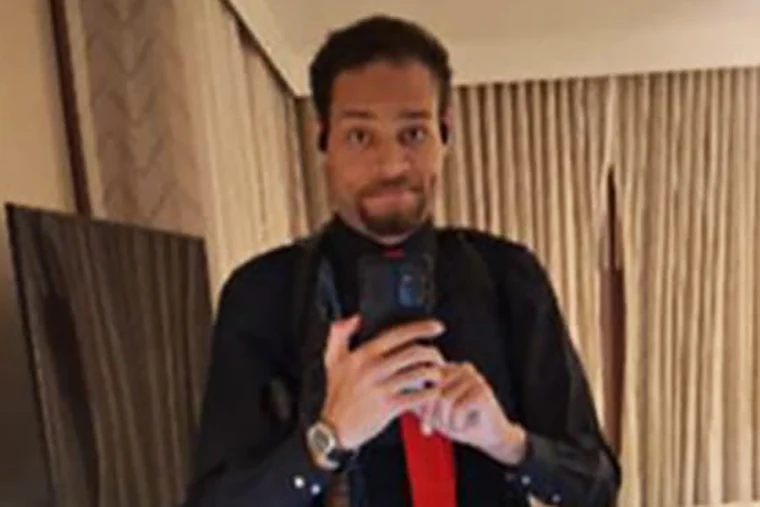
A courtroom meant for justice suddenly turned into something far more unexpected — an apology that nobody saw coming.
Not from a defendant. Not from prosecutors.
But from the judge himself.
In a case involving an alleged plot to assassinate a former U.S. president, emotions were already running high. The stakes? Massive. The accusations? Chilling.
And yet, in the middle of it all, the focus shifted — away from the alleged crime… and onto how the accused has been treated behind bars.
What happened next left the entire room stunned.
The man accused of attempting to kill Donald Trump just received something few defendants ever get — sympathy from the bench.
During a tense hearing, Zia Faruqui didn’t hold back as he criticized jail officials over the treatment of 31-year-old Cole Allen.
Allen, prosecutors say, allegedly tried to infiltrate the White House Correspondents’ Dinner with the intent to carry out an attack on Trump and other high-profile officials.
But instead of focusing solely on the charges, the courtroom zeroed in on something else entirely.
Allen had reportedly been placed on suicide watch following his arrest — a move that came with extreme restrictions.
We’re talking 24/7 confinement in a “safe cell.”
No phone calls. No visits, aside from legal counsel.
And, according to claims raised in court, he was even denied access to a Bible despite repeated requests.
Prosecutors argued the strict conditions were necessary. They pointed to statements Allen allegedly made — including that he didn’t expect to survive the attack — suggesting he could be a danger to himself.
But the judge wasn’t buying it.
Not even close.

Instead, Faruqui drew a sharp comparison to defendants involved in the January 6 Capitol Riot, noting he had never seen such harsh confinement measures used in those cases — especially for someone with no prior criminal record.
And then things got really interesting…
In a moment that stunned the courtroom, the judge turned directly to Allen and issued an apology.
“Mr. Allen, I’m sorry that things have not been the way they are supposed to,” he said.
Yes — a federal judge apologizing to an accused would-be assassin.

Let that sink in.
But that’s not even the wildest part…
Faruqui didn’t stop at words. He ordered jail officials to immediately provide updates on Allen’s housing conditions and pushed for him to be moved into a less restrictive environment — one with windows, proper legal access, and basic accommodations.
Even though Allen’s attorneys had already withdrawn a motion challenging his confinement, the judge insisted on holding the hearing anyway — signaling what he described as “grave concerns.”
And just like that, the narrative of the case shifted.
At the center of this unfolding drama is a high-stakes and deeply alarming allegation.
Cole Allen is accused of plotting to infiltrate the White House Correspondents’ Dinner — a high-profile event attended by politicians, journalists, and celebrities — with the alleged goal of carrying out an attack.
The incident reportedly involved gunfire and a confrontation with law enforcement, adding urgency and seriousness to the case.
Meanwhile, Donald Trump — the alleged target — remains one of the most polarizing figures in modern politics, with any threat against him instantly becoming national news.
Cases like this are typically handled with maximum security and caution, especially when public safety is involved.
But as this hearing revealed, how a suspect is treated before trial can become just as controversial as the accusations themselves.

The moment the judge’s apology hit the internet, everything exploded.
Clips, quotes, and reactions spread rapidly across social media platforms.
Fans immediately noticed the unusual nature of the exchange — a judge publicly criticizing the system and siding, at least in part, with the accused.
Within hours, the story began trending, with users replaying the apology and debating what it means for the justice system.
The internet had thoughts — and they were not holding back.
Some called it a powerful stand for fairness. Others were shocked that sympathy was extended in such a serious case.
Either way, people couldn’t stop talking about it.
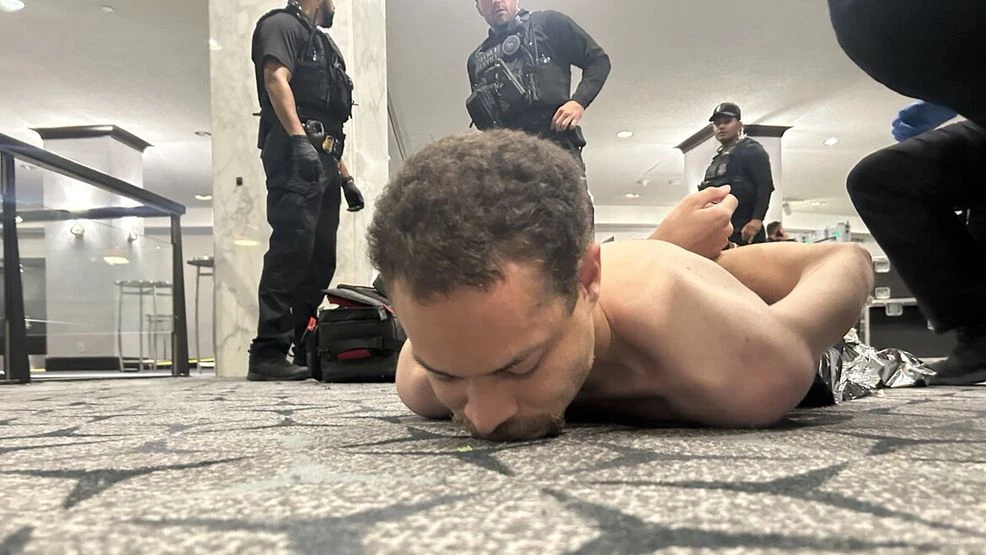
Online, reactions are sharply divided.
Some believe the judge’s comments highlight a deeper issue — that even those accused of serious crimes deserve humane treatment and due process.
Others question whether the focus is being misplaced, given the severity of the allegations.
It’s unclear how this moment will impact the broader case, but legal observers are already speculating that the judge’s stance could influence future proceedings.

Some fans even believe this could shift public perception of Allen — at least temporarily — while others insist the charges remain the most important factor.
For now, questions outweigh answers.
Strip away the headlines, and what remains is a complicated human story.
On one side, there are serious allegations involving potential violence at a high-profile event.
On the other, a man sitting in a jail cell — isolated, under strict conditions, and now at the center of a debate about fairness and treatment.
Moments like this force a difficult conversation: how should justice balance security with humanity?
It’s not a simple answer — and this case is proving exactly why.
In a case defined by fear, security, and high-stakes accusations… the most unforgettable moment wasn’t about the alleged crime.
It was a judge looking directly at the accused — and saying sorry.
Because sometimes, the most shocking twist in a courtroom… isn’t the verdict.
It’s the humanity.
One thing’s certain — this case just took a turn nobody expected. But was this a powerful stand for justice… or a moment that crossed the line?
