


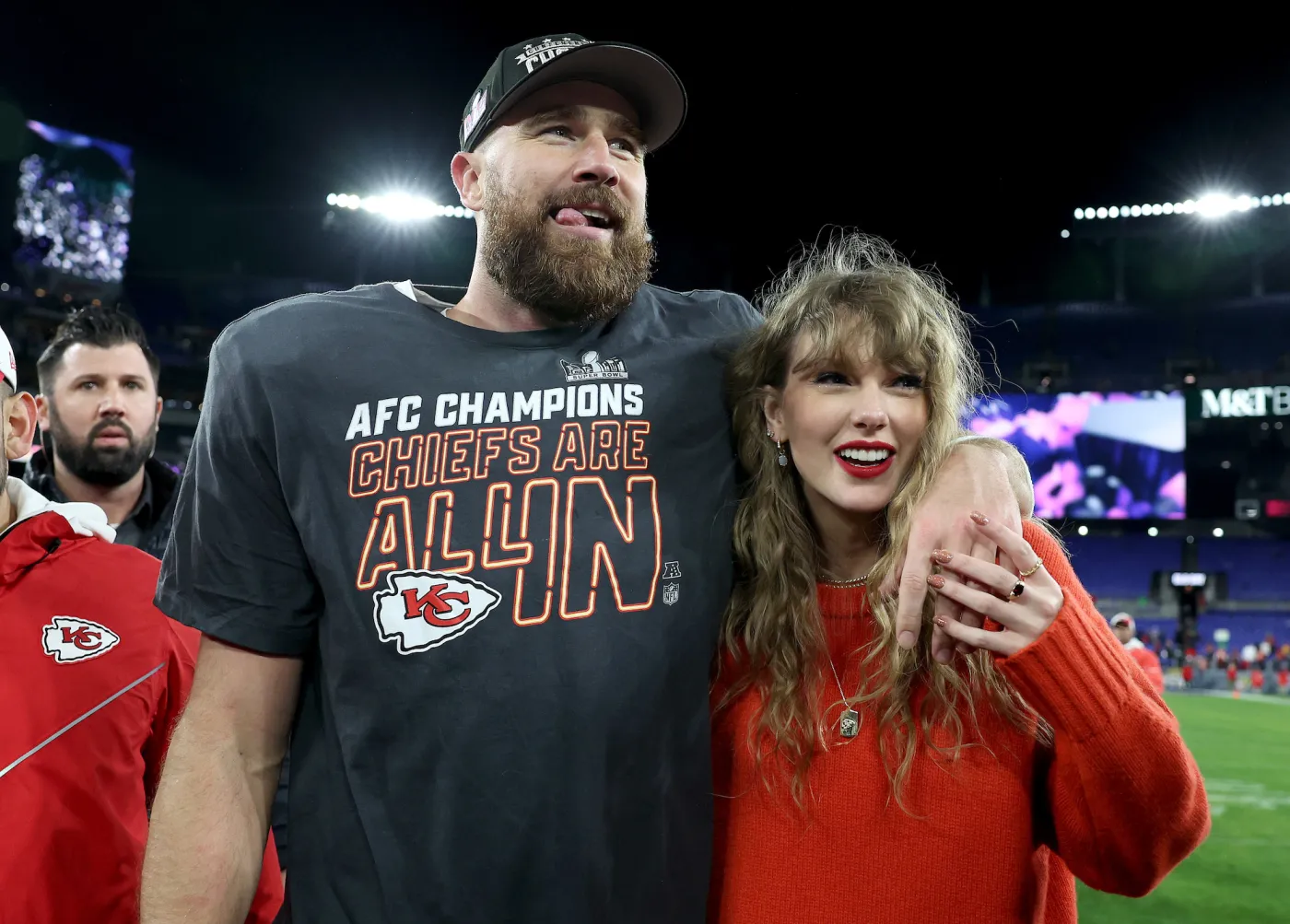
Taylor Swift and Travis Kelce’s reported wedding guest NDA is drawing attention after new details suggest it does not include any financial penalty for violations.
According to sources with direct knowledge, the electronic agreement sent to guests ahead of the event focuses on privacy expectations rather than enforceable monetary consequences.
The development adds another layer to the already highly controlled security setup surrounding the couple’s upcoming celebration.
Sources with direct knowledge tell TMZ that the NDA distributed to guests for Taylor Swift and Travis Kelce’s wedding does not include any financial penalty.
The agreement reportedly also does not outline any formal punishment for violations, meaning guests would not face direct monetary consequences if they were to disclose details about the event.

The NDA is electronic and appears to be part of a broader effort to manage privacy ahead of the highly anticipated wedding festivities.

In addition, the agreement reportedly does not include a film or media rights clause. That means guests are not signing away rights for their appearances to be used in a documentary or streamed special, making such a project less likely based on current details.
As previously reported, the couple is expected to host between 1,100 and 1,200 guests at Madison Square Garden in New York City on July 3 for their wedding celebration.
Security around the event is already being described as extensive, with multiple measures designed to protect the location and timing of the ceremony.
One key detail includes invitations that were individually watermarked with each guest’s first and last name repeatedly throughout the document. Sources say this makes it easier to trace any invite if it is leaked or shared publicly.
The invitations themselves reportedly avoid naming Madison Square Garden directly, listing only “New York City” and the July 3 date, keeping the venue confidential.
A permit was also reportedly filed with New York City to close streets surrounding Madison Square Garden from July 2 through midday July 4, signaling a major controlled event in the area.
Taylor Swift is one of the most globally recognized music artists, known for record-breaking tours, album releases, and a highly engaged fanbase.
Travis Kelce is a star NFL tight end for the Kansas City Chiefs, widely recognized both for his on-field success and his high-profile relationship with Swift.
The couple’s relationship has been one of the most closely followed celebrity pairings in recent years, often dominating entertainment and sports headlines simultaneously.

Madison Square Garden, located in New York City, is one of the most iconic entertainment venues in the world, frequently hosting major concerts, sports events, and high-profile gatherings.
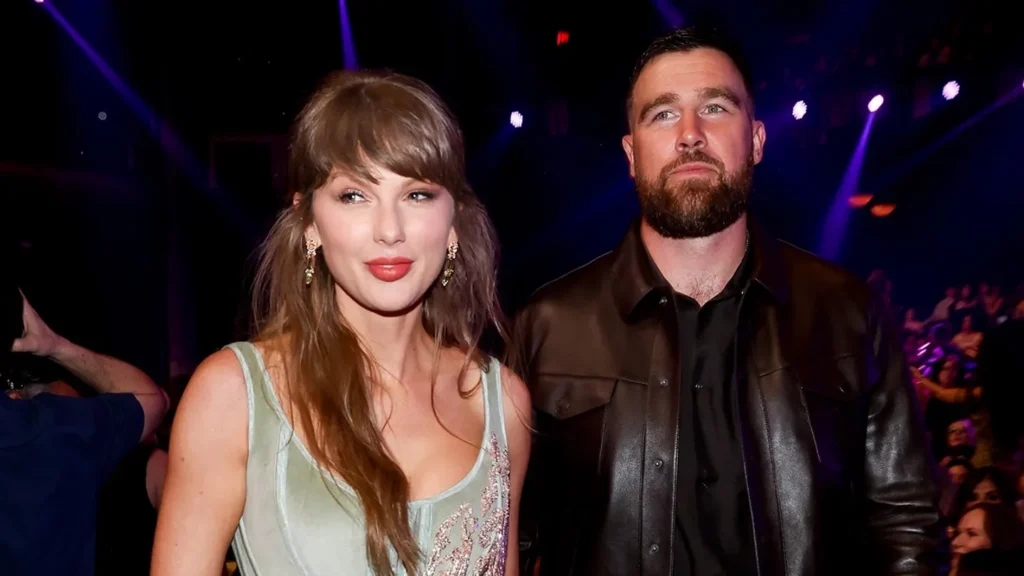
High-profile celebrity weddings often involve layered privacy controls, especially when global public interest is as intense as it is in this case.
NDAs are typically used to prevent leaks, but the absence of financial penalties in this reported agreement suggests a different approach focused on trust, access control, and traceability.
The use of individualized watermarking and limited-location disclosure indicates a broader strategy to identify leaks rather than financially punish them.
Given the scale of the guest list and global attention, even small details from the event could generate significant media coverage, making security and confidentiality central concerns.

No specific public or social media reactions were included in the source material regarding the NDA details.
Attention around the report has largely focused on the scale of the guest list and the unusual nature of the privacy measures described.
Behind the headline-level security details is a private event being shaped under extreme public attention.
For any high-profile couple, especially one involving global celebrity status, managing privacy becomes a complex balance between celebration and exposure.
The reported approach to guest management reflects an effort to reduce leaks without relying on strict financial deterrents, instead emphasizing accountability through traceability and discretion.
With the wedding just days away, all eyes remain on how tightly controlled the event will be once guests begin arriving in New York City.
