


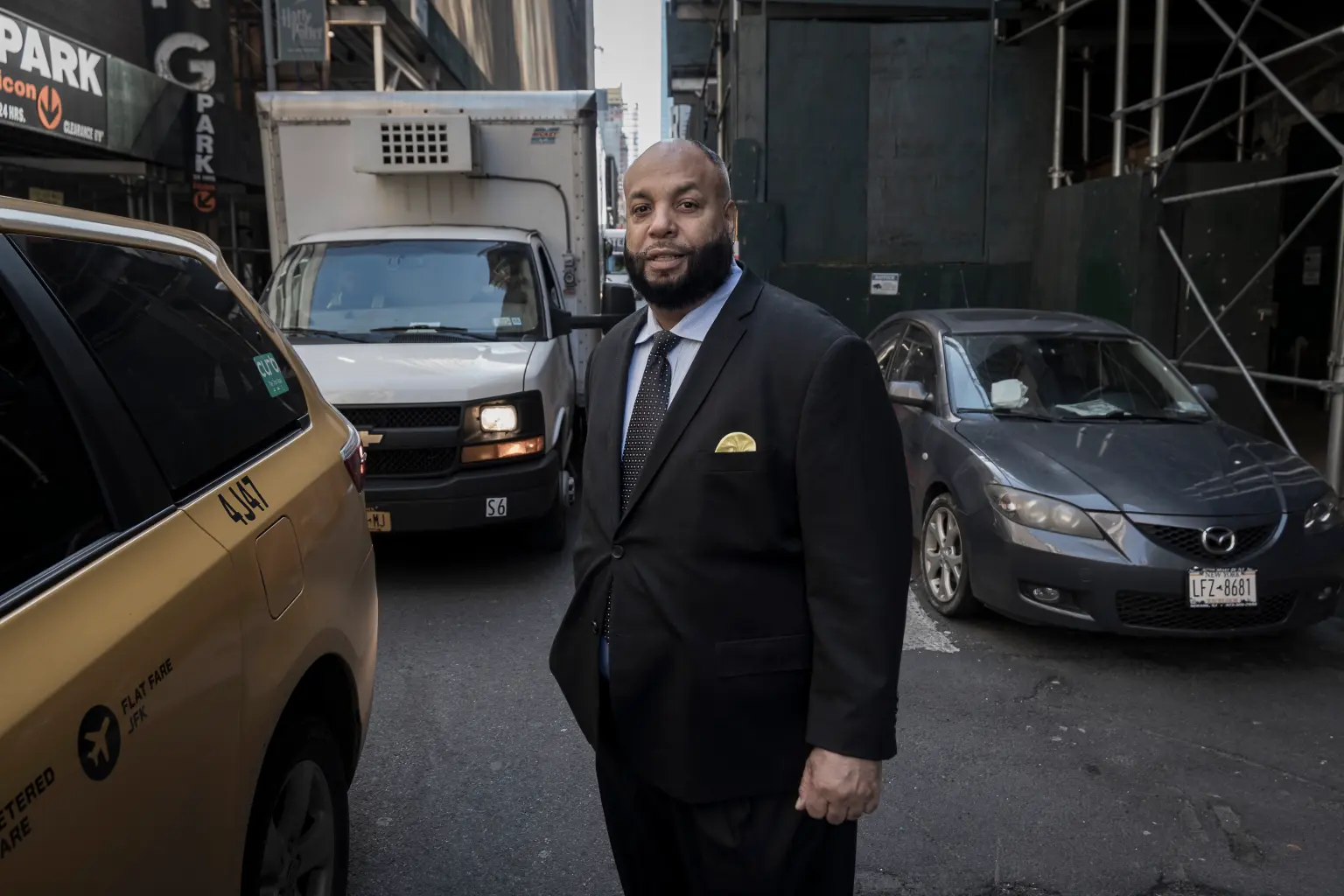
Derrick Parker, the former NYPD detective who became known around the Hip-Hop world as the “Hip-Hop Cop,” has died at 65.
Parker died unexpectedly on July 24 at a hospital in Nassau County, his family said. His brother, Ralph Parker, confirmed the death but did not disclose a cause.
His funeral is scheduled for Thursday at J. Foster Phillips Funeral Home in Jamaica, Queens.
For more than two decades, Parker worked inside the NYPD, including homicide and cold-case investigations, while developing a reputation for monitoring the movements and conflicts surrounding some of Hip-Hop’s biggest names.
His career eventually placed him at the center of several major moments in rap history — and gave him stories he later documented in his memoir.
Parker rose to prominence during the explosive growth of New York Hip-Hop in the 1990s.
As head of the NYPD’s rap intelligence unit, he monitored artists, entourages and potential conflicts, developing an approach that focused heavily on intelligence gathering and prevention.
His work involved keeping track of artists and groups coming into New York and working with nightclub operators and other law enforcement agencies.

“You have to watch and see who’s coming to your city,” Parker said in a 2024 interview. “Who’s there and who’s what.”
He added, “We can’t track everybody. But when certain people come to the city, you should know who.”
That philosophy made Parker one of the most recognizable law enforcement figures connected to the New York Hip-Hop scene.
His career also intersected with several major investigations.
Parker participated in the investigation into the 1999 Club New York shooting, an incident that led to charges against Sean “Diddy” Combs before he was acquitted. Jennifer Lopez was also briefly detained and released in connection with the investigation.
Parker later described his relationship with Combs as professional.
“I was the law, so he was always friendly,” Parker said. “I’m never hard on these guys.”
His investigative work eventually extended across some of the most significant cases involving Hip-Hop figures.
Parker worked alongside agencies including the U.S. Marshals Service, ATF, DEA and FBI during his law enforcement career.
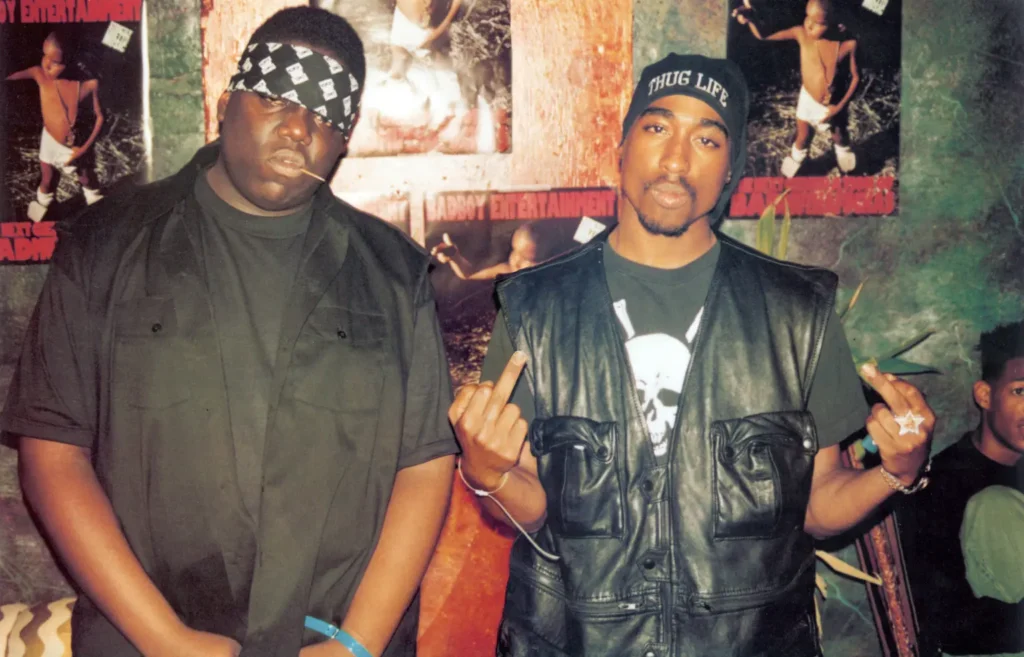
He also investigated cases involving Tupac Shakur, The Notorious B.I.G. and Jam Master Jay, experiences he later chronicled in his book, Notorious C.O.P.
Parker retired from the NYPD in 2002 but remained involved in security and law enforcement-related work.
He later worked in executive protection and event security while continuing to comment publicly on major criminal cases.
Even in the weeks before his death, Parker remained engaged with high-profile investigations.
He had been following the Las Vegas prosecution of Duane “Keffe D” Davis, who faces charges in connection with the killing of Tupac Shakur.
Parker’s nickname, “Hip-Hop Cop,” came from the unusual position he occupied at the intersection of law enforcement and rap culture.
During the 1990s, New York was a crucial center of Hip-Hop, but it was also a period marked by rivalries, nightclub conflicts and violence surrounding some artists and entourages.
Parker’s role was focused on understanding those dynamics and attempting to prevent conflicts from escalating.
His work brought him into contact with many of the biggest names in rap.
Rather than disappearing from public life after retiring from the NYPD, Parker turned his experiences into a second career involving security, commentary and writing.
His memoir, Notorious C.O.P., gave readers his perspective on investigations involving some of Hip-Hop’s most famous and controversial cases.
He had also hoped to write another book.
“I want to really tell a big, big story about a lot of stuff,” Parker once said.
That book will now remain unfinished.
Parker occupied a unique place in Hip-Hop history.
He was not a rapper, producer or executive, but his career repeatedly intersected with some of the genre’s most important investigations.
His work gave him a firsthand perspective on an era when New York Hip-Hop was rapidly expanding while tensions surrounding artists and their entourages could sometimes spill into serious criminal investigations.
His connection to cases involving Tupac, Biggie, Jam Master Jay and the Club New York shooting made Parker a familiar name to people following the intersection of rap and law enforcement.
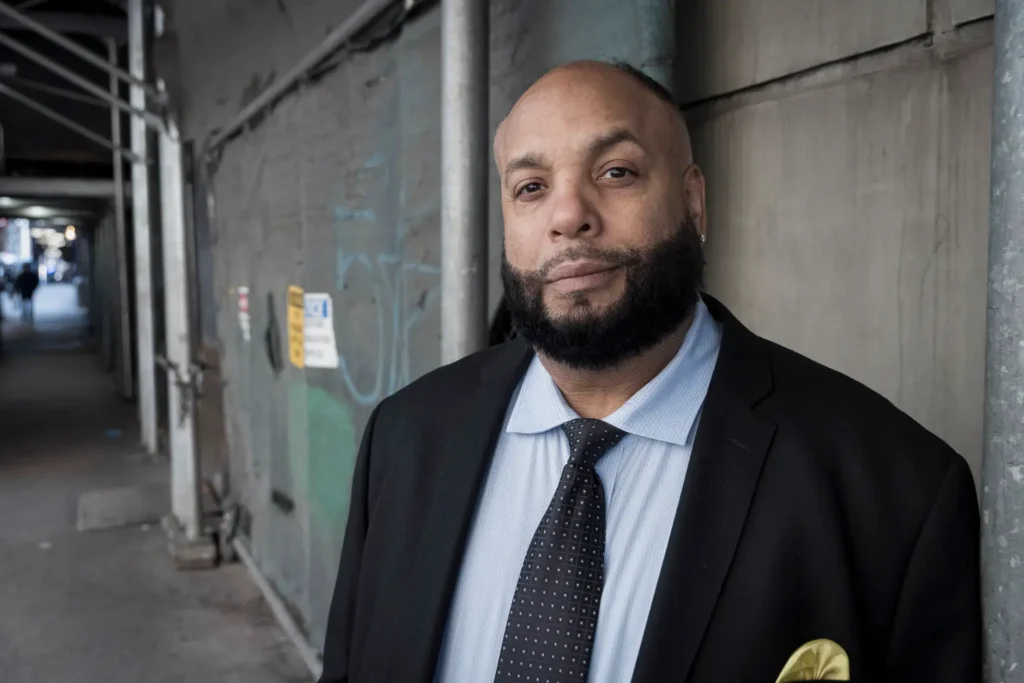
His later work as a commentator also allowed him to remain part of conversations surrounding major criminal cases long after his NYPD retirement.
Parker’s death also came as a personal shock to his family.
His brother Ralph said the two had been planning to go out for dinner for his birthday.
That dinner will now never happen.
“We were supposed to go out to dinner for my birthday,” Ralph said. “Well, I won’t be able to go eat with him.”
Behind the famous nickname and decades of investigations was a brother, colleague and family member whose death has left those closest to him grieving.
Derrick Parker spent decades documenting and investigating the complicated relationship between Hip-Hop and the law. The “Hip-Hop Cop” is gone at 65, but his perspective on one of rap’s most consequential eras remains part of the historical record.
