


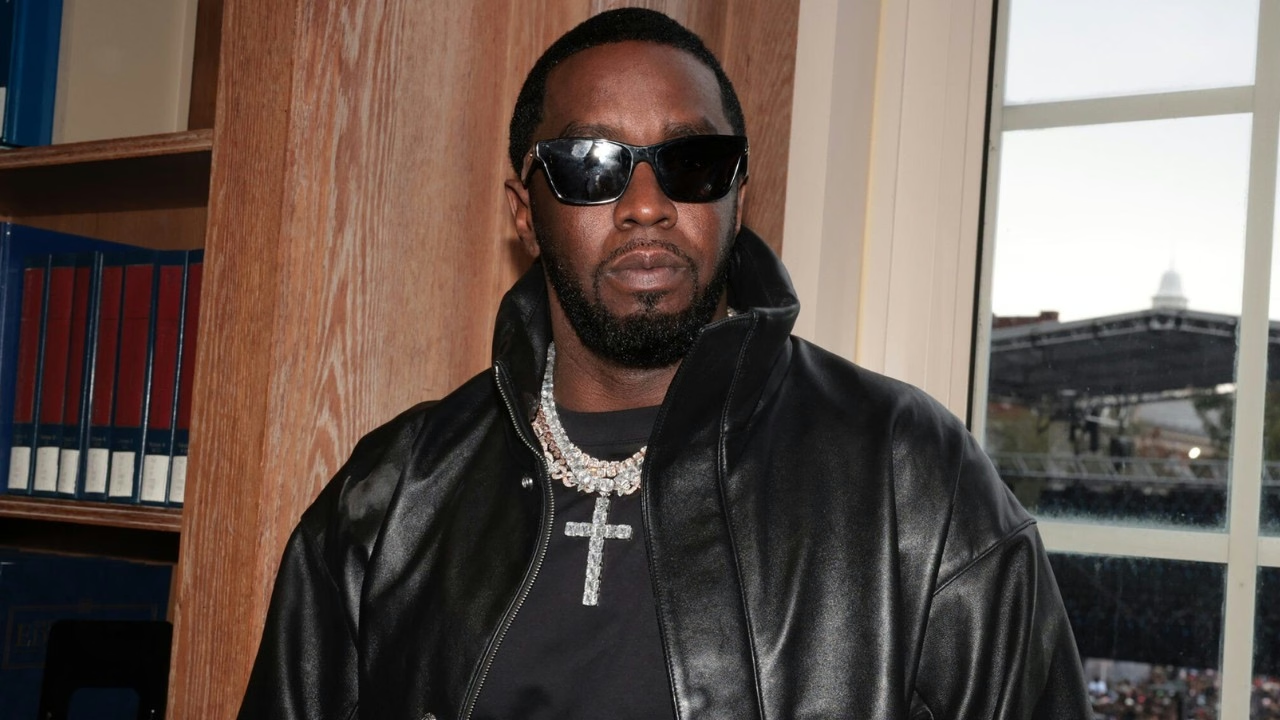
ean “Diddy” Combs, Snoop Dogg, and the estates of The Notorious B.I.G. and Angie Stone are among the names involved in a new copyright lawsuit alleging that two songs used elements from an earlier composition without authorization.
The complaint, filed by songwriters David Bravo and Jean Albert Renaud, claims that the tracks “Nasty Girl” and “I Wanna Thank Ya” incorporated parts of their 1980 song “Skatin’,” originally performed by Eumir Deodato.
The plaintiffs argue that elements of the earlier composition — including harmonic, rhythmic, and melodic components — were used as the foundation for later recordings without proper authorization.
The lawsuit brings renewed attention to long-running debates in the music industry over sampling, ownership rights, and how publishers protect the work of songwriters.
David Bravo and Jean Albert Renaud claim they co-wrote and produced “Skatin’,” a song originally performed by Brazilian jazz musician Eumir Deodato in 1980.
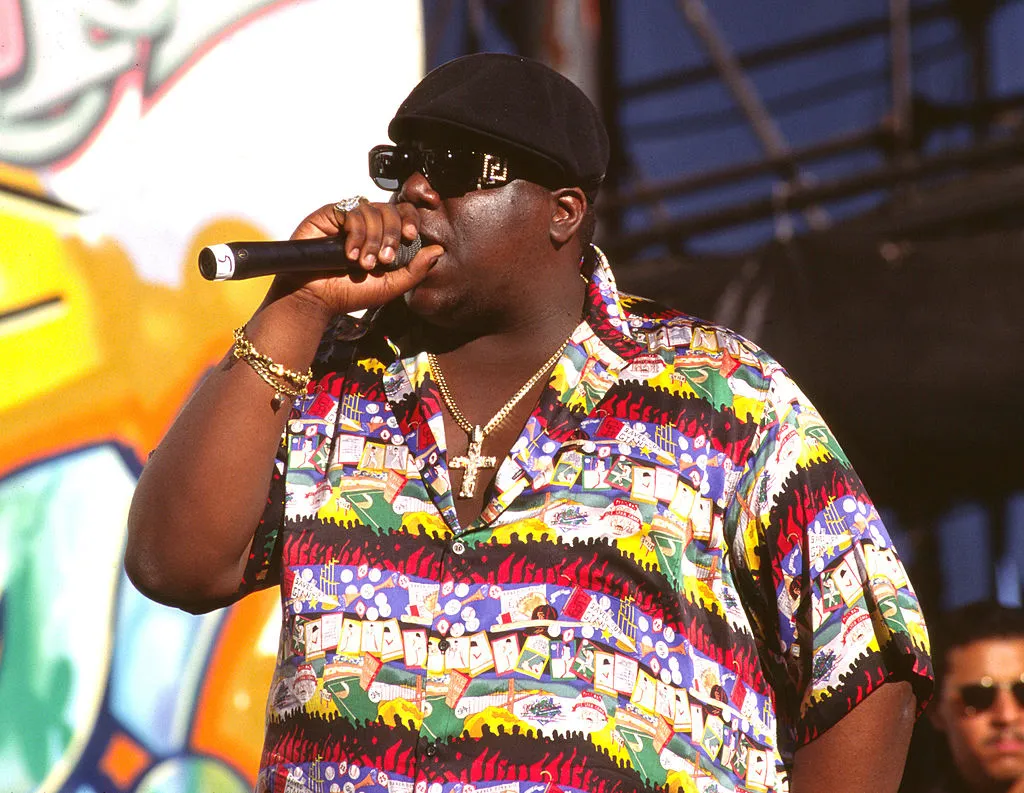
According to the lawsuit, portions of the composition were later used in two songs: The Notorious B.I.G.’s “Nasty Girl,” released in 2005, and Snoop Dogg and Angie Stone’s “I Wanna Thank Ya,” released in 2004.

The complaint alleges that the earlier track’s musical elements were incorporated into the newer recordings to support newly recorded vocals and rap performances.
The lawsuit includes an assessment from musicologist and record producer Thomas Z. Shepard, whom the plaintiffs say identified similarities between the songs.
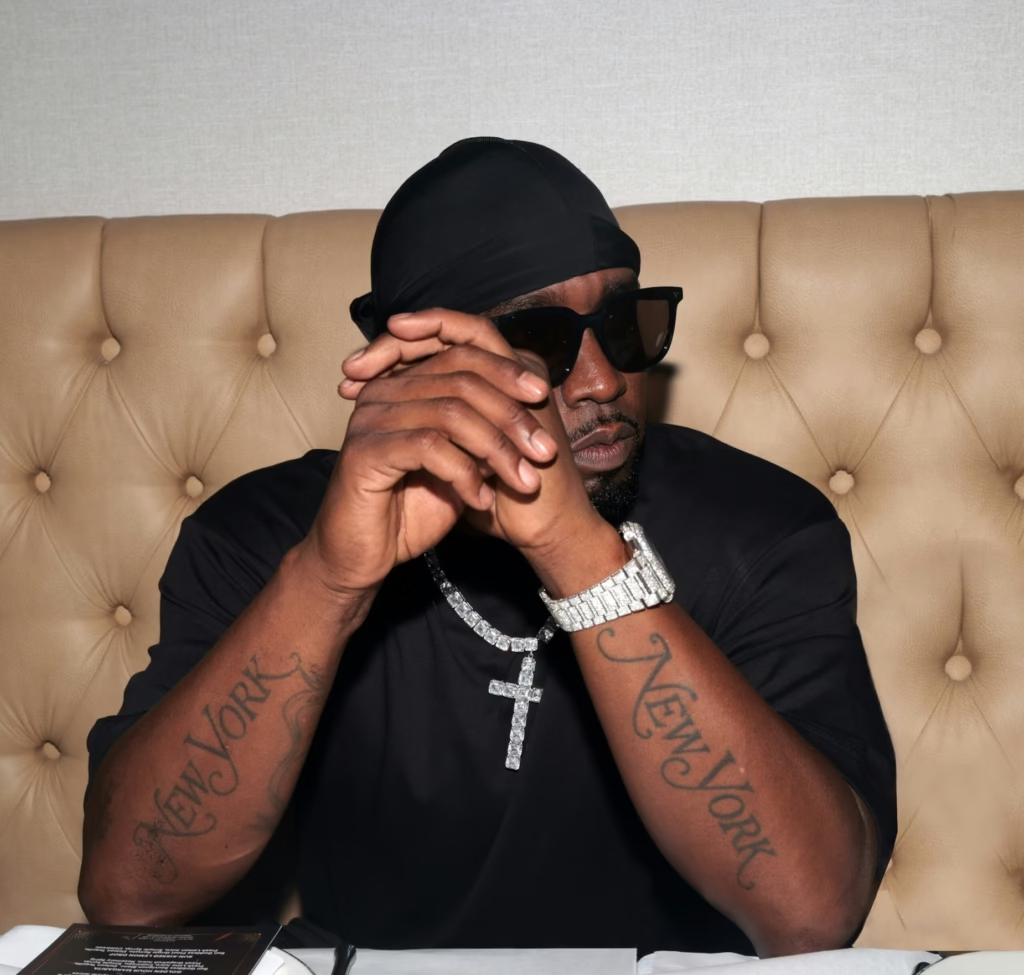
The filing names Sean “Diddy” Combs, the estate of The Notorious B.I.G., and Nelly in connection with “Nasty Girl.”
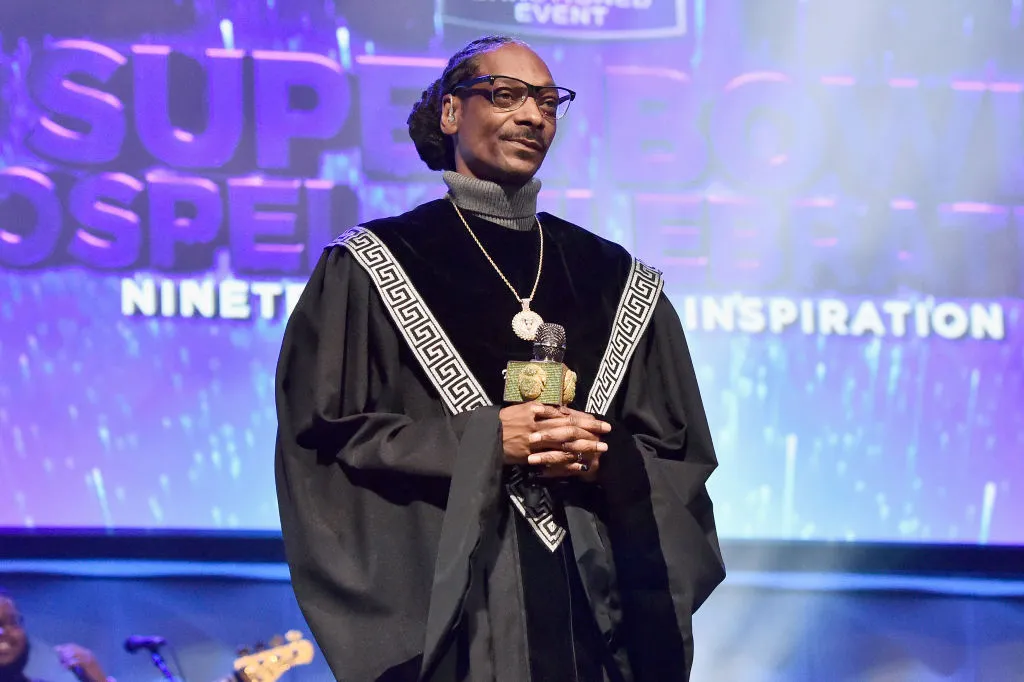
The estate of Snoop Dogg and the estate of Angie Stone are linked to the claims involving “I Wanna Thank Ya.”
Producer Jazze Pha, who received credits on both songs, is also listed as a defendant.
The plaintiffs are also targeting Sony Music Publishing, alleging the company failed to protect their interests as original songwriters.

According to the complaint, Sony’s involvement created a conflict because of its relationships with other writers connected to the later recordings.
The lawsuit states that Sony Publishing “deliberately turned a blind eye” to what the plaintiffs describe as unauthorized use of their work.
The complaint further alleges that the company’s decision not to pursue the matter was not simply an administrative issue but a choice that benefited other clients connected to the recordings.
The allegations have not been proven in court.
Copyright disputes involving samples and songwriting credits have been a recurring issue throughout music history.
As artists build new songs from existing recordings, questions often arise about whether borrowed elements require permission, additional credits, or financial agreements.

The plaintiffs say they did not discover the alleged unauthorized use until May 2024, despite the songs being released years earlier.
Their lawsuit now places focus on the responsibilities of artists, producers, estates, and music publishers when older compositions may be incorporated into newer works.
The case also involves several major names in hip hop and R&B, including Diddy, Snoop Dogg, The Notorious B.I.G., and Angie Stone, whose catalogs have remained influential across generations.
The lawsuit highlights the continuing importance of copyright ownership in the modern music business.
For songwriters and producers, even short musical elements can represent valuable creative contributions that impact publishing rights and royalties.
The case also raises questions about the role of music publishers in protecting creators when disputes emerge involving widely distributed recordings.

With major artists and estates named in the complaint, the outcome could become another example of how courts evaluate claims involving musical similarities and alleged unauthorized use.
The provided information does not include specific fan reactions, social media posts, or public responses related to the lawsuit.
The discussion surrounding the case is currently focused on the legal claims, the artists involved, and broader questions about copyright protection in the music industry.
Behind the legal battle are questions about recognition and ownership for the creators behind original compositions.
Bravo and Renaud argue that their work was used without authorization and are seeking legal recognition of their claims.
For artists, producers, and songwriters across the industry, cases like this highlight why agreements, credits, and publishing rights remain critical parts of the creative process.
The lawsuit involving Diddy, Snoop Dogg, and multiple music estates is now placing a spotlight on the complicated world of sampling and copyright ownership.
As the case moves forward, the central question will be whether the alleged similarities between the songs amount to unauthorized use under copyright law.
