


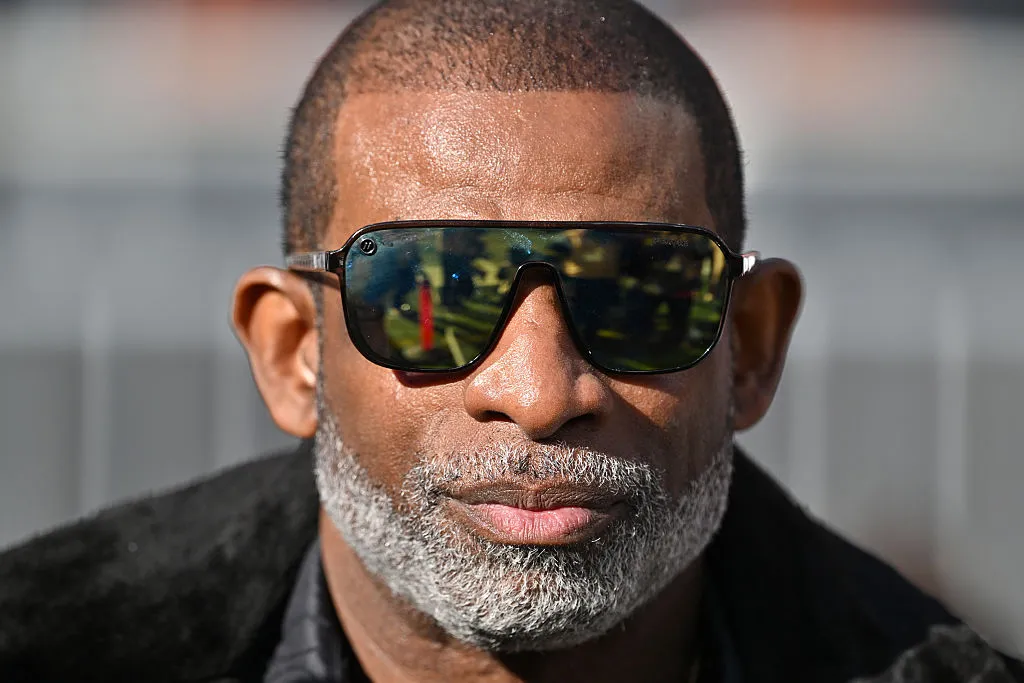
Nearly two decades after Young Dro helped cement Deion Sanders’ name in Atlanta hip-hop history, Coach Prime is finally addressing the rapper’s longtime frustration.
The Grand Hustle artist recently revealed that he had been disappointed that Sanders never publicly acknowledged the famous reference to him in the 2006 hit “Shoulder Lean,” despite seeing the football legend support other artists over the years.
Sanders has now responded, saying the lack of recognition was never intentional and apologizing if his team failed to show Young Dro the appreciation he deserved.
The exchange brings a surprising conclusion to a conversation that started nearly 20 years ago.
During an appearance on The Water Boyz Show, Young Dro opened up about what he described as a personal issue with Deion Sanders.
The rapper explained that he respected Sanders’ history of supporting musicians and bringing artists around his programs, but he felt overlooked despite referencing the NFL Hall of Famer in one of his biggest songs.
“I have a little beef with Deion Sanders,” Dro said.

He continued:
“Because I always see him reach back to artists and was bringing them out when he was at Colorado. He used to bring artists up. But nobody ever mentioned him but me in a number one hit.”
The song at the center of the conversation is “Shoulder Lean,” Young Dro’s 2006 breakout single featuring T.I.
The Atlanta anthem became one of the defining records of Southern hip-hop during that era, with Young Dro including the lyric:
“Red, black, and white Chevy, man, I’m ridin’ Deion [Sanders].”
The reference connected Sanders’ iconic name with a major hip-hop moment, helping introduce his legacy to a new generation of music fans.
After Dro’s comments gained attention, Sanders addressed the situation during an appearance on THE CFB SCOOP.

Coach Prime explained that he was not aware of the reference and said he does not closely follow current music trends.
He added that he often relies on his children to keep him updated on new artists and songs.
“First of all, I don’t listen to too much music, but my kids keep me up on game,” Sanders said.
Sanders said he would never intentionally ignore someone who paid tribute to him through their art.
“There’s no way that somebody would have put me in the song and I wouldn’t have shown them love. Ain’t no way in the world.”
He then apologized to Young Dro and thanked him for helping keep his name alive through hip-hop.
“I apologize on behalf of my team if we didn’t show you the love that you deserve and the respect that you deserve.”

Young Dro became a major name in Atlanta rap after releasing “Shoulder Lean” in 2006.
The song, released through Grand Hustle, featured labelmate T.I. and became one of the biggest records associated with Atlanta’s mid-2000s hip-hop movement.
Deion Sanders, meanwhile, built his reputation as one of the greatest athletes in football history before becoming a coach.
Known as “Prime Time” during his playing career, Sanders later became head coach of the Colorado Buffaloes, where he continued building a public profile through football, media appearances, and community engagement.
The exchange highlights the unusual relationship between sports legends and hip-hop culture.
For years, athletes have been referenced in rap lyrics, while musicians have used sports icons as symbols of success, confidence, and influence.
Young Dro’s comments showed how meaningful those cultural connections can become for artists, especially when a single lyric helps preserve an athlete’s image for another generation.

Sanders’ response also shows how a simple acknowledgment can carry significance long after the original moment happens.
The conversation renewed interest in “Shoulder Lean” and the connection between Young Dro’s music and Deion Sanders’ legacy.
Fans revisited the importance of the 2006 record and the way the song helped blend Atlanta rap culture with sports references.
Sanders’ apology also drew attention because it showed the two figures addressing a misunderstanding that had lasted for years.
For Young Dro, the issue was never just about a song lyric. It was about recognition from someone whose name became part of his career-defining record.
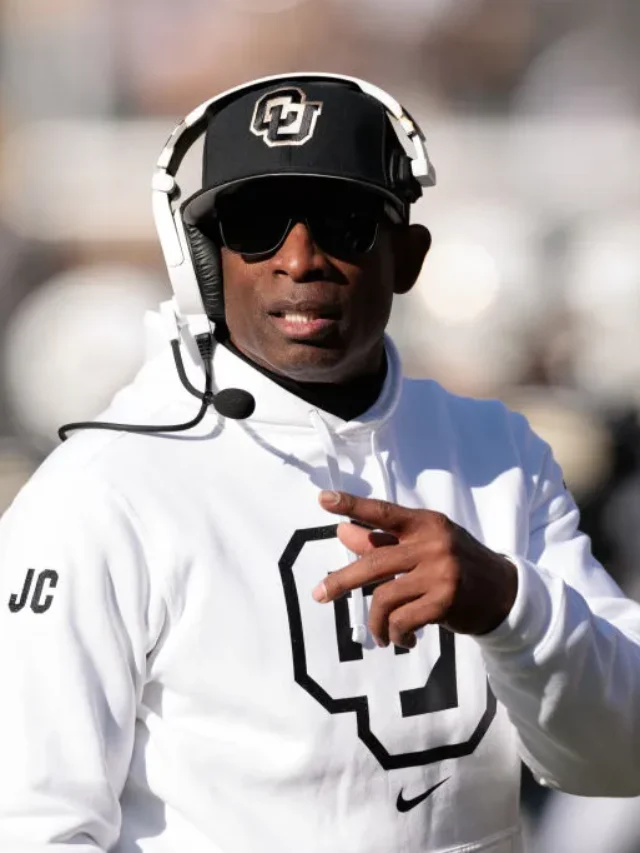
For Sanders, the moment offered an opportunity to acknowledge an artist who helped keep his legacy alive in a different cultural space.
After nearly 20 years, both sides finally got the conversation they never had.
Young Dro’s “Shoulder Lean” gave Deion Sanders another chapter in his cultural legacy, and Coach Prime has now returned the appreciation.
A forgotten shoutout from 2006 became a full-circle moment between Atlanta hip-hop and football royalty.
