



Michiel Vandeweert, the Belgian influencer who openly shared his experience living with the rare genetic disorder progeria, has died at the age of 28.
His death was announced this week by Flemish broadcaster VRT NWS, which published a statement from Boundbreakers, the production company behind the documentary series How to Be Alive, where Vandeweert previously appeared.
Diagnosed with progeria at a young age, Vandeweert became known for speaking openly about his experiences and sharing his perspective on life with an unusually large online audience.
His story also extended beyond social media and television. Vandeweert was a passionate supporter of Belgian soccer club KRC Genk, which has paid tribute to him following his death.
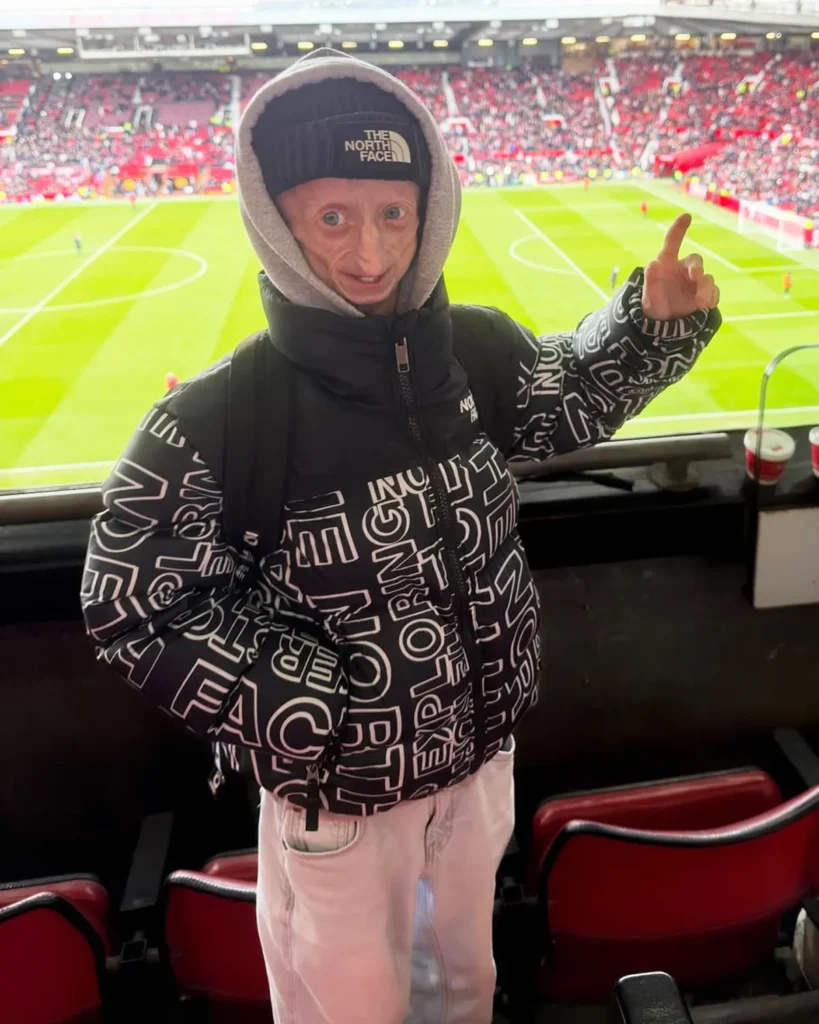
Vandeweert’s death was announced by VRT NWS through a statement from Boundbreakers, the production company that featured him in How to Be Alive.
The company remembered him as someone whose story made a lasting impact on the people who encountered it.
Boundbreakers also extended its condolences to Vandeweert’s parents, sister, family and friends following his death.
Vandeweert was diagnosed with progeria while he was young.

Progeria is a rare genetic disorder associated with accelerated aging, causing affected individuals to develop features of aging at an unusually rapid rate. The condition has historically been associated with a significantly shortened life expectancy, and there is currently no known cure.
Rather than allowing the condition to define his entire identity, Vandeweert used his public platform to share his experiences and outlook on life.

His story reached thousands of people through social media and documentary appearances, giving audiences an opportunity to hear directly from someone living with the rare condition.
One of the most important parts of Vandeweert’s life outside his advocacy was his connection to KRC Genk.
The Belgian soccer club paid tribute to him after his death, describing him as a positive and inspirational figure, a loyal supporter and someone who embraced life.
That relationship will reportedly become part of his final farewell.
Vandeweert’s funeral is scheduled to take place at KRC Genk’s stadium next week and is expected to be open to members of the public who want to pay their respects.
According to Erik Gerits, KRC Genk’s Head of Community, the ceremony will mark the first time the club has held a funeral directly on the field.

The setting is particularly meaningful given how closely Vandeweert identified with the club throughout his life.
Vandeweert became publicly known for sharing what it was like to live with progeria.
His diagnosis came at a young age, meaning his experiences with the rare condition shaped much of his life.

Progeria causes the body to age at an unusually accelerated rate and is extremely rare.
Vandeweert’s public presence gave people an opportunity to understand the condition through his own experiences rather than simply through medical descriptions.
His appearances in How to Be Alive further expanded the reach of his story.
Through documentary appearances and social media, he discussed his life and perspective while building a community of people who followed his journey.
Away from his advocacy, his passion for KRC Genk was another defining part of his public identity.

The club’s tribute reflects the relationship he built with the team and its supporters over the years.
His death at 28 comes after a life in which he became known not only for living with a rare condition but for the way he chose to share that experience with others.
Vandeweert’s story mattered because it gave audiences a personal perspective on a condition that very few people experience.
His willingness to speak publicly about progeria helped bring greater visibility to his life and experiences.
But his legacy extends beyond the diagnosis.

The tributes from Boundbreakers and KRC Genk focus on the person behind the condition—someone remembered as positive, inspirational and passionate about his football club.
The decision to hold his funeral at KRC Genk’s stadium further demonstrates how significant that connection was.
Rather than being remembered only for the medical condition he lived with, Vandeweert leaves behind a story shaped by his family, friends, supporters, media appearances and love of football.
Vandeweert spent much of his life knowing that his experience with progeria was unusual, yet he chose to share it openly.
Through social media and documentary appearances, he allowed thousands of people to see more than a diagnosis.
His connection with KRC Genk also gave him a community beyond the world of television and social media.
Now, that same community is preparing to gather at the stadium he supported to honor his life.
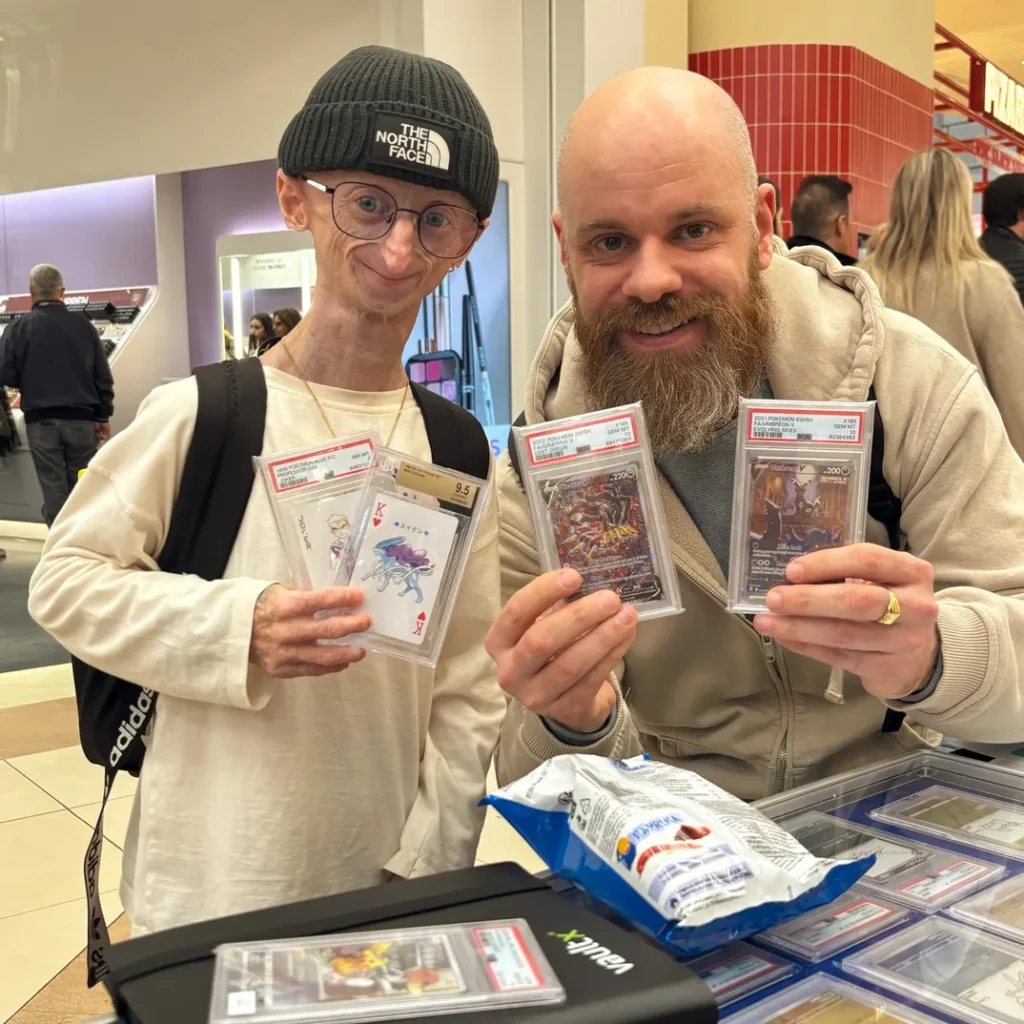
For his family, friends and the people who followed his journey, the upcoming farewell will be an opportunity to remember Michiel for the person he was and the impact he made.
Michiel Vandeweert died at 28 after spending his life openly sharing his experience with progeria and inspiring people through his story.
His beloved KRC Genk will now provide the setting for his final farewell, giving supporters one last chance to honor a man the club remembered as positive, loyal and inspirational.
